

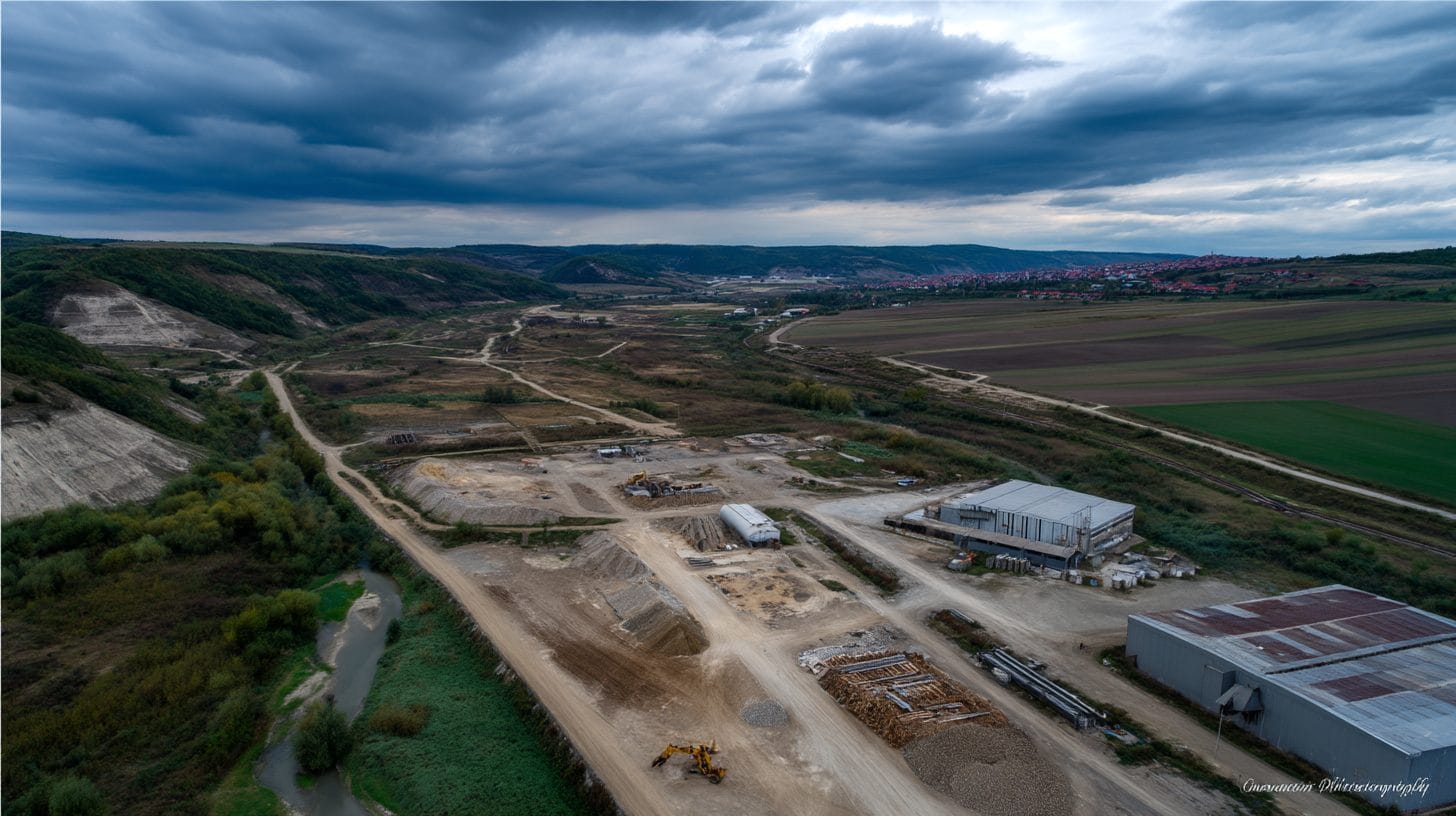
Using Comparative Market Analysis for Properties Near Bucharest
In the rapidly evolving real estate landscape of Romania, particularly in the vicinity of Bucharest, understanding property values and market trends is essential for buyers, sellers, and investors alike. One of the most effective tools for assessing the value of properties is Comparative Market Analysis (CMA). This article delves into the nuances of conduct a CMA, particularly focusing on properties near Bucharest, and how this process aids stakeholders in making informed decisions.
Understanding Comparative Market Analysis
Comparative Market Analysis is a systematic approach used to estimate the value of a property by comparing it with similar properties in the same geographical area. By examining various factors such as the characteristics of the properties, their selling prices, and current market conditions, stakeholders can arrive at a well-informed estimate of a property’s market value. The CMA process is integral to the buying and selling of real estate, especially in regions experiencing dynamic shifts in economic conditions like the areas surrounding Bucharest.
Why Focus on Properties Near Bucharest?
Bucharest, as the capital city of Romania, stands as a vital economic, cultural, and administrative hub. The real estate market in Bucharest itself is highly competitive, but surrounding areas are also witnessing significant development. Factors such as urbanization, infrastructure projects, and a growing population are driving developments in properties near Bucharest. As these suburban regions become increasingly attractive for residential and commercial purposes, conducting a CMA for properties in these locales becomes crucial for prospective buyers and sellers.
The Components of a Comparative Market Analysis
A thorough CMA typically involves the following key components:
1. Defining the Subject Property: The analysis begins with a detailed description of the property in question. Important features to consider include the property type (single-family home, apartment, commercial property, etc.), its size (square footage), the number of bedrooms and bathrooms, lot size, age, condition, and unique features (like a swimming pool or renovated interiors).
2. Identifying Comparable Properties: Once the subject property is defined, the next step involves locating similar properties, or “comparables,” that have recently sold or are currently on the market. Ideally, these comparables should be in close proximity to the subject property and possess similar characteristics. Properties that have sold within the last six months are typically the most relevant, as they provide a current perspective on market conditions.
3. Analyzing Recent Sales Data: Analyze the selling prices of the identified comparable properties. It is essential to consider not only the final sales prices but also the listing prices, the duration they remained on the market, and any price adjustments made during the listing period. This information provides insights into buyer behavior and seller strategies in the neighborhood.
4. Making Adjustments: No two properties are exactly alike. Therefore, adjustments might be necessary to account for differences between the subject property and the comparables. For instance, if the subject property has a larger lot size than a comparable, an upward adjustment in value may be warranted. Conversely, if the comparable has more bedrooms, a downward adjustment might be necessary.
5. Evaluating Market Trends: Understanding the broader economic and real estate trends affecting properties near Bucharest is vital. Analyzing the overall market conditions—such as economic growth, interest rates, and demographic shifts—adds context to the CMA findings. Keeping an eye on emerging neighborhoods in the outskirts of Bucharest, where property values might be rising due to new developments or improved infrastructure, can yield valuable insights.
Utilizing the CMA for Real Estate Decisions
The insights garnered from a Comparative Market Analysis are invaluable for various stakeholders in the real estate market. For sellers, a well-researched CMA can establish a competitive yet realistic listing price, enhancing the likelihood of a quick sale. On the other hand, buyers can utilize CMA data to negotiate effectively, ensuring that they do not overpay for a property. Furthermore, real estate investors can benefit from CMAs to identify undervalued properties or areas with strong rental demand, enabling them to optimize their investment portfolios.
Leveraging Technology in CMA
The advent of technology has transformed how CMAs are conducted, particularly with the integration of data analytics and online real estate platforms. Many platforms now provide users with tools to perform automated CMAs, aggregating vast amounts of data to provide quick analysis. Additionally, various mobile applications enable potential buyers and sellers to access real-time data, thereby facilitating more informed decisions.
Hire a Professional for Effective CMA
While homeowners could manually perform a Comparative Market Analysis using online tools and databases, enlisting the services of a licensed real estate agent may yield better results. Real estate agents bring experience and access to comprehensive market data, enabling a CMA that is both timely and accurate. Moreover, they can provide guidance on local market nuances, which are often missed in online analyses.
The Future of Properties Near Bucharest
As urban sprawl continues in and around Bucharest, the demand for properties in suburban areas is expected to rise. This trend not only presents opportunities but also necessitates a deeper understanding of property values through tools like Comparative Market Analysis. Investors eyeing these areas should be keen on the historical performance of property values, new developments, and trends in housing demand, all of which can significantly influence investment returns.
Conclusion
In the real estate market surrounding Bucharest, conducting a Comparative Market Analysis for properties is not merely a recommended practice but a cornerstone for informed decision-making. Whether buying, selling, or investing in property, understanding the value of real estate through a CMA provides critical insights, enabling stakeholders to navigate this vibrant marketplace effectively. By integrating local market knowledge, technology, and the expertise of real estate professionals, buyers and sellers alike can maximize their opportunities while minimizing risks. As the market shifts and evolves, those who leverage the power of CMA will be best positioned to succeed in the burgeoning real estate environment near Bucharest.
Interested in Land Investment in Romania?
We specialize in high-yield land and property opportunities for serious investors.
VIEW OUR CURRENT PORTFOLIOSecure your investment with Land For Investors.

Published: April 23, 2025