

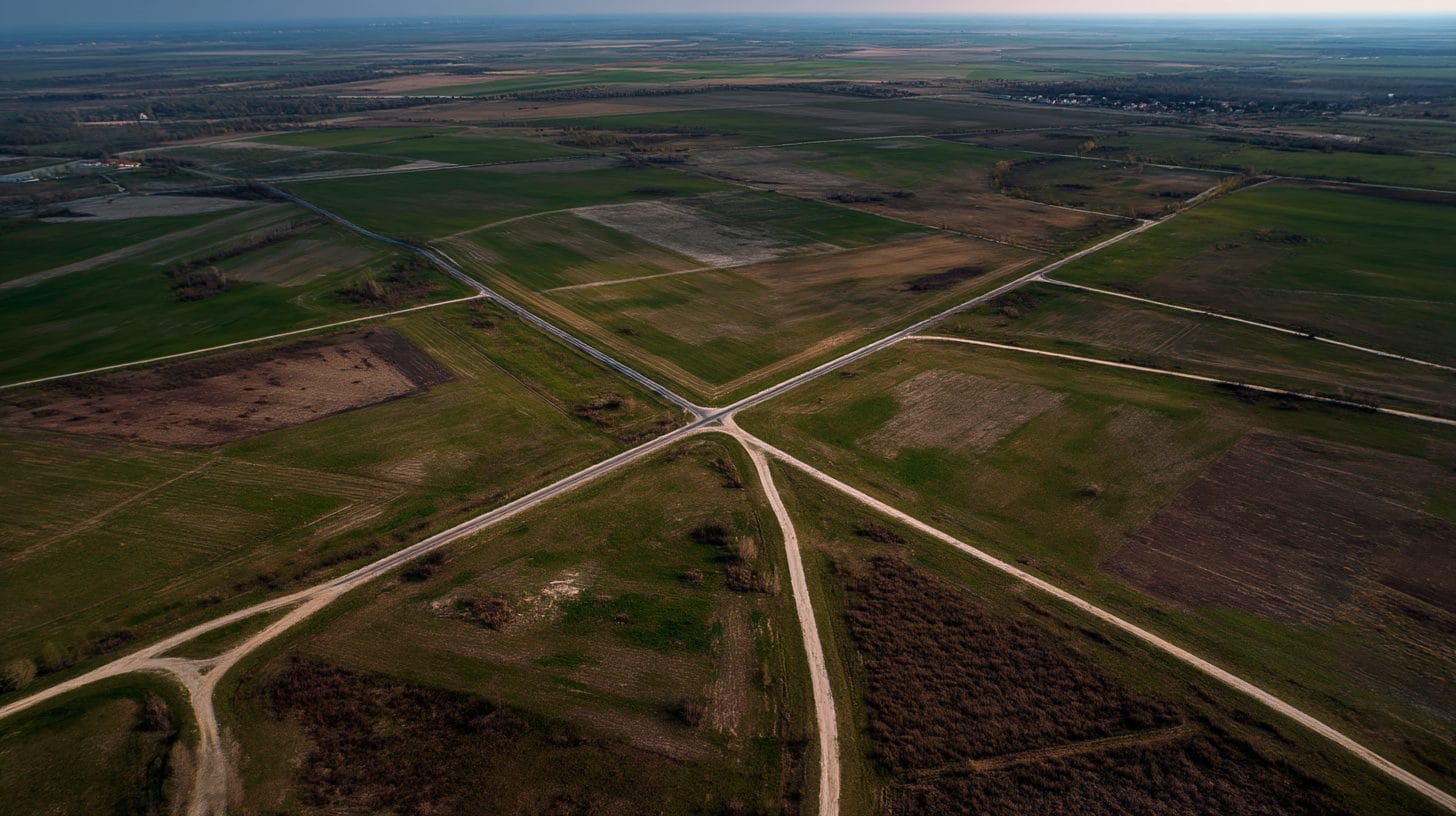
Understanding the Legal Process for Foreign Buyers in Romania
As Romania continues to emerge as an attractive destination for foreign investment and property acquisition, understanding the legal process for foreign buyers in Romania is essential for those looking to navigate this complex landscape. This article aims to provide comprehensive insights into the legalities involved in purchasing property in Romania, addressing common concerns and outlining key steps to ensure a smooth transaction.
The Importance of Legal Guidance
Before embarking on the journey of acquiring property in Romania, prospective foreign buyers should prioritize securing professional legal assistance. Engaging with a qualified lawyer who specializes in real estate transactions and has a deep understanding of local laws is crucial. This helps navigate potential hurdles and ensures compliance with all legal requirements, thereby protecting the buyer’s interests throughout the acquisition process.
Legal Framework Governing Property Acquisition
In Romania, property law is primarily governed by the Civil Code. Foreign buyers must be aware of the specific regulations that apply to non-resident individuals and entities. Foreign nationals are generally allowed to buy property in Romania, but certain restrictions may apply based on the type of property and the buyer’s country of origin.
Real estate transactions often involve commercial properties, residential properties, agricultural land, and forests, each with its own set of legal implications. For instance, non-EU citizens may only acquire property after first establishing a company in Romania, while EU citizens benefit from more favorable conditions and can purchase property directly.
Types of Properties
It is essential for foreign buyers to understand the different types of properties available in Romania and the implications of owning each type. Residential properties include apartments, houses, and villas, whereas commercial properties encompass offices, retail spaces, and industrial locations. Agricultural land comes with its own set of legal considerations, particularly if the buyer is not a Romanian citizen. Buyers must also consider potential zoning regulations and local land use policies before making a purchase.
The Buying Process
The legal process for foreign buyers in Romania involves several crucial steps, commencing with the identification of the desired property and conducting due diligence. Buyers must ensure they receive a clear legal title, verify the ownership rights of the seller, and confirm that there are no encumbrances, debts, or other claims against the property. This may involve obtaining property title certificates and other pertinent legal documents.
Once satisfactory due diligence is completed, the next step entails entering into a preliminary contract (also known as a promissory contract). This document outlines the terms and conditions of the sale and serves as a commitment by both parties to execute the final sale agreement. The preliminary contract often requires a deposit, typically representing a small percentage of the total purchase price. At this stage, foreign buyers should conduct a thorough check of the seller’s identity, ensuring they are legally authorized to sell the property.
Finalizing the Sale
The final sale agreement (contract de vânzare-cumpărare) must be executed before a notary public, who plays an essential role in ensuring the legitimacy of the transaction. The notary verifies the identities of both the buyer and seller, ensuring that all legal requirements are met. This includes conducting final checks on the property title and confirming that the payments have been made in accordance with the preliminary contract.
Once the sale agreement is notarized, buyers must register the property in their name with the local Land Registry. This process is critical, as it ensures the buyer’s ownership is officially recognized, and it protects against potential disputes or claims in the future. The registration procedure typically involves submitting the necessary documentation, including proof of payment, the notarized sale agreement, and other relevant paperwork.
Tax Considerations for Foreign Buyers
Foreign buyers in Romania must also consider various taxes related to property acquisition. The most significant tax is the transfer tax, which is typically between 2% and 3% of the property’s value. Additionally, buyers may be subject to notary fees and registration fees. It’s advisable to consult with a tax advisor to understand the full scope of tax implications, as this will vary based on individual circumstances and the nature of the property.
Post-Purchase Considerations
After successfully acquiring property in Romania, foreign buyers should be aware of ongoing obligations. Property ownership entails responsibilities such as local property taxes, maintenance obligations, and compliance with local regulations. Additionally, for those wishing to rent out their property, it’s essential to familiarize themselves with the rental market and legal framework governing tenancies in Romania.
Conclusion
Understanding the legal process for foreign buyers in Romania is critical for anyone interested in acquiring property in this vibrant country. With its unique blend of rich history and modern development, Romania presents numerous opportunities for foreign investors. However, navigating the legal landscape requires careful attention to detail and a commitment to due diligence.
By securing professional legal assistance, conducting comprehensive due diligence, and adhering to local regulations, foreign buyers can take confident steps toward successfully acquiring their desired properties in Romania. As the market continues to evolve, staying informed and seeking expert guidance will ultimately facilitate a rewarding and secure investment experience.
Interested in Land Investment in Romania?
We specialize in high-yield land and property opportunities for serious investors.
VIEW OUR CURRENT PORTFOLIOSecure your investment with Land For Investors.

Published: April 4, 2025