

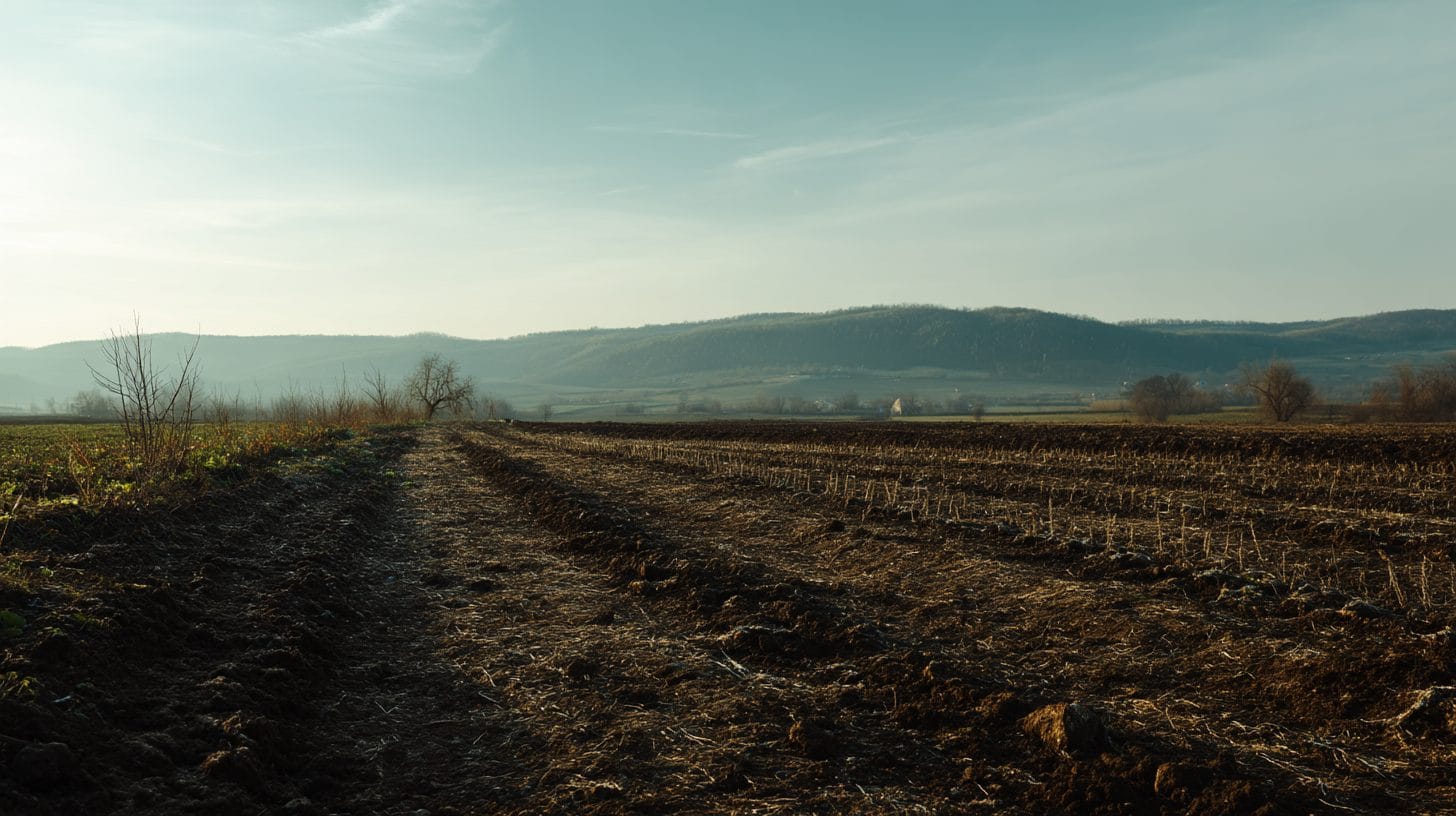
Title: Understanding the Impact of Environmental Regulations on Romanian Real Estate
The intersection of environmental regulations and real estate development is a crucial concern globally, including in Romania. The manner in which these regulations are enforced significantly influences investment decisions, property development, and overall market dynamics within the real estate sector. As Romania continues to navigate its growth in real estate, understanding the implications of environmental regulations becomes increasingly vital. This article aims to provide a comprehensive analysis of how environmental regulations impact real estate in Romania and the broader implications for investors, developers, and property owners.
Environmental regulations in Romania have evolved over the years, aiming to safeguard natural ecosystems while promoting sustainable urban development. As part of its commitment to European Union standards, Romania has integrated various environmental policies that necessitate compliance from the real estate sector. These regulations encompass everything from land use and building codes to sustainability mandates and environmental protection protocols.
One of the most significant areas where environmental regulations affect real estate in Romania is in the realm of new construction and development. Developers are now required to adhere to rigorous environmental assessments known as Environmental Impact Assessments (EIA). This process evaluates the potential effects of a proposed project on the surrounding environment, including biodiversity, water resources, and air quality. These regulations necessitate transparency, requiring developers to engage the local community and relevant authorities in discussions regarding the project’s environmental footprint.
The implementation of EIAs has led to a paradigm shift in how developers approach new projects. With the need to minimize environmental impact, many investors are increasingly incentivized to seek eco-friendly and sustainable building materials and practices. The result is a growing trend towards green real estate in Romania, where the focus lies not only on profitability but also on enhancing the sustainability of properties. Such investments often yield long-term benefits, improving property values and enhancing overall marketability.
Furthermore, the energy efficiency regulations in Romania, aligned with EU directives, have changed the specifications for building designs. Properties now have to comply with stringent energy performance standards, compelling builders to incorporate energy-efficient systems such as solar panels, advanced insulation, and smart energy management systems. As a result, environmentally friendly real estate developments contribute significantly to reducing carbon footprints while appealing to increasingly eco-conscious consumers.
Aside from new developments, existing real estate properties in Romania are also subject to environmental regulations that can affect their marketability and operational costs. Property owners must comply with various laws regarding waste management, contamination cleanup, and overall maintenance of the environment surrounding their properties. Non-compliance can lead to significant penalties and additional costs, leading to a re-evaluation of property values. As such, adherence to environmental regulations is not merely a legal obligation but a strategic approach that can enhance the longevity and profitability of real estate assets.
The repercussions of environmental regulations also extend to land acquisition and zoning regulations, which can directly impact the overall landscape of real estate in Romania. Local governments are now equipped with more authority to enforce comprehensive land-use plans that prioritize environmental preservation. This shift toward stricter zoning laws affects the availability and pricing of land, particularly in regions known for their natural beauty or biodiversity. Investors are now required to conduct thorough due diligence to understand how zoning laws may influence the potential for future developments.
Moreover, the integration of environmental regulations into the real estate sector has opened up new opportunities for innovation and financial incentives. The European Union has introduced several funding schemes and incentives to support the development of sustainable and eco-friendly real estate projects. This funding creates a conducive environment for developers willing to invest in compliant and forward-thinking properties.
Environmental regulations are also becoming a vital aspect of corporate social responsibility for real estate firms in Romania. As the consumer base becomes increasingly aware of ecological vulnerabilities and sustainability issues, companies are pressured to align their practices with environmental standards. Failure to do so could result in reputational damage, decreased consumer trust, and loss of business opportunities. By adhering to environmental regulations, real estate firms position themselves favorably in the market, appealing to a discerning clientele that prioritizes sustainable practices.
Interestingly, the real estate sector’s response to environmental regulations reflects broader societal trends in Romania. As citizens become more aware of climate change and its ramifications, community engagement regarding land use and environmental preservation has intensified. Citizens and local stakeholders are now more actively participating in discussions concerning new developments and environmental initiatives, ensuring that projects align with the community’s values and ecological needs.
A significant challenge that has emerged concerning environmental regulations in Romanian real estate is the complexity and sometimes ambiguity surrounding compliance requirements. The multifaceted nature of environmental laws can lead to confusion among developers and property owners, resulting in potential delays and increased costs. Investors increasingly seek expert advice and consultation services to navigate these regulations effectively, underscoring the need for a specialized consulting industry focusing on environmental compliance in real estate.
In conclusion, the influence of environmental regulations on real estate in Romania is profound and multifaceted. As these regulations evolve, they serve as both a constraint and an opportunity for developers and investors. Adherence to environmental policies has become synonymous with sustainable growth and profitability in the Romanian real estate sector. By recognizing the impact of these regulations and embracing sustainable practices, stakeholders can enhance their market positioning, meet consumer expectations, and contribute to the environmental stewardship necessary for future generations. As we move forward, understanding and adapting to the regulatory landscape will be paramount for success in Romania’s real estate market.
Interested in Land Investment in Romania?
We specialize in high-yield land and property opportunities for serious investors.
VIEW OUR CURRENT PORTFOLIOSecure your investment with Land For Investors.

Published: February 18, 2025