

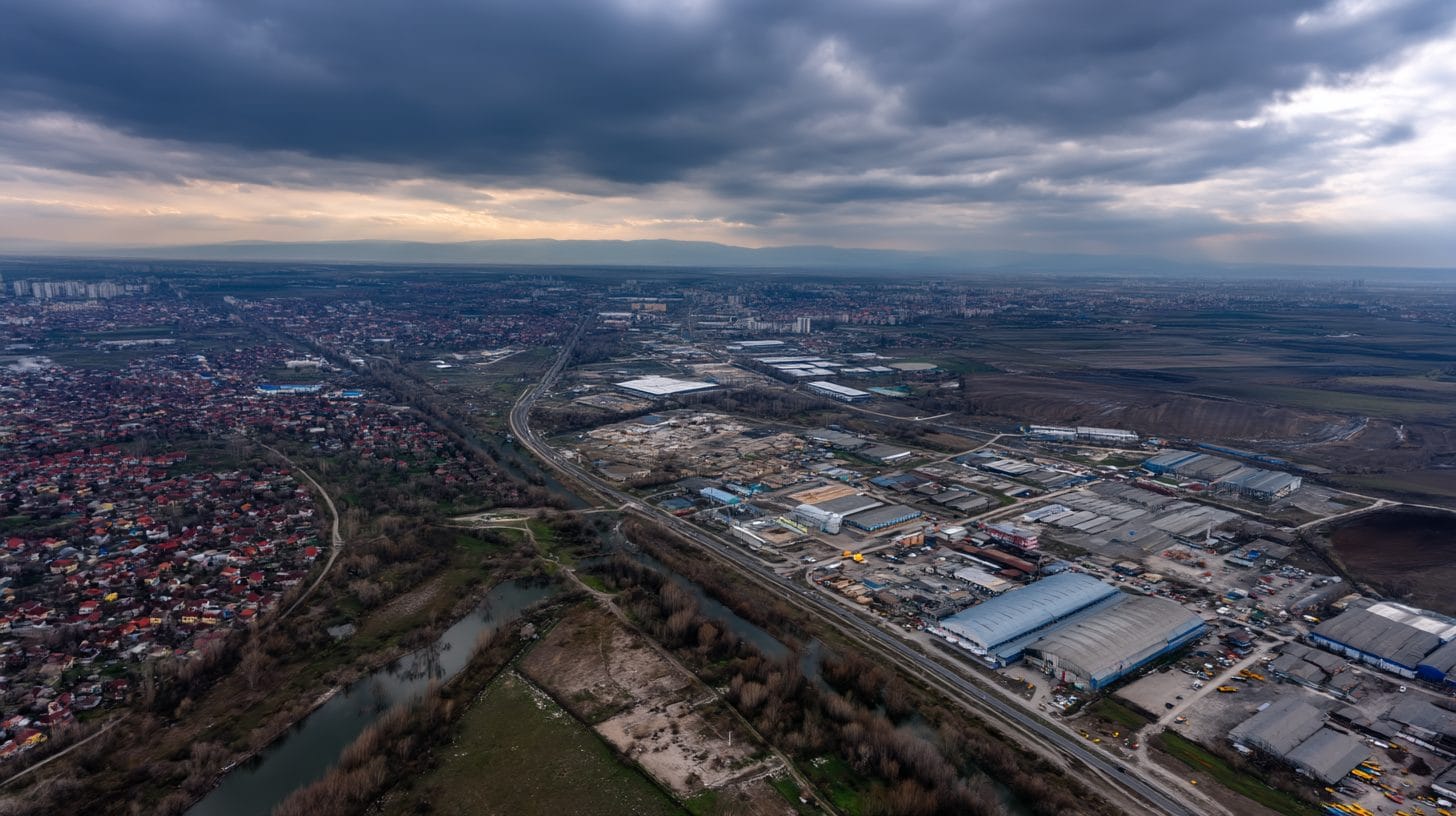
Understanding Romanian Property Laws for International Buyers
Romania, a country that boasts stunning natural landscapes, a rich cultural heritage, and an increasingly dynamic economy, has emerged as an attractive destination for international buyers considering real estate investment. However, for those looking to navigate the Romanian property market, understanding Romanian property laws is essential. This article aims to provide comprehensive insights into the legal frameworks governing property ownership in Romania, particularly from the perspective of international buyers.
The Regulatory Framework of Romanian Property Laws
Romanian property laws are influenced by a combination of civil law principles, European Union regulations, and local legislation. Since joining the EU in 2007, Romania’s property regulations have evolved, aligning more closely with broader European legal standards, thus enhancing the appeal for international investors. Key legislation includes the Civil Code, which outlines property rights and obligations, and various operational laws that govern the purchase, leasing, and management of real estate.
Foreign Ownership of Property in Romania
One of the most pertinent aspects of Romanian property laws for international buyers is the regulation concerning foreign ownership. While EU citizens enjoy significant benefits, including the right to buy property without restrictions, non-EU buyers face a slightly more complex set of regulations.
Under Romanian law, non-EU citizens cannot directly own land but may acquire property through certain conditions. For example, foreign individuals may purchase buildings or apartments, provided that the land on which they stand is leased under a long-term contract. Alternatively, many non-EU buyers opt to establish a Romanian company, which can purchase land and property directly. This approach not only allows for real estate ownership but can also serve as a beneficial strategy for managing investments within the country.
Types of Property Ownership
International buyers must familiarize themselves with different types of property ownership outlined in Romanian property laws. The most common ownership types include:
1. Freehold Ownership: This grants the owner complete control over the property, including the right to sell, lease, or transfer ownership.
2. Leasehold Ownership: This typically involves a long-term lease agreement where the buyer does not own the land but has rights to the property for a specified duration.
3. Condominium Ownership: This refers to the ownership of individual units within a larger building, with shared ownership of common areas. This type of ownership is increasingly popular among international buyers, especially in urban areas.
4. Shared Ownership: This type allows multiple buyers to share ownership of a property, typically for investment or rental purposes.
Legal Considerations for Purchasing Property
International buyers interested in investing in Romanian real estate must provide essential documentation when purchasing property. Proper identification, such as a passport or national ID, alongside proof of funds, is generally required. Additionally, securing a Romanian tax identification number (CIF) is a crucial step for non-residents aiming to invest.
It is also prudent to engage legal representation proficient in Romanian property laws. Legal counsel can assist not only in understanding regulatory requirements but also in ensuring contracts are legally sound and protecting the buyer’s interests throughout the transaction process.
The Role of Notaries and Registration
In Romania, property transactions typically require the involvement of a notary, a licensed legal professional responsible for verifying contracts and authenticating signatures. Contracts must be formalized in the presence of a notary, which provides an additional layer of security for both buyers and sellers.
After the transaction, the property must be registered with the Land Registry. Registration ensures public acknowledgment of ownership rights and facilitates enforcement of those rights. International buyers should understand the importance of completing this step and should ensure that thorough checks are performed regarding the property’s encoding and any pre-existing encumbrances.
Due Diligence Before Purchasing
Conducting thorough due diligence is a vital step for international buyers seeking to invest in Romanian properties. This includes ensuring that the property has a clear title, is free from disputes, and is compliant with local zoning and building regulations. Buyers should seek to gather comprehensive property reports, which may involve verifying ownership history and scrutinizing any restrictions or pending litigation related to the property.
Engaging with local authorities or relevant governmental agencies can also provide insight into specific regulations that may apply, including any changes that may affect property ownership or investment opportunities.
Tax Implications for International Buyers
Understanding tax implications is a crucial component of Romanian property laws that international buyers must consider. Property ownership in Romania entails specific taxes, including:
1. Property Transfer Tax: Charged at a rate of 3% of the transaction value, applicable when purchasing residential properties.
2. Annual Property Tax: This is calculated based on the property’s taxable value and varies depending on the municipality.
3. Capital Gains Tax: Investors must be aware of the implications of selling property in Romania, with capital gains generally taxed at 16%.
Navigating through potential tax obligations is essential, and consulting with a tax advisor is highly recommended to maximize investment returns while remaining compliant with Romanian regulations.
Conclusion
Romanian property laws present a multifaceted landscape for international buyers, filled with opportunities and challenges. By understanding the legal framework and navigating the ownership process correctly, international investors can successfully enter the Romanian property market. Whether through freehold ownership, establishing a company, or engaging the appropriate legal counsel, the potential benefits of investing in Romania’s evolving real estate sector can be substantial. With robust due diligence, an awareness of tax responsibilities, and a willingness to adapt to local regulations, international buyers can position themselves for success in Romania’s vibrant property market. As the country continues to develop, now is the time for interested investors to consider this hidden gem in Eastern Europe.
Interested in Land Investment in Romania?
We specialize in high-yield land and property opportunities for serious investors.
VIEW OUR CURRENT PORTFOLIOSecure your investment with Land For Investors.

Published: March 24, 2025