

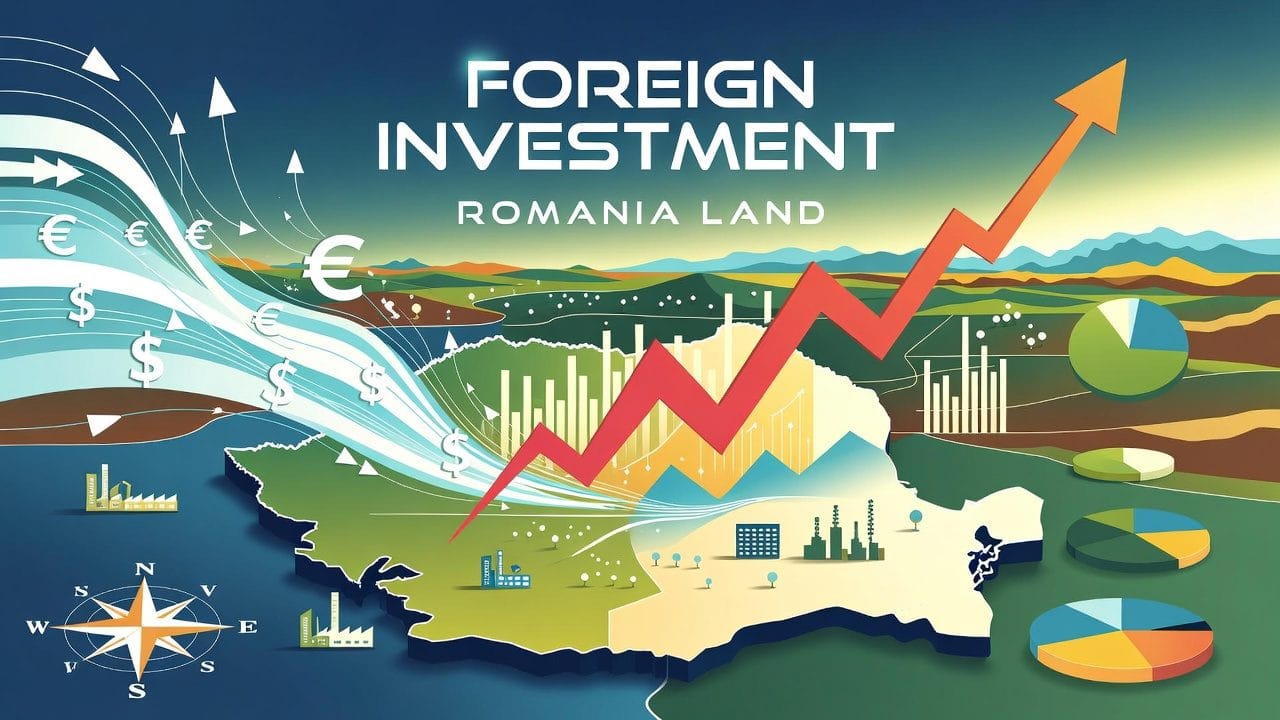
Investing in land and real estate in Romania presents a unique opportunity for international investors seeking to diversify their portfolios in a burgeoning European market. Romania, with its strategic location in Eastern Europe, rich cultural heritage, and promising economic growth, offers various avenues for investment, particularly in land development and residential and commercial properties. With a growing population and increasing urbanization, the demand for both residential and commercial real estate is on the rise, making it an attractive option for foreign investors.
One of the primary advantages of investing in Romanian land and real estate is the country’s cost-effective prices compared to other European nations. The relatively low entry costs for land acquisition and property purchase create a fertile ground for investment. Major cities such as Bucharest, Cluj-Napoca, and Timisoara have seen significant investment influxes, driving up property values and rental yields, making now an opportune time for foreign investors to enter the market.
Understanding the legal framework governing land and real estate transactions in Romania is crucial. Foreign investors must navigate specific regulations that dictate ownership rights and land acquisition processes. While EU citizens benefit from relatively straightforward regulations, non-EU nationals typically need to establish a Romanian company to purchase land. However, once established, these entities can access valuable opportunities in various sectors, from residential developments to agricultural land sales.
Another point of significance lies in the ongoing urban development and infrastructure projects across Romania. Investments in transportation, energy, and public service sectors are set to boost the real estate market further. With government initiatives aimed at improving transportation links and enhancing urban facilities, the cities are evolving rapidly, creating a desirable climate for real estate investments. Proximity to industrial zones, business parks, and educational institutions also contributes to the appeal of specific areas, particularly for residential and student housing development.
A notable trend in Romanian real estate is the surge in demand for eco-friendly and sustainable building practices. As the global conversation around sustainability grows, foreign investors can capitalize on this trend by targeting developments that emphasize energy efficiency and low environmental impact. Incorporating green technologies into construction not only resonates with the evolving consumer preferences but also cultivates a competitive edge in the marketplace.
Investing in agricultural land also presents a compelling opportunity within Romania’s diverse investment landscape. The nation boasts fertile soil and optimal climatic conditions for various crops, making it one of Europe’s agricultural powerhouses. With rising global food demands, foreign investors can strategically acquire agricultural land for crop production, thus diversifying their portfolios while contributing to food security.
Investors should also consider the residential rental market as a key segment within Romania’s real estate landscape. Major urban centers are experiencing a demographic shift with young professionals and students migrating for employment and education. This population growth drives demand for rental properties, particularly multifamily units. Furthermore, a growing trend toward co-living spaces reflects changing lifestyle preferences, presenting opportunities for investors to tap into innovative housing solutions.
Foreign investors need to perform thorough due diligence before committing to land and property purchases in Romania. Engaging with local real estate agents, legal advisors, and market analysts can provide valuable insights into current market conditions and best practices for investment strategies. Additionally, understanding regional variations in market dynamics is critical; while larger cities may offer higher potential returns, secondary cities and rural areas might present less competition and lower entry costs.
Economic forecasts suggest that Romania will continue to enjoy robust economic growth, supported by strong domestic demand and an improving business environment. As the economy expands, the real estate market is expected to benefit from increased consumer spending, attracting further investments. Additionally, Romania’s membership in the European Union helps assure investors of stability and regulatory support, further bolstering confidence in long-term investments.
The potential for high returns is tempting, but investors must also remain cognizant of the inherent risks involved in land and real estate investments. Fluctuating market conditions, regulatory changes, and economic factors can influence property values and rental yields. As such, a well-researched, calculated approach emphasizing risk mitigation strategies will aid in achieving favorable outcomes.
In conclusion, the Romanian land and real estate market is ripe with opportunities for foreign investors looking to capitalize on a growing economy backed by strategic urban development and favorable demographic trends. By understanding the legalities, engaging with local expertise, and tapping into evolving market dynamics, investors can position themselves for success. As Romania continues to develop and attract both local and foreign investments, the prospects for lucrative returns in land and real estate are promising. Making informed and strategic decisions can pave the way for a successful investment journey in this vibrant European market.
Interested in Land Investment in Romania?
We specialize in high-yield land and property opportunities for serious investors.
VIEW OUR CURRENT PORTFOLIOSecure your investment with Land For Investors.

Published: January 25, 2026