

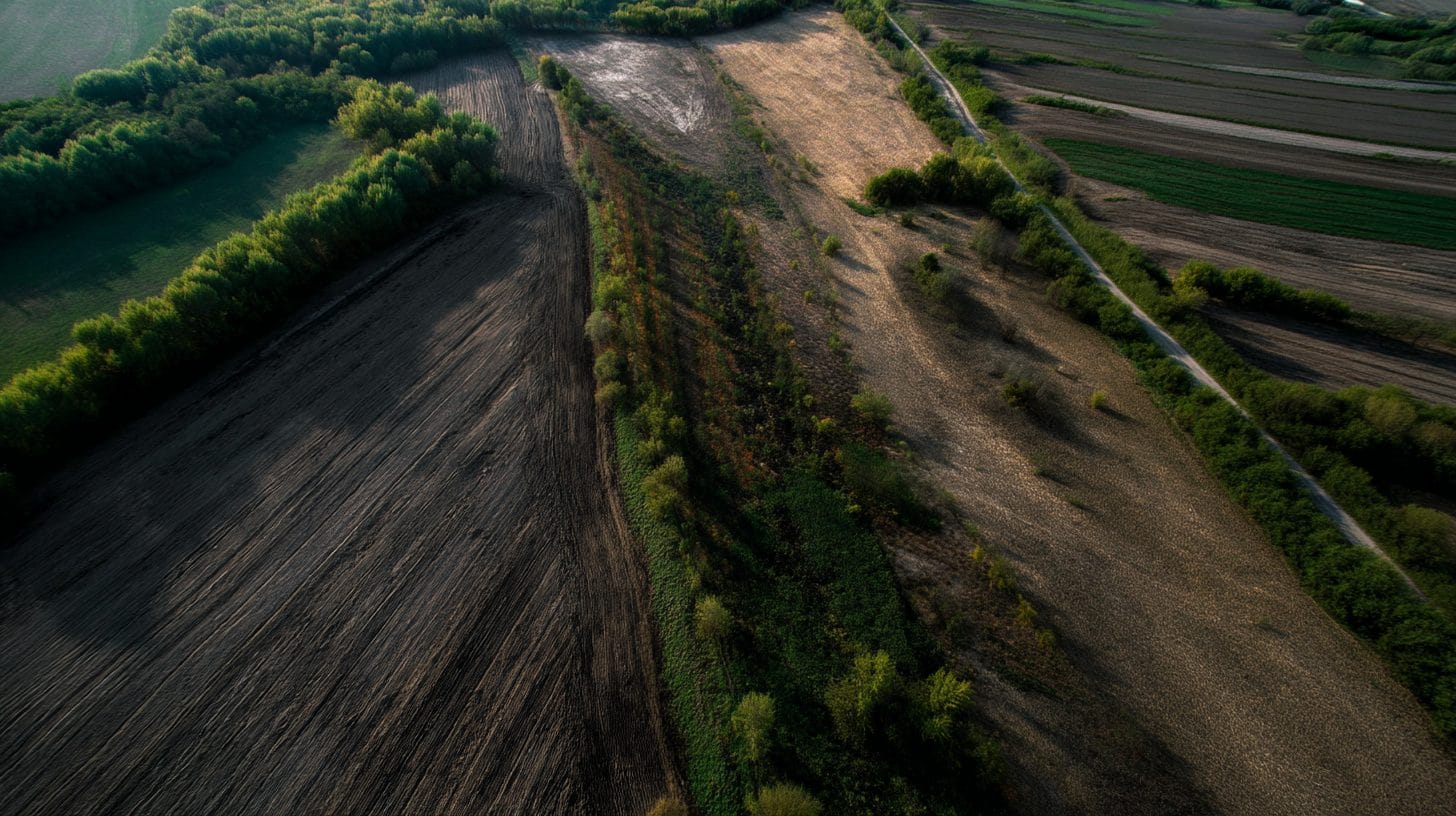
Tips for Using Data Analytics to Identify Land Opportunities Near Bucharest
As the capital and largest city of Romania, Bucharest serves as an economic and cultural hub in Eastern Europe. Its strategic location, sometimes dubbed as the “Little Paris,” paired with rapid urban development, has contributed to an increasing demand for land in the surrounding areas. To capitalize on land opportunities near Bucharest, leveraging data analytics is becoming indispensable for both investors and developers. This article aims to guide you through effective strategies for using data analytics to identify land opportunities near Bucharest.
Understanding the Role of Data Analytics
Data analytics involves the systematic computational analysis of data sets to extract insights and facilitate decision-making. When applied to real estate, especially in identifying land opportunities, data analytics can unveil trends, demand patterns, investment risks, and even emerging neighborhoods. In the context of Bucharest, employing data analytics can provide micro-level insights into local markets, helping investors uncover untapped potential.
Analyzing Market Trends
To effectively identify land opportunities near Bucharest, the first step is to gather data regarding market trends. This can include current land prices, historical price fluctuations, and future projections. By analyzing this data, one can identify areas with consistent growth or emerging territories that may have been previously overlooked. Data-driven insights can often reveal hidden gems in less populated suburban areas that may offer significant financial returns.
Geospatial Analysis
GIS (Geographic Information Systems) technology is crucial for spatial data gathering and analysis. By mapping out infrastructural developments such as roads, schools, hospitals, and commercial centers, investors can identify land parcels that would likely appreciate in value due to surrounding development. Proximity to major roadways or public transport stations can significantly contribute to land appreciation, making geospatial analysis a critical component in identifying potential land opportunities near Bucharest.
Identifying Demographics
Understanding demographic data is key to predicting future land demand. Important demographic indicators can include population growth, age distribution, income levels, and employment rates. By using data analytics to assess these variables, investors can pinpoint regions expecting population booms or reurbanization trends that could increase land values. For example, areas with increasing numbers of young professionals may warrant the development of residential units, making nearby land highly desirable.
Utilizing Online Real Estate Platforms
Numerous online real estate platforms aggregate data about available land parcels. Tools like Zillow, Realtor.com, or local platforms can provide comprehensive data on land prices, historical listings, and time on market. These platforms often feature analytical tools such as heat maps showing price fluctuations, which help in making comparisons across different areas around Bucharest. Regularly consulting these platforms for insights will significantly enhance your understanding of market dynamics.
Conducting Competitive Analysis
Understanding who your competitors are and what strategies they are employing can enhance your land investment strategy. Tools that provide insights into competitors’ acquisitions, property developments, and pricing strategies can help identify gaps or opportunities in the market. For instance, if several developers are eyeing a specific area, it can be inferred that demand will increase, presenting a worthwhile investment opportunity.
Leveraging Technological Innovations
Technological tools such as machine learning algorithms can provide predictive analytics regarding land values. By feeding historical data into algorithms, one can forecast future trends or simulate different market scenarios. These advanced tools can take into account a broader array of variables and external influences, offering richer insights than traditional analytical methods alone.
Collaboration with Local Authorities
Data analytics becomes even more powerful when supplemented with qualitative insights gathered from local authorities. Engaging with municipalities can provide information concerning future infrastructure projects, zoning regulations, and urban planning. Access to this data can greatly enhance your decision-making process and help you anticipate upcoming land opportunities near Bucharest.
Monitoring Government Policies and Economic Factors
Policies at both local and national levels can greatly impact land opportunities. Keeping abreast of economic indicators, tax incentives, or zoning laws may provide surprising insights into favorable investment conditions. Data analytics can help track these changes over time, identifying correlations between policy shifts and land valuation trends. Investors should maintain ongoing analysis to stay ahead of the curve.
Evaluating Environmental Data
Land investment decisions should also factor in environmental conditions. Data concerning flood zones, pollution levels, and proximity to natural hazards can inform your investment choice. By using environmental data in conjunction with market analytics, investors can identify land opportunities that not only offer high returns but are also sustainable in the long term.
Engagement with Stakeholders
Building relationships with various stakeholders involved in the land development process can enhance your understanding of real estate dynamics. Engaging with real estate agents, land surveyors, and local residents helps gather valuable insight that raw data may not reveal. Stakeholder interviews and surveys can complement analytical findings, providing a more comprehensive view of market opportunities.
Conclusion
Utilizing data analytics to identify land opportunities near Bucharest is not merely a trend; it is becoming an essential practice for investors who wish to thrive in this evolving market. By understanding market trends, employing geospatial analysis, examining demographics, leveraging technology, collaborating with local authorities, and monitoring economic indicators, investors can position themselves advantageously. As the demand for land grows around Bucharest, those equipped with data-driven insights will invariably find themselves ahead of the curve, uncovering profitable opportunities in a developing landscape. Remember, the strategic use of data analytics is not just about understanding what the market looks like today but anticipating what it will resemble in the years to come. For those determined to maximize their land investments, the intersection of data analytics and real estate offers a promising avenue for sustainable growth and prosperity.
Interested in Land Investment in Romania?
We specialize in high-yield land and property opportunities for serious investors.
VIEW OUR CURRENT PORTFOLIOSecure your investment with Land For Investors.

Published: March 16, 2025