

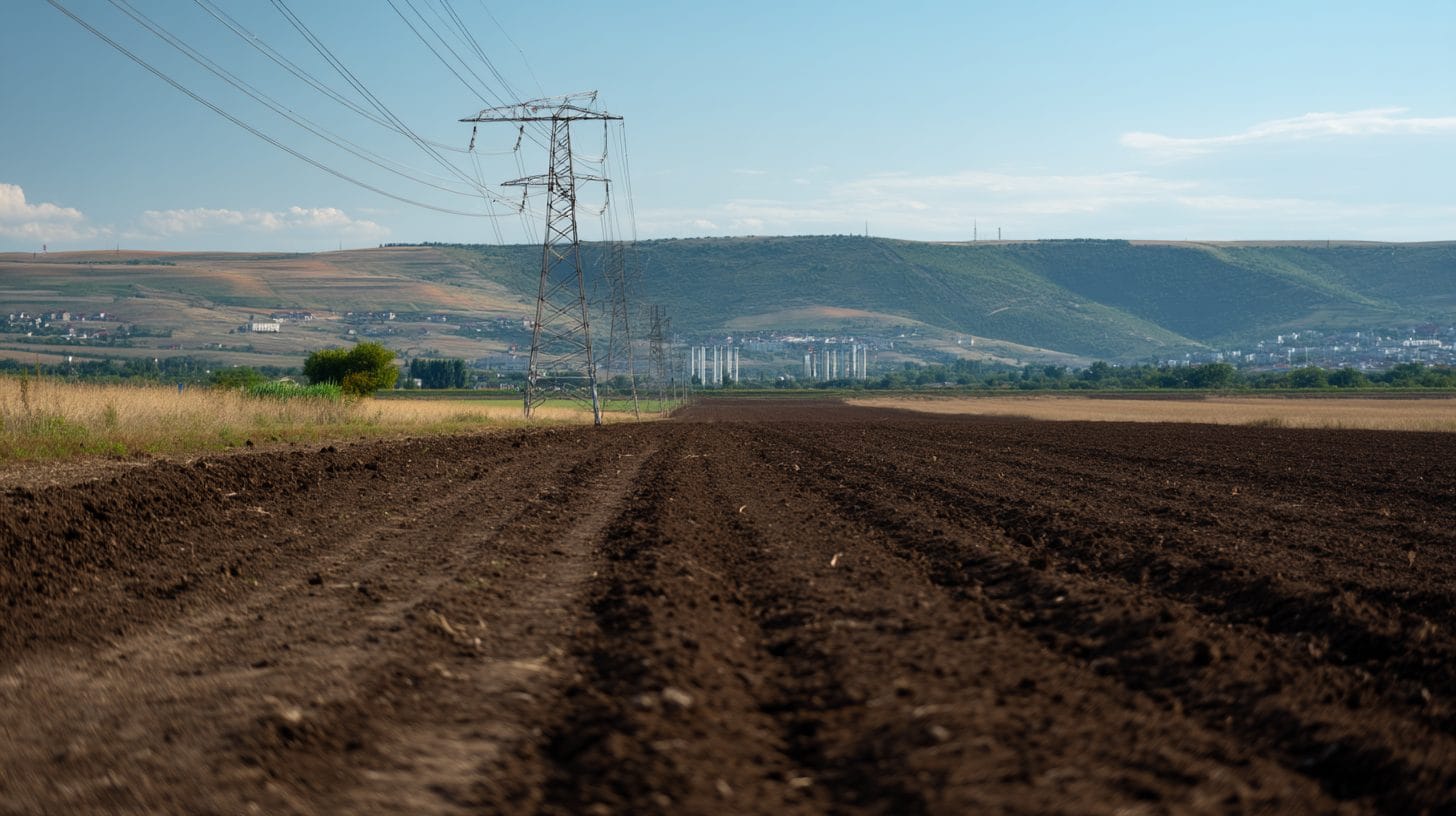
Tips for Understanding Romanian Economic Indicators for Real Estate Investment
Understanding the intricate facets of any foreign market is vital for making informed investment decisions. When considering Romanian real estate, it is essential to keep a close watch on various economic indicators that can serve as crucial signals influencing the performance of properties and investment opportunities in the region. This article aims to present a comprehensive overview of the key Romanian economic indicators affecting real estate investment. Investors interested in Romanian economic indicators real estate foreign will find this guide invaluable as they navigate the complexities of the Romanian market.
Romania is an emerging economy within Europe that boasts a unique combination of growth potential, geographical advantages, and a youthful population. Such characteristics have made Romania an interesting proposition for international investors, particularly in the realm of real estate. However, the understanding of Romanian economic indicators is foundational for making sound investment choices.
The first step in understanding Romanian economic indicators related to real estate is to familiarize yourself with the economic environment of Romania. This includes grasping the basic indicators of economic health which directly affect the real estate sector. Among these indicators, Gross Domestic Product (GDP) growth rate is paramount. It represents the annual rate at which a country’s economy is growing or shrinking. An acceleration in GDP growth could imply a rise in demand for real estate as consumer spending increases and businesses expand.
In addition to GDP, the unemployment rate serves as a valuable indicator revealing the labor market’s stability. A declining unemployment rate generally leads to higher purchasing power for individuals and a corresponding demand for residential properties. Conversely, in periods of high unemployment, potential buyers may struggle to obtain financing or be less inclined to make significant purchases.
Another essential economic indicator for understanding real estate in Romania is the interest rate environment. The National Bank of Romania (NBR) controls the reference interest rates, which directly influence mortgage rates. Lower borrowing costs generally result in increased availability of credit and higher demand for real estate. Therefore, keeping an eye on NBR’s monetary policy can provide prospective investors with critical insights into when to enter the market.
Inflation rates are also worth monitoring. High inflation can erode purchasing power, affecting consumers’ ability to invest in real estate. On the other hand, moderate inflation may signify a thriving economy and can result in enhanced property values over time. In a foreign market like Romania, it is wise to study how inflation compares with neighboring countries in the region, as this might impact how appealing Romania is for foreign investments.
In addition to macroeconomic indicators, it is crucial to analyze the specific segments of the real estate market. This includes observing rental yields and property prices. Rental yields provide insights into the return on investment (ROI) that investors can expect in the Romanian market. Investigating various regions within Romania can uncover areas with higher rental yields, which could be attractive to foreign investors. Emerging cities such as Cluj-Napoca, Timișoara, and Iași may offer lucrative opportunities, while Bucharest, Romania’s capital, often exhibits pronounced price trends and demand fluctuations.
Foreign investment regulations also play a significant role in the Romanian real estate landscape. Understanding any restrictions on property purchase by foreign nationals, tax implications, and the country’s overall investment climate is crucial for foreign investors. Engaging with local real estate professionals and legal advisors can demystify many of these rules, making it easier to navigate the market.
The demographic trends in Romania further enrich the tapestry of economic indicators that affect real estate investments. A steady rise in urbanization, coupled with a youthful population, can lead to increased demand for housing in urban centers. From an investment perspective, it is essential to grasp how demographic shifts influence the types of properties in demand—be it residential, commercial, or mixed-use developments.
Analyzing consumer sentiment through surveys and indices related to housing confidence can also provide the prospective investor with vital information regarding future market trends. Real estate is a dynamic market that is greatly influenced by consumer behavior. Positive consumer sentiment regarding local economic conditions can lead to an uptick in real estate activity as people are more willing to buy property when they feel optimistic about their financial future.
Lastly, it is prudent to consult analytical reports and forecasts issued by reputable organizations or industry experts focusing on the Romanian real estate market. These reports can provide valuable insights into future trends—everything from predicted market shifts to expected changes in government policies that can impact the landscape for foreign investments in real estate.
In conclusion, understanding Romanian economic indicators as they pertain to real estate investment is vital for foreign investors. Macroeconomic factors such as GDP growth rates, unemployment rates, interest rates, and inflation are all cornerstones that influence the real estate market’s performance. Additionally, keeping an eye on rental yields, local market trends, consumer sentiment, and demographic shifts can provide an intricate understanding of market dynamics.
As the Romanian real estate landscape continues to evolve, investors who effectively interpret and respond to these economic indicators will be better positioned to make informed, lucrative investment decisions in this vibrant market. With its rich cultural backdrop, favorable economic trends, and emerging investment opportunities, Romania stands out as a promising destination for foreign real estate investment. By applying the tips outlined in this article, investors can gain a better footing and successfully navigate the Romanian property market.
Interested in Land Investment in Romania?
We specialize in high-yield land and property opportunities for serious investors.
VIEW OUR CURRENT PORTFOLIOSecure your investment with Land For Investors.

Published: March 28, 2025