

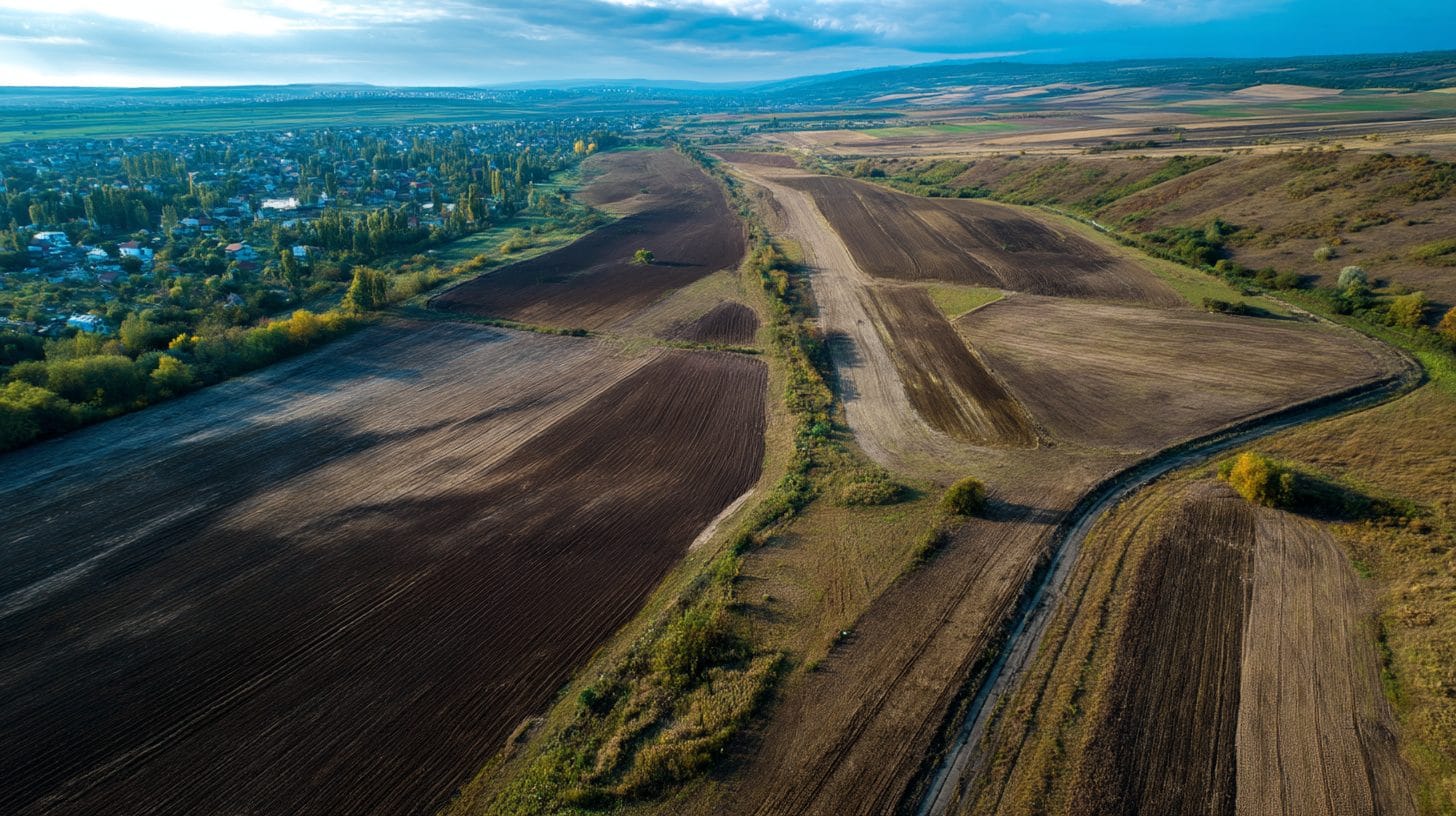
Tips for Successfully Evaluating Land for Residential Projects Near Bucharest
When considering real estate investments, particularly in an evolving urban landscape like Bucharest, the importance of thorough land evaluation cannot be overstated. If you are looking to engage in residential projects in the Bucharest area, understanding how to evaluate land effectively is crucial to ensuring a successful venture. In this article, we will explore key factors and considerations that can serve as a reliable framework for evaluating land for residential projects in and around Bucharest.
Understanding Location Dynamics
The first and foremost aspect of evaluating land for residential projects in Bucharest is the location. The Romanian capital boasts a mix of historic neighborhoods, contemporary developments, and suburban expanses, each with distinct characteristics and market demands. When evaluating land, consider proximity to essential amenities like schools, hospitals, shopping centers, and transportation options such as metro stations and bus routes. Potential buyers often prioritize convenience, making location a determining factor for marketability and property value.
Additionally, analyzing the overall neighborhood dynamics can provide insights into the desirability of the area. Researching current trends in demographics, socio-economic profiles, and future urban development plans is essential. Merging qualitative observations with quantitative data helps you make informed decisions about the viability of your residential project near Bucharest.
Zoning Regulations and Land Use Compatibility
Before moving forward with any investments, familiarize yourself with the zoning regulations that govern land use in Bucharest. Local authorities stipulate specific guidelines for residential projects, including zoning classifications that dictate what can be built on a parcel of land. Understanding these regulations is integral to ensuring compliance and avoiding potential legal disputes in the future.
In Bucharest, land may be designated for various purposes, including residential, commercial, and mixed-use developments. Evaluating existing zoning laws and future urban planning initiatives allows you to determine whether your intended residential project aligns with permissible land uses.
Feasibility Studies
Once you have identified promising land, conducting a feasibility study is a vital step in the evaluation process. This includes analyzing economic aspects such as the cost of land acquisition, projected construction costs, and potential return on investment. A comprehensive feasibility study accounts for various scenarios and assesses how economic indicators may impact your project’s success.
Evaluating the demand for new residential properties in the area is critical to the feasibility study. Reviewing recent sales trends, rental prices, and vacancy rates can clarify market demand, allowing you to assess whether your project will meet community needs and generate profit.
Environmental Considerations
As urbanization continues to expand in Bucharest, evaluating the environmental context of potential land parcels is increasingly important. Assess whether the land is susceptible to flooding, landslides, or other natural hazards. Conducting an environmental impact assessment can provide insights into potential risks and liabilities associated with the development of residential projects.
Furthermore, take into consideration the sustainability of your project. Including eco-friendly building practices and green spaces in your residential development plan may not only enhance property appeal but can also contribute positively to the local environment. Many potential buyers are now more environmentally conscious, making sustainability a selling point.
Infrastructure and Utilities
Adequate infrastructure is essential for any successful residential project. When evaluating land in Bucharest, ensure that essential utilities such as water, electricity, sewage systems, and internet connectivity are readily available or can be easily connected. Investigating the capacity of existing infrastructure to support your proposed development will also help you assess costs and any possible delays in project timelines.
Transportation infrastructure is another key consideration. Evaluate the accessibility of major roads, public transport options, and highways from the potential site. A well-connected location will attract more buyers and consequently will improve the long-term value of your residential project.
Community Development Plans
Engaging with local community development plans can provide vital information on what the future holds for your selected land area. Many municipalities in and around Bucharest are involved in long-term planning for growth and development, which includes infrastructure projects, zoning changes, and public spaces. Understanding how your residential project fits into the broader urban development strategy can help you avoid misalignment with community goals and achieve regulatory approvals more smoothly.
Consulting with local stakeholders, including city planners, local government officials, and neighborhood associations, can yield valuable insights regarding existing plans and future developments that could impact your residential project.
Professional Assessments
Evaluating land effectively is not solely dependent on individual research and analysis. Obtaining professional assessments, including land surveys, environmental reports, and market studies, can further strengthen your evaluation process. Collaborating with architects and experienced developers in the Bucharest region can offer an insider perspective on logistics, design feasibility, and local building codes.
Additionally, engaging with real estate agents who have specific focus areas in Bucharest can provide insights into market trends and potential investment opportunities. Their expertise will help enrich your understanding of the local landscape and maximize the potential success of your residential project.
Conclusion
Evaluating land for residential projects near Bucharest is a multifaceted and intricate process that requires careful consideration of multiple factors. By thoroughly assessing location dynamics, zoning regulations, feasibility studies, environmental factors, infrastructure, and community development, you can position your project for success. Additionally, seeking out professional advice and insights will enhance your understanding and improve your decision-making process throughout the evaluation journey. Regardless of the project’s size or scope, a well-informed evaluation will pave the way for building effective and sustainable residential communities in Bucharest, satisfying the growing demand for quality housing in the area.
Interested in Land Investment in Romania?
We specialize in high-yield land and property opportunities for serious investors.
VIEW OUR CURRENT PORTFOLIOSecure your investment with Land For Investors.

Published: March 15, 2025