

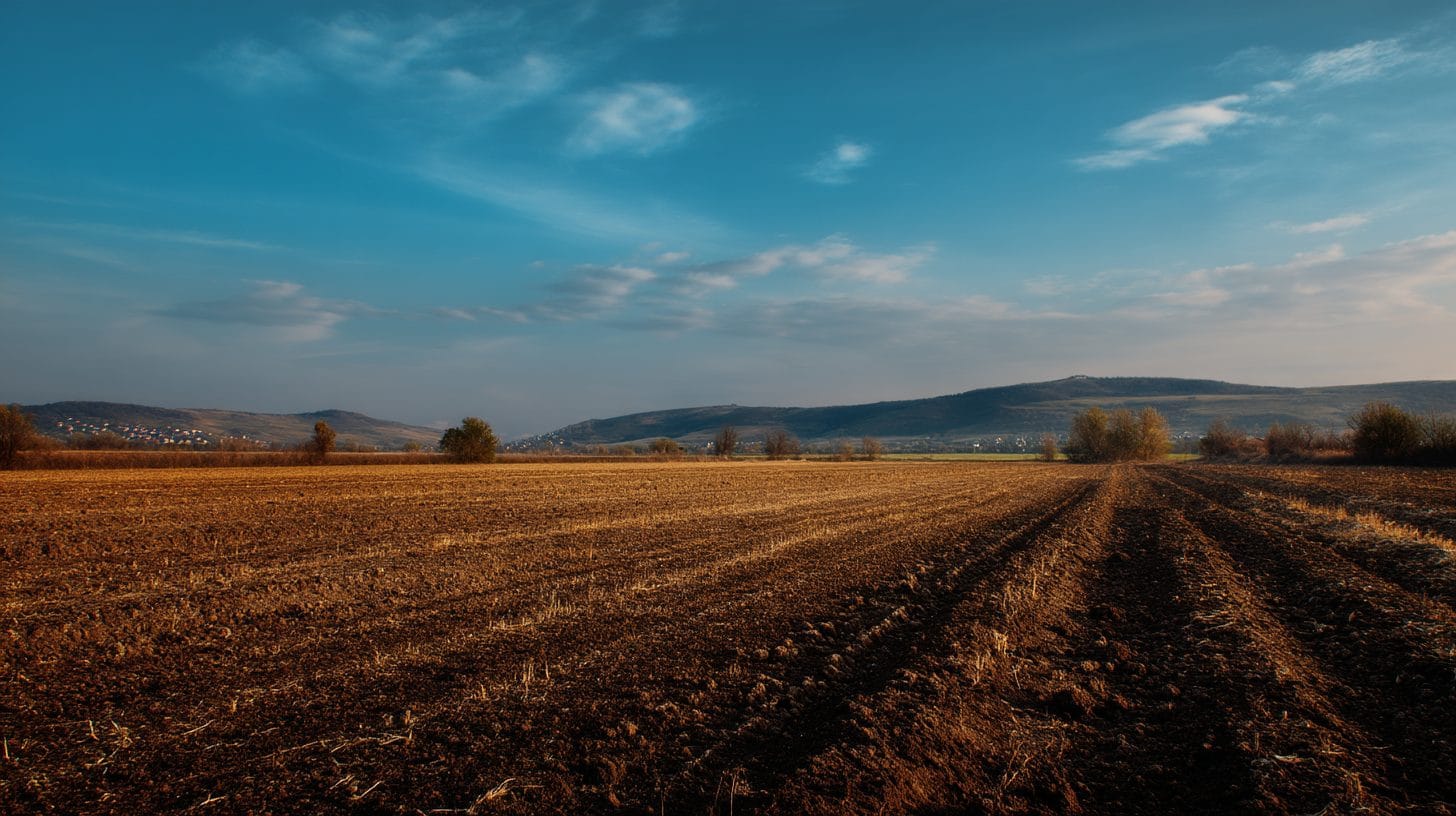
Investing in large tracts of land near Bucharest can be a lucrative opportunity for those looking to diversify their portfolios or enter the real estate market in Romania. Bucharest, the capital of Romania, has been experiencing rapid growth and urban development, making it a prime location for land investment. Nonetheless, investing in large tracts of land requires careful consideration and strategic planning. In this article, we provide valuable tips for potential investors looking to acquire large tracts of land near Bucharest.
Understanding Market Trends
One of the first steps in investing in large tracts of land near Bucharest is to understand the current market trends. Over the last few years, Bucharest has witnessed a significant increase in population due to urban migration and international business opportunities. This growth in population has led to a surge in demand for housing, commercial spaces, and recreational areas. Prospective investors should keep an eye on trends such as infrastructure development, zoning changes, and population growth forecasts to identify the best locations for investment.
Location is Key
When it comes to investing in real estate, location is paramount. Large tracts of land near Bucharest that are close to major transportation hubs, such as highways, airports, and train stations, are often more valuable and desirable. Additionally, proximity to amenities such as schools, hospitals, shopping centers, and parks can significantly enhance the appeal of a property. When considering a purchase, it is essential to analyze not only the current state of the location but also its future potential, as neglected areas can flourish with the right investments.
Researching Zoning Regulations
Before investing in large tracts of land near Bucharest, it is crucial to research the zoning regulations in the area. Each municipality has its own set of laws and regulations that dictate how land can be used, what can be built, and any restrictions that may apply. Understanding these regulations will help investors determine the suitability of the land for their intended purpose, be it residential, commercial, or agricultural. Furthermore, staying abreast of any planned zoning changes can provide a competitive advantage in the marketplace.
Conducting Due Diligence
Investing in large tracts of land requires comprehensive due diligence to mitigate risks. Investors should gather as much information as possible regarding the land’s title history, encumbrances, and environmental issues. Engaging a reputable land surveyor to assess the boundaries and conditions of the property can prevent future disputes and ensure a clear understanding of what is being purchased. Additionally, it may be prudent to consult with a real estate attorney to review contracts and ensure compliance with all applicable laws.
Evaluating Access to Utilities
Access to utilities is a critical factor when investing in large tracts of land near Bucharest. Potential buyers should verify the availability of essential services such as water, electricity, gas, and sewage systems. Properties that lack access to these utilities may require significant investment to develop. Identifying land parcels with existing utility connections or the potential to easily connect to utility services can save investors time and resources in the long run.
Identifying Future Development Opportunities
When investing in large tracts of land near Bucharest, investors should consider the potential for future development. With ongoing urban expansion, areas once considered remote are becoming increasingly valuable. Assessing the local government’s development plans, infrastructure projects, and population forecasts can provide insight into where demand for land will increase. By strategically purchasing land in areas earmarked for growth, investors can capitalize on escalating prices as these locations become more developed.
Networking with Local Experts
Establishing relationships with local real estate agents, land developers, and government officials can provide invaluable insights and access to exclusive opportunities. Local experts are often well-informed about the intricacies of the market, zoning intricacies, and upcoming projects that may affect land values. Networking within the community can also facilitate partnerships that enhance investment prospects and guide investors in navigating the complexities of acquiring large tracts of land near Bucharest.
Financing Your Investment
Understanding your financing options is crucial when investing in large tracts of land. Several financing methods can be explored, including traditional mortgages, land loans, and private financing. Additionally, some investors may consider partnerships or syndicates to pool resources for acquiring larger parcels of land. By carefully assessing financing options, investors can identify the best approach that aligns with their investment goals and financial capabilities.
Planning for Holding Costs
Investors should be prepared for ongoing costs associated with owning large tracts of land near Bucharest. While land typically has lower maintenance costs compared to developed properties, there are still expenses to consider, such as property taxes, insurance, and potential improvements. Creating a comprehensive financial plan that accounts for these holding costs will help investors avoid surprises and ensure their investment remains sustainable in the long term.
Long-term Vision and Exit Strategies
Real estate investing is often a long-term endeavor, and having a clear vision for your investment is vital. Whether the goal is to develop the land, hold it for appreciation, or eventually sell it, knowing the endgame will guide decision-making throughout the investment process. Additionally, having an exit strategy in place is important, as it allows investors to take advantage of favorable market conditions when they arise or to pivot if circumstances change.
Understanding the Tax Implications
Investing in large tracts of land near Bucharest carries tax implications that need consideration. It’s essential to understand how landownership is taxed and any potential tax benefits available to investors. Consulting with a tax professional who specializes in real estate can provide clarity on these issues and help investors develop strategies for minimizing their tax liabilities.
Considering Environmental Impact
Investors should also consider the environmental impact of their land use. Due diligence should include an assessment of the land’s ecological features, potential contamination issues, and adherence to environmental regulations. Investing in environmentally sustainable practices can not only enhance the appeal of a property but can also mitigate the risk of legal issues arising from non-compliance with environmental laws.
In conclusion, investing in large tracts of land near Bucharest offers enticing opportunities, but it requires careful research, strategic planning, and a thorough understanding of the local market dynamics. By following these tips, potential investors can better navigate the complexities of land acquisition and position themselves for success in this growing and evolving market. As Bucharest continues to thrive as a regional hub, savvy investors who align their strategies with market demands can reap the rewards of investing in large tracts of land near Bucharest.
Interested in Land Investment in Romania?
We specialize in high-yield land and property opportunities for serious investors.
VIEW OUR CURRENT PORTFOLIOSecure your investment with Land For Investors.

Published: April 20, 2025