

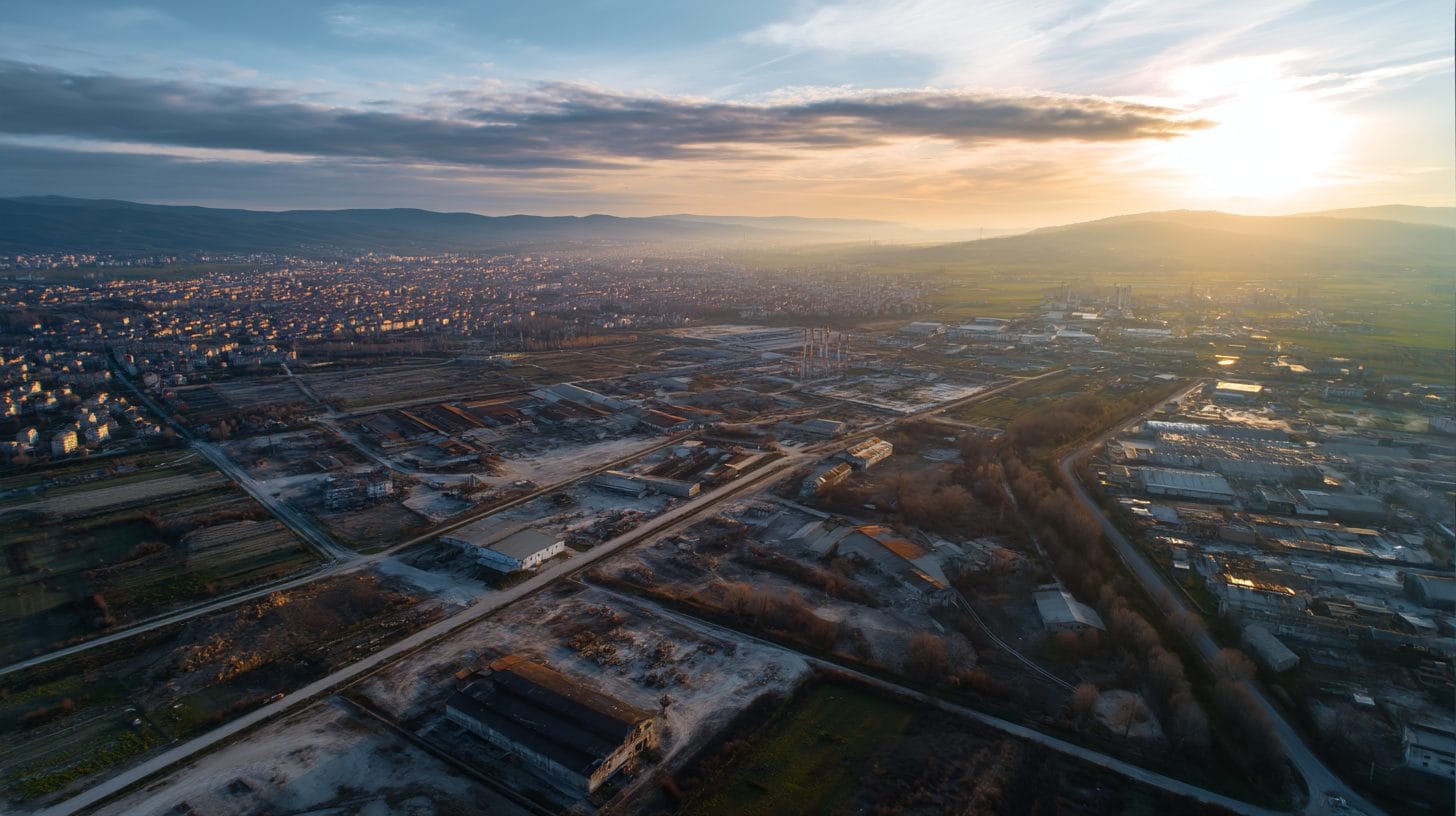
Investing in land for residential development in Romania has become an increasingly attractive opportunity for both local and international investors. With a growing economy, a burgeoning real estate market, and an expanding population, Romania offers a unique landscape for those looking to capitalize on residential development. This article aims to provide comprehensive tips for anyone looking to invest in land for residential development in Romania, covering essential factors, market insights, legal considerations, and investment strategies.
Understanding the Romanian Real Estate Market
Before making any investments, it is critical to understand the current state and dynamics of the Romanian real estate market. Over the past decade, Romania has experienced significant urbanization, with a notable increase in demand for housing. Cities such as Bucharest, Cluj-Napoca, Timisoara, and Iasi are seeing accelerated growth, spurred by an influx of people relocating for work or educational purposes. This demographic shift presents ample opportunities for investing in land for residential development.
When examining the market, pay attention to trends such as average property prices, occupancy rates, and the demographic profile of potential residents. Trends can be influenced by economic growth, government initiatives, and infrastructural developments, making it essential for investors to conduct thorough market research.
Identifying Prime Locations
Location is one of the most critical factors in real estate development. In Romania, prime locations can significantly vary between urban and rural areas. Urban centers are typically more desirable due to their proximity to jobs, amenities, and infrastructure. Look for areas with ongoing or planned developments—public transport upgrades, business parks, and educational institutions can all increase property values and attract residents.
Consider emerging neighborhoods where property values are currently lower but projected to increase due to planned projects or gentrification. Research zoning regulations and future urban planning to ensure the chosen area aligns with residential development.
Understanding Zoning and Land Use Regulations
Analyzing local zoning laws is crucial before investing in land for residential development. Romania’s zoning regulations can differ significantly across regions, and each municipality can have its own set of rules governing land use, building heights, and density. Familiarize yourself with the local zoning plans and ensure that your intended development meets the criteria set by authorities.
Moreover, consider contacting the local governmental department responsible for urban development to inquire about any upcoming zoning changes that might impact your investment. Understanding these regulations will help you avoid potential roadblocks and enable you to make informed decisions regarding land use.
Assessing Land Characteristics
Investing in land requires careful evaluation of its characteristics. Key factors to consider include the land’s topography, soil quality, accessibility to main roads and public transport, and proximity to essential services like schools, hospitals, and retail spaces. Conduct thorough soil and environmental assessments to ensure the land can support residential construction.
Furthermore, look into potential hazards such as flood zones or landslide-prone areas. Assess how these factors might impact the feasibility and cost of construction. The last thing you want is to invest in land that may render the project financially burdensome due to hidden geological issues.
Engaging Local Experts
Navigating the real estate landscape in Romania can be complex, particularly for foreign investors. Engaging local real estate professionals, such as property agents, architects, and legal experts, can greatly enhance your investment experience. They provide invaluable local knowledge, insights into the market, and help in identifying suitable land parcels.
Additionally, local experts can assist in navigating the legal framework surrounding property acquisition and development, ensuring that you comply with local laws and regulations. This approach minimizes risk and optimizes your chance of a successful investment.
Financial Planning and Budgeting
Investing in land for residential development entails significant financial commitment. Establish a clear budget that includes not only the cost of purchasing the land but also expenses related to permits, construction, marketing, and unexpected contingencies. It is wise to set aside a percentage of your budget for unforeseen expenses, as construction projects can often exceed initial estimates.
Additionally, consult financial advisors to assess funding options, including loans, partnerships, or crowdfunding approaches suited to real estate development. Having a solid financial plan is crucial for the project’s success and will allow you to make sound economic decisions throughout the investment process.
Evaluating Potential Returns on Investment
Prior to committing to a land purchase, it’s vital to conduct a comprehensive analysis of potential returns on investment (ROI). Analyze the expected rental income or sales revenue after development compared to the total development costs. Consider factors such as the target demographic, competitive pricing, and potential for market appreciation.
Utilize various financial modeling scenarios to explore the best and worst-case scenarios for your investment. This data-driven approach will help you make informed decisions and prepare for potential challenges in the market.
Staying Informed About Regulations and Market Trends
Real estate investments are deeply intertwined with regulatory policies and market trends. Stay current with government policies impacting the real estate sector, such as tax incentives for developers, environmental regulations, or changes to property laws. Subscribe to industry publications, attend local real estate conferences, and engage with professional organizations specializing in Romanian real estate.
Market trends also evolve over time. Pay attention to homebuyer preferences, emerging neighborhoods, and economic forecasts. By remaining informed, you can adjust your investment strategy and take advantage of emerging opportunities in the land development landscape.
Building a Strong Network
Networking is an integral part of succeeding in real estate. Build relationships with other real estate investors, local contractors, and professionals within the industry. Joining real estate investment groups or clubs can provide support and resources for navigating the Romanian land development landscape.
Furthermore, leveraging your network can facilitate finding property deals, securing advisers, and gaining insights into market dynamics from individuals who have already experienced the challenges and successes of investing in residential development.
Conclusion
Investing in land for residential development in Romania offers significant potential due to the country’s growing real estate market and urbanization trends. By following these tips—conducting thorough market research, engaging local experts, assessing land characteristics, and understanding the regulatory environment—you can enhance your chances of a successful investment. Remember that real estate is not merely about purchasing property; it’s about building communities that contribute to the region’s broader economic growth. While navigating the complexities of investing in residential development in Romania can be challenging, with the right knowledge and approach, your investment can yield substantial long-term returns.
Interested in Land Investment in Romania?
We specialize in high-yield land and property opportunities for serious investors.
VIEW OUR CURRENT PORTFOLIOSecure your investment with Land For Investors.

Published: April 14, 2025