

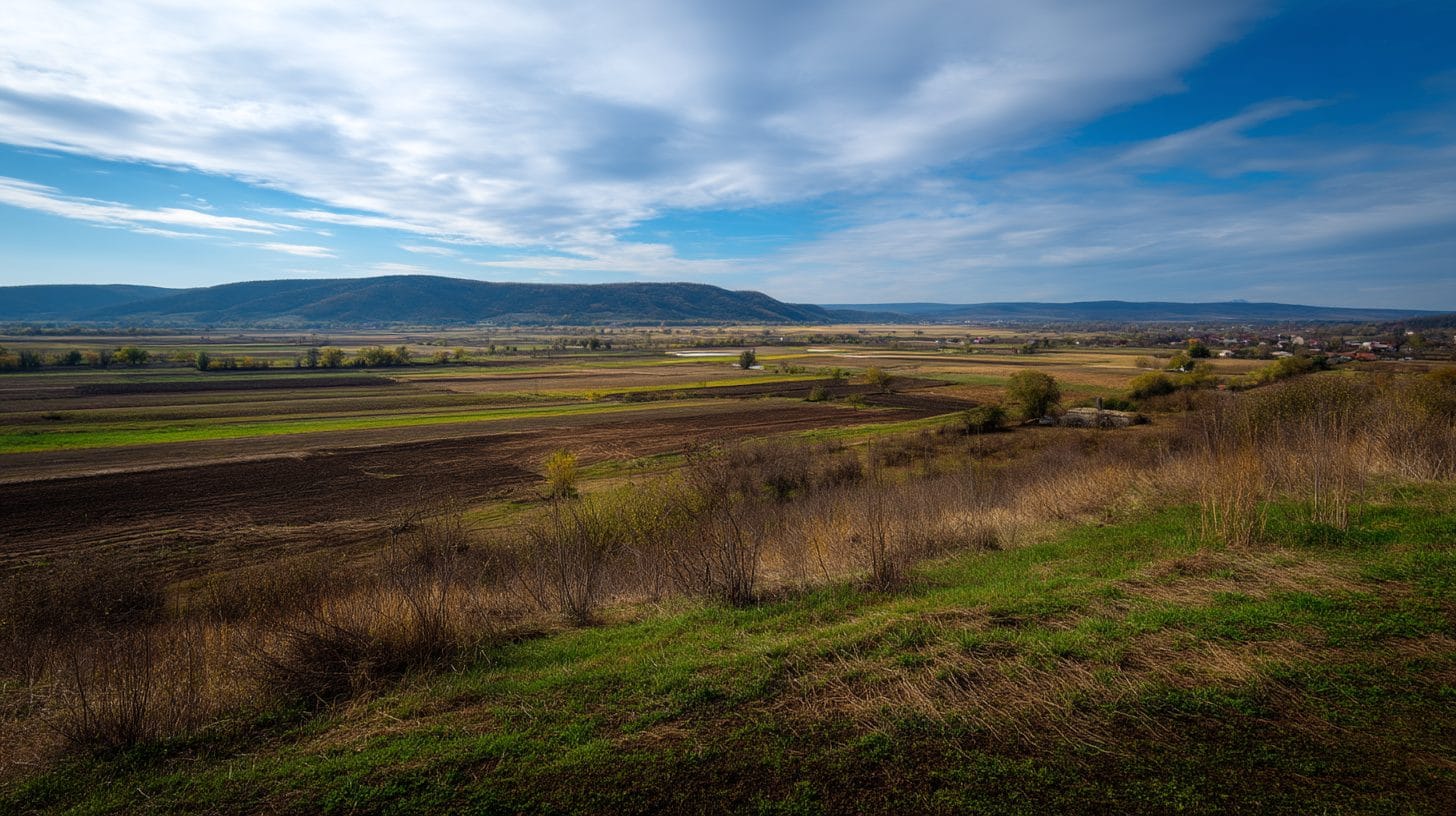
Investing in land for residential development in Romania can be a lucrative opportunity for both seasoned investors and newcomers to the real estate market. As urbanization grows and the demand for housing increases in various regions, identifying the right land parcels comes with its own set of challenges and rewards. Here are some comprehensive tips for successful land investment aimed at residential development in Romania.
Understanding the Market Trends
Before diving into the investment process, it is paramount to understand current market trends in Romania. Emerging cities, such as Cluj-Napoca, Timisoara, and Iasi, have experienced significant growth and are in high demand for residential properties. Conversely, lesser-known regions may offer opportunities for growth as urban sprawl continues. By monitoring trends through real estate reports and market analyses, investors can better position themselves to make informed decisions.
Local Laws and Zoning Restrictions
Navigating the legal landscape of land investment is crucial. Romania has its own set of regulations regarding land ownership, zoning, and development permits. It is important to familiarize yourself with applicable laws, including land use regulations, zoning classifications, and environmental requirements. Each municipality may have specific plans for residential development, and understanding these can minimize the risk of facing legal hurdles during your project. Consulting with local real estate lawyers or experts knowledgeable in Romanian property law can be invaluable at this stage.
Location Analysis
The location of the land you choose for residential development plays a vital role in the potential return on investment. Proximity to essential amenities such as schools, hospitals, shopping centers, and public transportation can significantly influence property value. When deciding where to invest land for residential development in Romania, consider areas with promising infrastructure projects on the horizon, as these developments can enhance the area’s attractiveness and increase property value over time.
Conducting Thorough Due Diligence
Before committing to a land purchase, conducting thorough due diligence is essential. This process involves verifying the land’s title and the absence of any legal disputes, checking for encumbrances, and confirming that the land is appropriate for residential use. Additionally, assessing the topography and soil quality can reveal any potential challenges in development. Engaging surveyors and land experts to evaluate the land’s condition can help identify any red flags before the investment is finalized.
Assess Financial Viability
Assessing the financial viability of investing in land for residential development in Romania is crucial. Investors should perform a comprehensive cost analysis that encompasses not only the land purchase price but also additional costs like permits, construction costs, and various fees associated with the development process. Creating a financial model that estimates potential revenue based on expected selling prices or rental income can help gauge whether the investment aligns with your financial goals.
Collaboration with Local Developers
Working with local developers who have established networks and knowledge of the market can provide valuable insights and open doors to opportunities that may not be public knowledge. Partnerships can also facilitate smoother project execution, as local developers are likely to have a better understanding of community expectations and trends. Networking through real estate associations or local business groups can connect you with the right professionals to collaborate with.
Evaluating Investment Risks and Exit Strategies
Investing in land always involves a degree of risk. Market fluctuations, changes in zoning laws, and unexpected construction challenges can affect the project’s timeline and profitability. Therefore, it is essential to evaluate investment risks meticulously and develop contingency plans. Identifying potential exit strategies early on, such as selling the land to another developer or converting the project to rental properties, can provide you with various options should the market conditions shift.
Consider Environmental Factors
Romania is host to varied landscapes and environmental features. When selecting land, it is essential to consider environmental factors such as flood zones, geological stability, and accessibility to vital resources like water and electricity. Understanding these factors not only assists in compliance with local regulations but also informs strategic planning for the residential development itself. Environmental assessments and consultations with experts in land management can provide insights into ecological considerations that might impact your investment.
Leveraging Technology for Research
In today’s digital age, utilizing technology can enhance your research significantly. Numerous online platforms provide GIS (Geographic Information System) data and local planning maps, allowing potential investors to analyze land plots meticulously. Additionally, property listing websites and local real estate portals can provide insights into current market conditions and property values in specific areas of Romania. Employing analytical tools can help in making data-driven decisions that alleviate guesswork in investing.
Engaging in Sustainable Development Practices
As global awareness of environmental issues rises, incorporating sustainable practices into residential development is becoming increasingly relevant. Investors are urged to consider eco-friendly designs, energy-efficient systems, and sustainable materials when developing residential properties. Not only can this approach lead to potential cost savings in energy consumption, but it can also enhance marketability to environmentally conscious buyers or renters.
Networking with Local Authorities
Establishing relationships with local government entities can lead to smoother processes in securing the necessary permits and navigating zoning regulations. Familiarizing yourself with local government structures and engaging in open conversations about your development plans can lead to community support and help in anticipating any regulatory challenges. Attending community forums or municipal planning meetings can also provide insights into local initiatives and developments that may affect your investment.
Understanding Financing Options
Financing options available for land investment can significantly impact your return on investment. Exploring local banks, credit unions, and private equity firms that specialize in real estate can provide multiple pathways to financing your land purchase. Understanding the terms, interest rates, and eligibility requirements associated with different financing options can help investors choose the ideal financial model for their specific situation. Additionally, obtaining pre-approval for financing before starting the investment process can expedite the purchasing experience.
Final Thoughts
In summary, investing in land for residential development in Romania requires meticulous planning, informed decision-making, and a clear understanding of the market landscape. By preparing adequately, conducting thorough due diligence, and leveraging partnerships, investors can position themselves for success in this burgeoning real estate market. Understanding both the risks and opportunities, while staying attuned to the local environment and infrastructural developments, can ensure that your investment not only meets your financial goals but contributes positively to the communities in which you invest. Remember, the journey of investing in land for residential development in Romania is dynamic, and being proactive while adapting to changes in the market will significantly optimize your chances for success.
Interested in Land Investment in Romania?
We specialize in high-yield land and property opportunities for serious investors.
VIEW OUR CURRENT PORTFOLIOSecure your investment with Land For Investors.

Published: April 15, 2025