

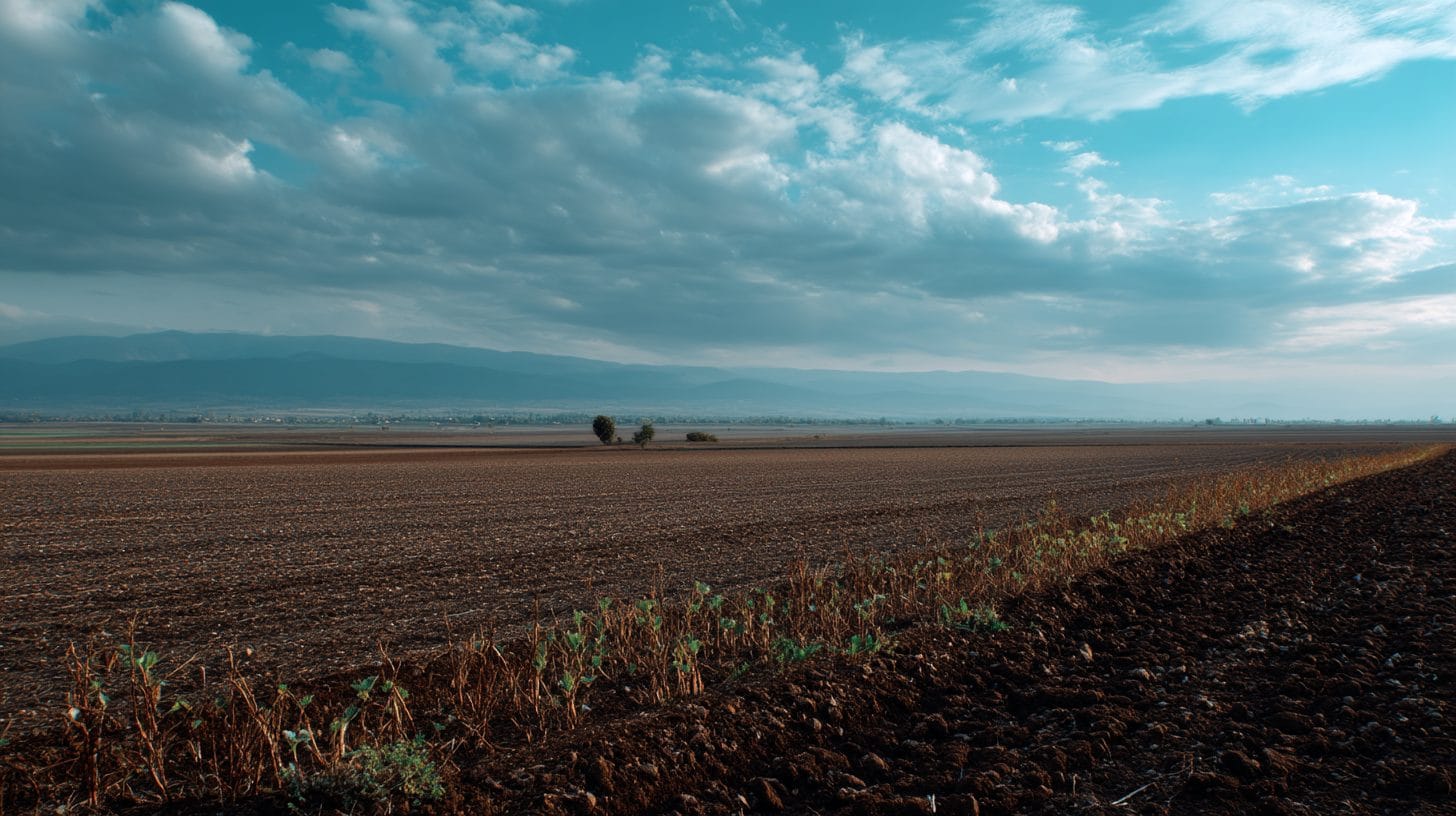
Title: Tips for Evaluating the Impact of Future Infrastructure on Land Near Bucharest
As cities evolve and grow, infrastructure development plays a pivotal role in shaping urban landscapes and influencing land values. Bucharest, the vibrant capital of Romania, is experiencing a transformative phase, making it imperative for stakeholders, investors, and city planners to evaluate the impact of future infrastructure on land near Bucharest. This article aims to provide comprehensive insights and practical tips for assessing how upcoming projects might affect real estate dynamics, accessibility, and overall land value in the region.
Understanding Future Infrastructure Proposals
The first step in evaluating the future infrastructure impact on land near Bucharest is to stay informed about proposed projects. Local government announcements, urban planning documents, and strategic development plans often outline major infrastructure initiatives, including roads, public transportation, utilities, and urban redevelopment programs. Engage with the Bucharest Municipality and relevant departments to access detailed information regarding these proposals.
Consider the Types of Infrastructure Projects
Different types of infrastructure have varying impacts on land. For example:
1. Transportation Infrastructure: New roads, highways, metro lines, or public transit systems can immensely increase accessibility and connectivity. Assess potential routes and their proximity to the land in question. Being close to major transit hubs can enhance land desirability and drive up property values.
2. Utilities: Upgrades or expansions of electricity, water, and internet services can make certain land parcels more attractive. Examine how these utility improvements may affect the development potential of properties nearby.
3. Green Spaces: Parks, recreational facilities, and pedestrian-friendly zones enhance neighborhood appeal. An increase in green infrastructure can attract residents and investors, thereby elevating land values.
4. Commercial Development: Large commercial projects such as shopping centers, business parks, or industrial zones can dramatically transform land use patterns and economic activity. Analyze how the proximity to these developments can increase or decrease the value of land.
Assess Current Land Use
Evaluating future infrastructure impact on land near Bucharest also requires understanding the current land use patterns. Are the surrounding areas predominantly residential, commercial, or agricultural? Future developments can drastically alter the character of an area. Acknowledge how existing land uses might change due to new infrastructure and how this transformation could affect real estate prices.
Analyze Market Trends
Conduct a thorough analysis of current real estate trends in Bucharest and surrounding areas. Look at historical data regarding land value fluctuations, sales prices, rental rates, and property transactions. Understanding market trends will provide valuable context when evaluating the potential impact of upcoming infrastructure developments. Consider consulting with real estate agents, local experts, or market analysts who specialize in the Bucharest area.
Consider Legal and Regulatory Factors
Infrastructure projects are often subject to legal and regulatory frameworks that may influence land value. Zoning laws, land use regulations, and property taxes can all play a significant role in determining how land can be developed and its potential worth. Familiarize yourself with these regulations in the context of planned infrastructure initiatives. Engage with land use attorneys if necessary to understand nuanced legal implications.
Engage with Local Communities
Local communities play a crucial role in evaluating the future infrastructure impact on land near Bucharest. Engaging with neighborhood associations, residents, and advocacy groups can provide insights into community sentiment regarding proposed developments. Understanding public opinion can highlight potential challenges and opportunities that may arise. Additionally, community feedback can serve as an invaluable resource in assessing the desirability of land affected by future infrastructure.
Consider Environmental Impact Assessments
Infrastructure projects can have significant environmental implications. Laws may require developers to conduct Environmental Impact Assessments (EIAs), detailing potential effects on air quality, water resources, noise levels, and wildlife. When evaluating future infrastructure impact on land near Bucharest, examine these assessments and consider their findings. Areas that are particularly affected by negative environmental impacts may see a decrease in property values or increased public opposition to nearby developments.
Evaluate Economic Impacts
Infrastructure investment can spur economic growth, providing new jobs and attracting businesses. Assess how future projects are likely to stimulate economic activity in the area. Investment in infrastructure usually correlates with improved land values due to increased business opportunities or enhanced quality of life for residents. Examine economic studies, job forecasts, and developer projections that speak to how infrastructure can impact the local economy and, consequently, land values.
Investigate Infrastructure Funding
Understanding how future infrastructure projects are funded can provide indications of their permanence and longevity. Projects backed by substantial public funding or private investment often signal commitment and can realistically shape future developments. Conversely, poorly funded projects might face delays or cancellations, affecting land valuation more negatively. Research funding sources, including government budgets, grants, or private sector investments, to gauge the viability of planned infrastructure.
Evaluate Competitive Comparisons
Conduct comparisons with other cities or regions that have undergone similar infrastructure developments. What impact did these projects have on surrounding land? Case studies can offer invaluable insights into potential outcomes, allowing stakeholders to project future scenarios based on empirical data.
Incorporate Technology into Modeling
With advancements in technology and data analysis, various modeling tools can aid in predicting the future infrastructure impact on land near Bucharest. Geographic Information System (GIS) software can help visualize developments, assess property values, and simulate impacts on local communities. Investing in these technological resources can enhance decision-making processes for stakeholders involved in land evaluation.
Monitor Infrastructure Timelines
The timeline for infrastructure development can significantly influence land valuations. During periods leading up to construction and after completion, land prices may fluctuate as buyers anticipate changes. Monitor the timelines of these projects to capitalize on opportunities or minimize risks associated with holding or investing in land near Bucharest.
Conclusion
Evaluating the future infrastructure impact on land near Bucharest requires a multifaceted approach, incorporating analysis of proposed projects, existing market dynamics, community engagement, and legal considerations. By employing these tips, stakeholders can make informed decisions as urban development transforms the landscape of Bucharest, fostering sustainable growth and enhancing the quality of life for its residents. Understanding the nuances of how future infrastructure will influence land values will prove invaluable for investors, urban planners, and property owners alike. Through such analyses, Bucharest will continue to evolve as a modern, dynamic city, creating better opportunities for its inhabitants while maximizing the potential of its land.
Interested in Land Investment in Romania?
We specialize in high-yield land and property opportunities for serious investors.
VIEW OUR CURRENT PORTFOLIOSecure your investment with Land For Investors.

Published: April 18, 2025