

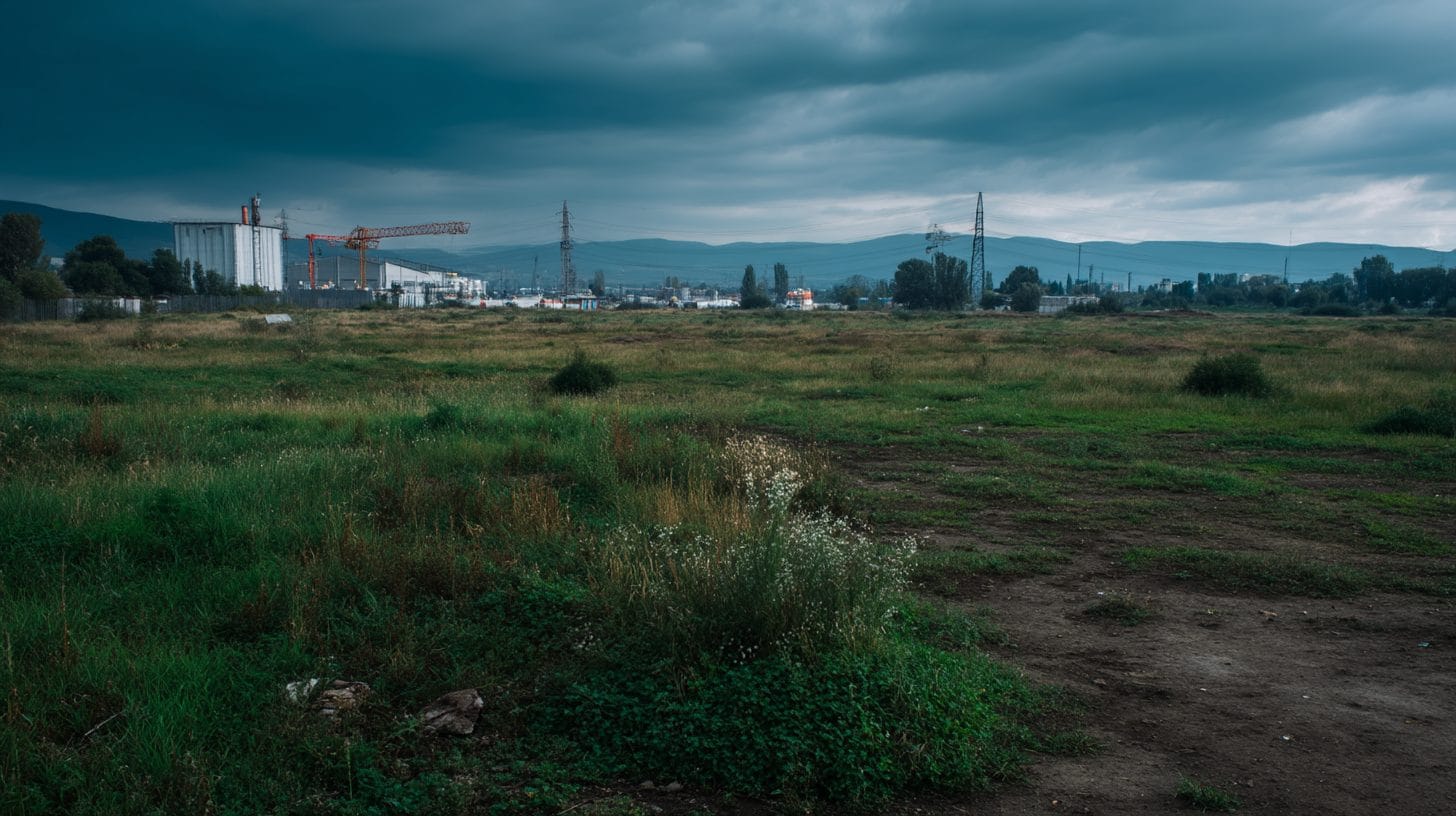
Currency fluctuations can significantly influence various sectors of an economy, particularly real estate markets that are dependent on international finance and investment. In Romania, as real estate continues to attract both domestic and foreign investors, an understanding of the impact of currency fluctuations is essential for making informed decisions. This article provides comprehensive insights and practical tips for evaluating the currency fluctuations’ impact on Romanian real estate.
Understanding Currency Fluctuations
Currency fluctuations refer to the changes in value concerning other currencies over time. For the Romanian real estate market, the principal currency to consider is the Euro (EUR), especially given the substantial involvement of European investors. Fluctuations can arise from numerous factors, including economic performance, inflation rates, political stability, and global market dynamics. It is crucial for investors and stakeholders to monitor these fluctuations as they can affect property prices, rental yields, and the overall viability of investments.
The Role of Currency in Real Estate Investment
Foreign investment in Romanian real estate is often conducted in currencies other than the Romanian Leu (RON), making currency exchange rates vital when assessing property value and investment returns. A strengthening Euro, for instance, can increase the purchasing power of foreign investors in Romania, leading to spikes in demand for properties. Conversely, a depreciating Euro may deter investment, adversely affecting property values and rental income for existing landlords.
Evaluating Currency Fluctuations’ Impact on Romanian Real Estate
To effectively assess the currency fluctuations impact on Romanian real estate, consider the following strategic tips:
1. Monitor Exchange Rate Trends: Regularly track the performance of the Romanian Leu against major currencies, particularly the Euro. Utilize reliable financial news platforms, currency conversion tools, and market analysis reports to stay updated on exchange rate trends. Understanding past trends can also provide insight into future behavior and help investors anticipate changes.
2. Assess Economic Indicators: Economic performance indicators such as GDP growth, inflation rates, and employment figures can provide context for currency performance. A stable or growing economy is likely to support a stable currency, thus positively influencing the real estate market. Conversely, an unstable economy may lead to heightened currency volatility and impact investor confidence.
3. Analyze Foreign Investment Patterns: Foreign investments play a crucial role in shaping the Romanian real estate landscape. By analyzing which countries are actively investing in Romanian properties, investors can assess how potential currency fluctuations may impact demand. For instance, if a particular currency is projected to strengthen, investors from that country may be more inclined to invest, considering the relative value of their currency in comparison to the RON.
4. Understand Interest Rates: The relationship between interest rates and currency value is crucial. Higher interest rates may attract foreign capital investment, leading to currency appreciation. In this scenario, the increased cash flow from foreign investments may invigorate the real estate market. On the other hand, if interest rates are lower, it might signal a lack of confidence, leading to currency depreciation and possible adverse effects on property values.
5. Factor in Political Stability: Currency stability is often closely tied to a country’s political environment. Investors should evaluate the political landscape in Romania and consider how elections, government policies, and international relations may influence investor sentiment and currency valuations. Additionally, political stability can enhance confidence in the property market, supporting higher demand and prices.
6. Consider Property Location: Real estate markets vary greatly by region. Major cities like Bucharest, Cluj-Napoca, and Timișoara attract greater foreign interest and investment. Understanding local demand and how currency fluctuations impact individual regions can enhance investment strategies. For example, in areas favored by expatriates or foreign investors, a strengthening Euro might increase demand for high-end apartments.
7. Evaluate Rental Yields: Currency fluctuations affect rental income potential. As an investor, calculate how foreign exchange rates impact rental yields when wards euros or other currencies. When the Euro depreciates, rental income may diminish, making investments less attractive. Understanding rental demand and occupancy rates within the context of currency volatility can offer critical insights into future profitability.
8. Diversify Investment Portfolio: Diversification is a risk management strategy that can mitigate the adverse effects of currency fluctuations. Invest in different property types, locations, and even currencies to decrease the dependency on a single currency’s performance. This can help spread risk and offset losses in one area with gains in another.
9. Utilize Financial Instruments: To hedge against currency risk, various financial tools or contracts can be employed. Options, swaps, or forwards can provide a safeguard against adverse currency movements. Investors should consult financial advisors to tailor hedge strategies that align with their investment goals and risk tolerance.
10. Stay Educated: The real estate market is constantly evolving, particularly in response to currency fluctuations. Join industry groups, attend seminars, and engage in webinars that discuss market trends and economic indicators affecting Romanian real estate. Staying informed about industry developments equips investors with the knowledge necessary to make timely and strategic decisions.
Conclusion
The currency fluctuations impact Romanian real estate is a multifaceted phenomenon that necessitates diligent observation and analysis. By understanding exchange rate dynamics, economic indicators, political factors, and regional demands, investors can make informed decisions in a volatile market. By applying the above tips, those involved in Romanian real estate can better position themselves to navigate the complexities introduced by currency fluctuations, ultimately resulting in more robust investment outcomes. Awareness and strategic responsiveness to changes in currency dynamics can prove essential in capitalizing on opportunities within Romania’s ever-evolving real estate market.
Interested in Land Investment in Romania?
We specialize in high-yield land and property opportunities for serious investors.
VIEW OUR CURRENT PORTFOLIOSecure your investment with Land For Investors.

Published: April 8, 2025