

Tips for Evaluating Land Size and Usable Acreage in Romania
When considering a land investment in Romania, it becomes essential to accurately evaluate land size and usable acreage. This evaluation not only influences financial implications but also affects future development potential, agricultural endeavors, and personal preference. With the Romanian real estate market increasingly appealing to both domestic and international buyers, understanding how to properly assess land size and usable acreage has never been more crucial. Here are essential tips to guide your evaluation process.
Firstly, familiarize yourself with the legal definitions of land size and usable acreage in Romania. Land size typically refers to the total square meters or hectares of the property, while usable acreage consists of the portions of the land that can be practically utilized for activities such as construction, farming, or recreational purposes. Understanding these distinctions is vital to accurately evaluate land size and usable acreage in Romania.
One effective way to evaluate land size and usable acreage in Romania is by examining property documents. The title deed, land registry, and cadastral documentation can provide clarity on the exact measurements of the land, including any easements, servitudes, or encroachments. Ensure that these documents are up to date and consult with a local notary or real estate professional who can clarify any ambiguities.
Additionally, employing professional land surveyors is highly recommended. These experts can deliver precise measurements and assess the topography of the land, which can significantly influence usable acreage. Variations in elevation, geographic features, and natural obstacles such as rivers or forests can all impact the potential use of land. A reliable survey will reveal which sections of the property are best suited for your intended use and provide insights into future development options.
Proximity to local regulations and zoning laws is another important factor. Romania has specific zoning classifications that dictate how lands can be utilized. Understanding these regulations will help evaluate whether your intended use for the land is permissible. Before making any investment, check with local authorities to ascertain zoning designations, building codes, and any ongoing municipal plans that might affect future use.
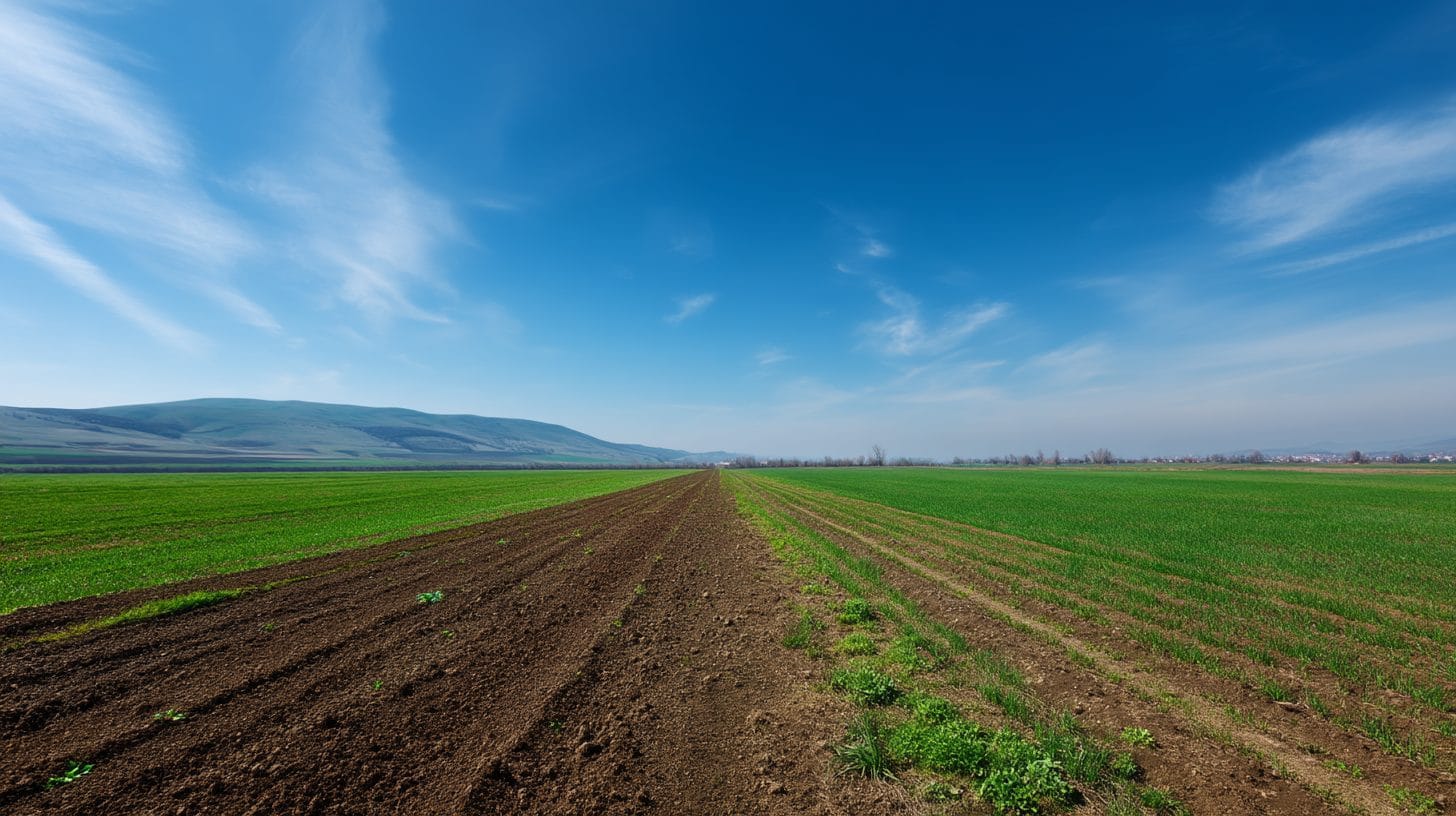
Also, consider land topography as part of your evaluation. The lay of the land plays a critical role in its usability. Flat terrain is generally more suitable for construction and agriculture compared to hilly or mountainous properties. In Romania, regions such as the Great Plains offer extensive flat lands for cultivation, while areas in the Carpathians provide more scenic but less standard building opportunities. Understanding the topography will help you make informed decisions about usable acreage.
Soil quality is another crucial aspect to consider when evaluating land size and usable acreage in Romania, especially if you plan to use the land for agricultural purposes. It’s advisable to conduct soil tests to determine pH levels, nutrient content, and soil type. High-quality soil is essential for successful farming ventures and will influence the long-term viability of your land investment. Consulting with agricultural experts or local farmers can provide additional insights into soil health and suitability.
Moreover, accessibility is a significant factor affecting usable acreage. Evaluate the property’s access to roads, public transport, and nearby urban centers. Good accessibility can enhance the land’s potential value and usability, making it attractive for commercial purposes or residential developments. In Romania, remote properties may present challenges in terms of development and may require additional investment in infrastructure.
Another essential consideration in evaluating land size and usable acreage is the potential for water resources. Properties with access to lakes, rivers, or reliable groundwater can significantly enhance their value and usability, especially for agricultural or recreational use. In Romania, various regions have abundant water supplies, making them prime locations for farming, aquaculture, or leisure activities.
When evaluating potential land features, take note of environmental considerations as well. Check for protected areas, conservation easements, or other environmental restrictions that may limit the use of the land. An evaluation that includes these factors will provide a more realistic overview of what is achievable on the property.
Finally, conducting a market analysis for comparable land sales in the area can provide context for your evaluation. Understanding current market trends and pricing can assist you in determining whether you’re receiving fair value for the land in question. Speak with local real estate agents, examine online listings, or utilize property databases to assess the value of similar properties.
In conclusion, evaluating land size and usable acreage in Romania requires a comprehensive approach involving a combination of legal knowledge, professional assistance, geographic considerations, and market analysis. By utilizing these tips, you can ensure a more informed investment decision and maximize the potential of your land acquisition. Thoroughly understanding the nuances of evaluating land size and usable acreage will position you for success in Romania’s dynamic real estate market. Remember, an accurate evaluation not only protects your investment but also enables you to realize the full potential of your property over the long term. With the right tools, knowledge, and resources, navigating the complexities of land investment in Romania can be a rewarding endeavor.
Interested in Land Investment in Romania?
We specialize in high-yield land and property opportunities for serious investors.
VIEW OUR CURRENT PORTFOLIOSecure your investment with Land For Investors.

Published: April 14, 2025