

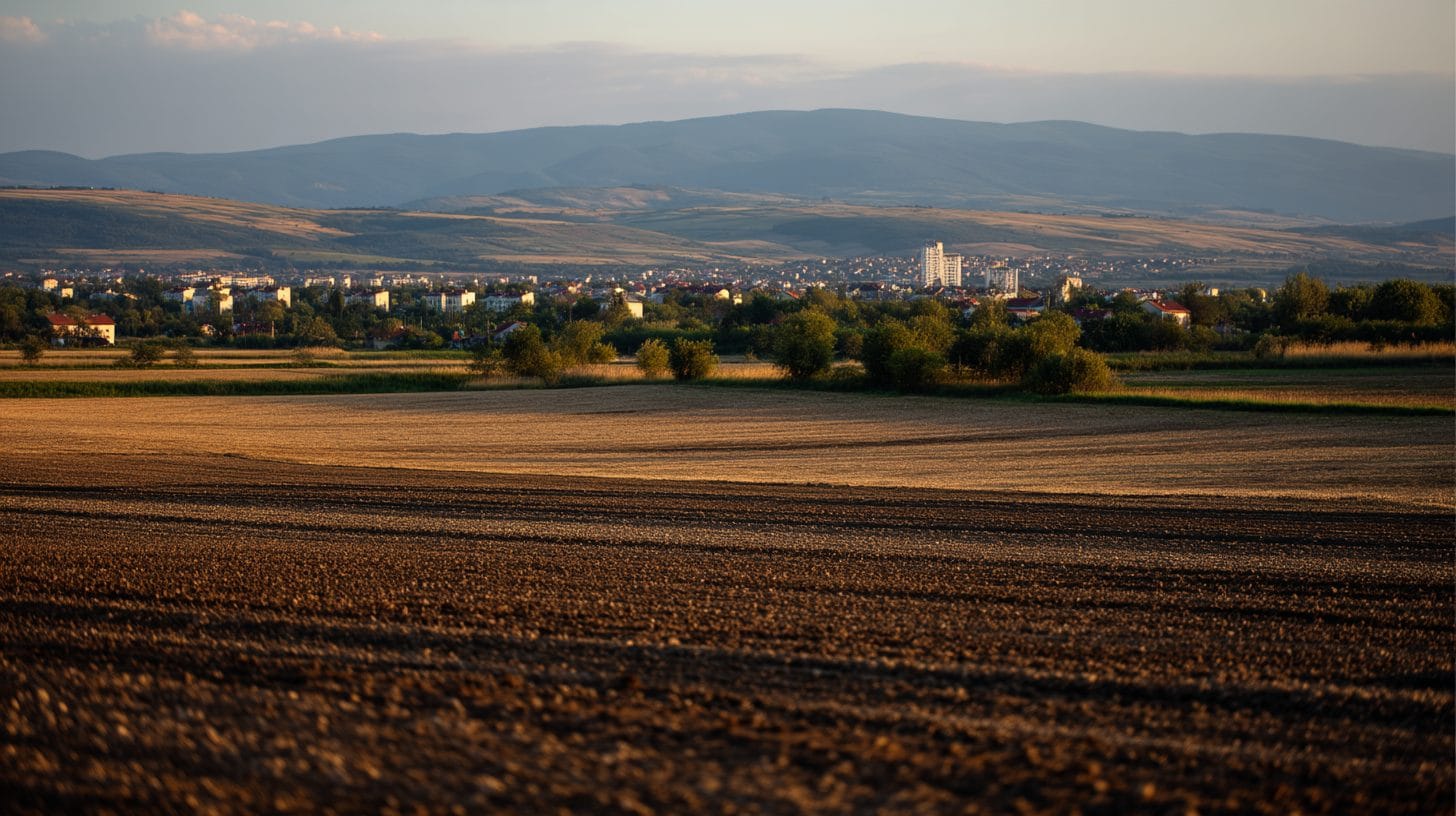
Analyzing historical land price trends near Bucharest is crucial for investors, real estate agents, and anyone looking to understand the dynamics of the property market in Romania’s capital region. As Bucharest continues to grow and evolve, being informed about past price movements helps stakeholders make sound decisions. By exploring the factors that affect land prices and understanding how to assess trends, one can gain valuable insights into future opportunities. Here, we outline important tips that will assist in analyzing historical land price trends near Bucharest.
Understanding the Factors Influencing Land Prices
Before delving into historical data, it’s vital to recognize the various factors that can influence land prices in and around Bucharest. These factors include economic conditions, demographic changes, infrastructure development, and governmental policies. The real estate market is impacted by macroeconomic conditions, such as inflation rates, employment levels, and consumer confidence. Analyzing how these elements evolved over time can offer perspective into historical land price trends near Bucharest.
Demographics play a significant role as well; population growth and urbanization can create demand for land, subsequently affecting prices. As Bucharest expands, you may notice that areas previously considered rural become more valuable as they transition into suburban, or even urban, locales due to increasing accessibility and amenities.
Infrastructure projects, such as the construction of new roads, public transportation systems, and local amenities, directly impact land prices. Improvements in infrastructure typically lead to increased accessibility, which often correlates with rising land values. Therefore, tracking historical developments in infrastructure can provide insights into the price fluctuations of nearby land.
Lastly, government policies, including zoning laws and tax incentives, can affect the real estate market significantly. It is essential to remain informed regarding both national and local regulations that may influence land values over time.
Gathering Historical Data
Once you understand the underlying factors, the next step in analyzing historical land price trends near Bucharest is gathering accurate and comprehensive data. There are various sources to consider when collecting historical land price data, including:
1. Official Government Records: The National Institute of Statistics in Romania regularly publishes data on land prices and transactions. Reviewing this information will give you a foundation on which to analyze fluctuations in the area.
2. Local Real Estate Agencies: Many real estate agencies keep records of historical sales data in their portfolios. By collaborating with agencies operating in Bucharest and surrounding areas, one can access valuable insights and detailed reports on price trends.
3. Market Reports: Numerous companies regularly produce real estate market analyses, which often include historical data. These reports may provide a comprehensive view of the area, highlighting price movements as well as demographic and economic factors influencing the market.
4. Online Property Platforms: Websites that list land and property for sale often include historical price information. By analyzing the listed prices over time, you can gauge price trends for specific locations near Bucharest.
Using Analytical Tools
After gathering historical data on land prices, the next crucial step is employing analytical tools that will enhance your analysis and enable you to visualize data effectively. Various software tools can help create charts, graphs, and data models for better interpretation of historical land price trends near Bucharest.
1. Spreadsheet Software: Programs like Microsoft Excel or Google Sheets are excellent for organizing data and performing calculations. By utilizing functions and pivot tables, one can easily analyze price trends over time and present findings in a visual format.
2. Geographic Information Systems (GIS): GIS tools can be incredibly useful for visualizing geographical data. They allow users to map out historical land prices in different regions around Bucharest and analyze spatial trends. Visual analytics can lead to significant insights regarding urbanization patterns.
3. Economic Analysis Software: Tools designed for economic modeling and statistical analysis, such as R or STATA, can be employed to perform regression analysis. This can help establish correlations between land prices and other influencing factors, like demographic changes or infrastructure developments.
Identifying Patterns and Trends
Once equipped with data and analytical tools, one can begin examining historical land price trends near Bucharest for patterns and trends. Here, it is vital to focus on both short-term and long-term trends.
Short-term trends tend to be influenced by immediate factors like seasonal fluctuations and economic cycles. For example, land prices may rise in the spring and summer months when the property market typically sees more activity. Conversely, prices might dip during economic recessions or periods of uncertainty.
Long-term trends offer perspective on the overall direction of the real estate market. Analyzing historical land prices over several years allows observers to determine whether they are generally increasing or decreasing. Factors contributing to long-term trends may encompass demographic shifts, prolonged economic growth, and significant infrastructure enhancements.
In addition to identifying trends, it is vital to compare the findings against comparable cities or regions. This benchmarking enables one to determine whether Bucharest’s land price growth is unique or in line with broader regional developments.
Consulting with Experts
While self-analysis can yield valuable insights, consulting with local real estate experts and economists can enrich your understanding of historical land price trends near Bucharest. These professionals can offer context and background that might otherwise go unnoticed.
Networking with professionals in the field can lead to valuable discussions about anticipated trends, forecasts for the future, and insights into pockets of opportunity that can be leveraged for investment. Joining real estate forums and attending conferences specific to the Bucharest market may also present additional learning opportunities, allowing for an exchange of insights with industry experts.
Updating and Reviewing Your Analysis Regularly
The real estate market is dynamic, and trends can change rapidly. Therefore, it is crucial to continually update and review your analysis of historical land price trends near Bucharest. Regularly revisiting and adjusting your findings will help refine your investment strategies and ensure they align with current market conditions.
Staying informed about ongoing developments, such as new infrastructure projects or changes in government regulations, is essential to maintain an accurate understanding of land price trends. Regular reviews provide an opportunity to adjust your analyses to reflect new circumstances affecting the market.
In conclusion, analyzing historical land price trends near Bucharest requires a multifaceted approach driven by data collection, analytical tools, trend identification, expert consultation, and continuous monitoring. By following these tips, investors and other stakeholders can gain valuable insights that will help inform decision-making and enhance their understanding of the real estate landscape in this vibrant region. Whether one is looking to invest, develop, or simply understand the market, a thorough examination of historical land price trends near Bucharest will offer both clarity and direction.
Interested in Land Investment in Romania?
We specialize in high-yield land and property opportunities for serious investors.
VIEW OUR CURRENT PORTFOLIOSecure your investment with Land For Investors.

Published: April 20, 2025