

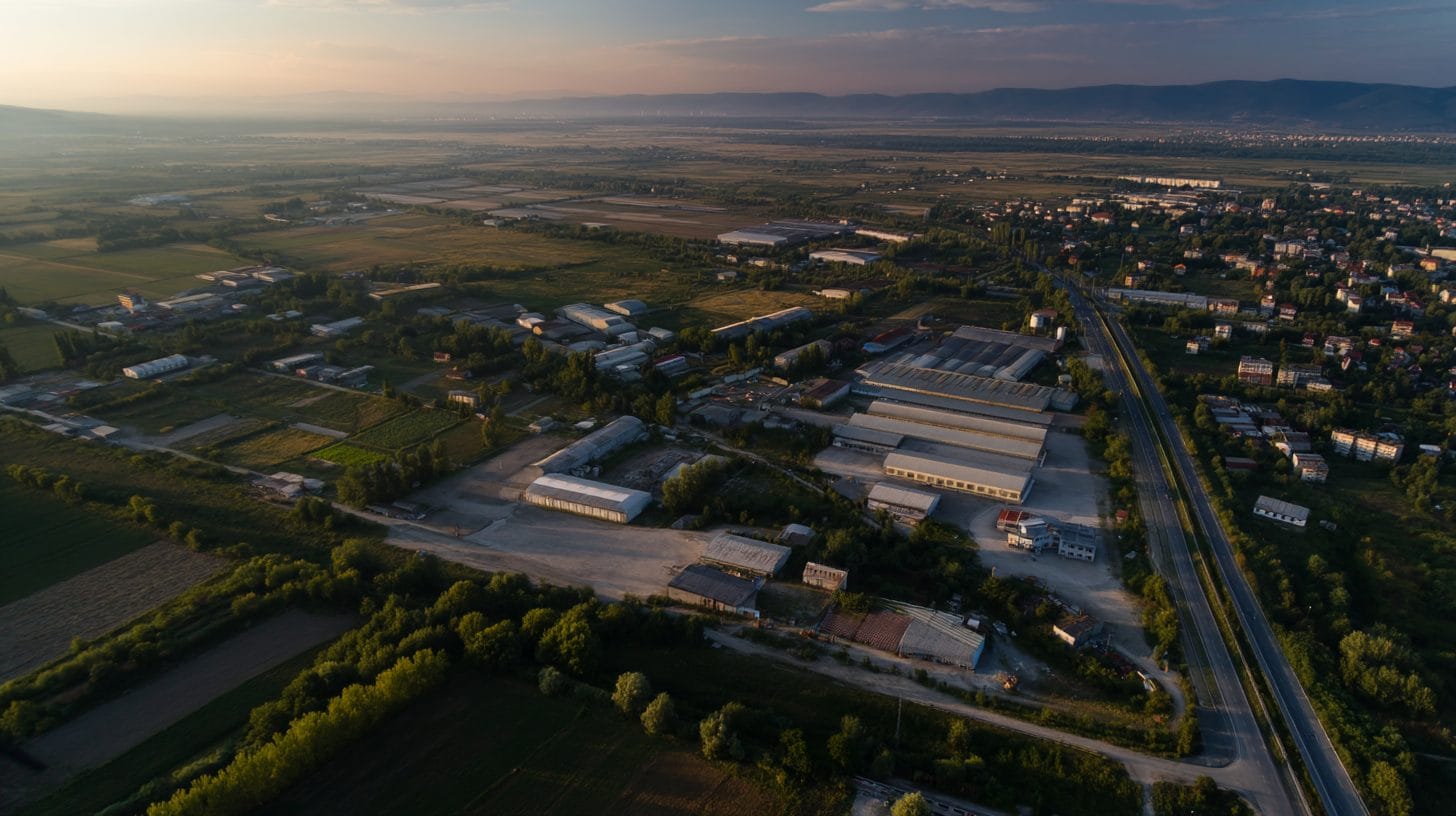
The Role of Big Data in Predicting Bucharest Property Market Trends
In recent years, the integration of big data into various industries has become a pivotal point for transformation, and the real estate sector is no exception. The advent of big data technologies has revolutionized how real estate professionals analyze market trends, make informed decisions, and anticipate future developments. In Bucharest, the bustling capital of Romania, the application of big data plays a significant role in shaping property market trends, offering unique insights and predictive analytics that can dramatically influence investment opportunities and urban development strategies.
Understanding Big Data
Big data refers to the immense volume of structured and unstructured data generated by people, devices, and systems. This data is characterized by its high velocity, variety, and volume, making traditional data processing tools unsuitable for deriving meaningful insights. In the context of real estate, big data encompasses information from various sources, including transaction histories, social media activity, economic indicators, geographic data, demographic statistics, and real-time market analyses.
The significance of big data in predicting Bucharest property market trends lies primarily in its ability to uncover patterns and correlations that might be overlooked through conventional analysis. By utilizing sophisticated algorithms and data analytics techniques, real estate professionals can extract actionable insights that guide their investment decisions, property valuations, and marketing strategies.
Key Sources of Big Data for Bucharest Property Trends
A wide range of data sources contributes to the analysis of Bucharest property trends. Some of the most prominent are:
1. Online Property Listings: Websites featuring property listings, such as imobiliare.ro and olx.ro, provide rich datasets that include property types, prices, locations, and durations on the market. By analyzing this data, professionals can ascertain common pricing trends and the demand for specific neighborhoods.
2. Economic Indicators: Metrics such as GDP growth, unemployment rates, and inflation levels directly influence property values and overall market sentiment. By examining these factors, analysts can derive important correlations between economic conditions and real estate dynamics.
3. Demographic Data: Understanding the population trends in Bucharest is crucial to predicting property demand. Data on population density, income levels, age distribution, and migration patterns allow real estate professionals to identify emerging hotspots and future demand centers.
4. Social Media: Social media platforms generate vast amounts of user-generated content that can provide insights into consumer preferences, neighborhood sentiments, and trends in lifestyle choices. By monitoring conversations and engagement levels, real estate professionals can enhance their marketing strategies and target potential buyers effectively.
5. Geographic Information Systems (GIS): GIS enables the evaluation of spatial data, helping analysts to visualize relationships between property prices and location attributes, such as proximity to schools, parks, public transport, and commercial centers. This spatial analysis aids in understanding demand drivers within Bucharest.
Predictive Analytics in Bucharest Property Market
The ability to leverage big data for predictive analytics has emerged as a critical asset for real estate investors, developers, and agents in Bucharest. By synthesizing data from various sources, predictive models can forecast future property values, rental prices, and market demands with a higher degree of accuracy.
1. Price Forecasting: By employing linear regression models and machine learning algorithms on historical pricing data, analysts can project future price movements for different types of properties in Bucharest. This enables investors to make informed decisions on when to buy or sell assets based on market cycles.
2. Demand Prediction: Predictive analytics can identify future demand for specific types of properties by analyzing demographic shifts, economic trends, and urban development plans. For instance, as Bucharest experiences an influx of young professionals, there may be an increased demand for modern apartments in city-center locations.
3. Risk Assessment: For investors entering the Bucharest property market, understanding associated risks is paramount. Big data analytics allows for the assessment of potential risks linked to property investments, including fluctuations in property values, changing neighborhood characteristics, and government regulations that may affect property development.
4. Investment Optimization: Investors can enhance their portfolios by utilizing big data insights to identify high-potential markets and undervalued properties. By analyzing historical trends and current market conditions, big data helps investors allocate their resources more strategically.
Implementing Big Data Strategies in Bucharest
Success in leveraging big data for predicting Bucharest property trends necessitates a strategic approach. Here are some key methodologies for implementing big data strategies effectively:
1. Data Integration: Real estate professionals need to encourage collaboration across departments and consolidate data from various sources. The combination of market research intelligence, customer feedback, and transactional history can yield a complete picture of trends affecting Bucharest.
2. Advanced Analytics Tools: Utilizing advanced analytics software and platforms, such as predictive modeling tools and visualization dashboards, is essential for processing large datasets and translating analytics into actionable insights.
3. Continuous Learning: The property market is dynamic, and trends can shift rapidly. Real estate professionals must adopt a mindset of continuous learning, constantly updating their models and adjusting strategies based on new data inputs and evolving market conditions.
4. Collaboration with Data Scientists: Building teams that incorporate data scientists and analysts can help real estate firms fully harness the potential of big data. These specialists can assist in developing predictive models, conducting in-depth analyses, and providing insights that inform strategic decisions.
Conclusion
The emergence of big data has fundamentally transformed the way real estate professionals in Bucharest approach property market trends. Through sophisticated analytics, predictive modeling, and insightful data interpretation, investors can make more informed decisions and strategically navigate an increasingly competitive market. As technology continues to evolve, the role of big data in shaping the future of the Bucharest property landscape will undoubtedly expand further, providing stakeholders with the tools required to capitalize on new opportunities.
By keeping abreast of big data Bucharest property trends, real estate professionals will not only gain a competitive edge but also contribute to the overall growth and development of the city’s dynamic property market. In doing so, they will be better equipped to anticipate market shifts, satisfy consumer demand, and drive sustainable growth in Bucharest’s real estate sector.
Interested in Land Investment in Romania?
We specialize in high-yield land and property opportunities for serious investors.
VIEW OUR CURRENT PORTFOLIOSecure your investment with Land For Investors.

Published: February 19, 2025