

The Pros and Cons of Raw Land vs. Developed Land on Bucharest’s Ring Road
In recent years, Bucharest’s Ring Road has experienced significant development and transformation, making it one of the city’s most sought-after areas for real estate investment. Investors are faced with a pivotal decision when contemplating property acquisition: should they invest in raw land or developed land? This article takes an in-depth look at the advantages and disadvantages of both options, specifically within the context of the Bucharest Ring Road.
Understanding Raw vs Developed Land
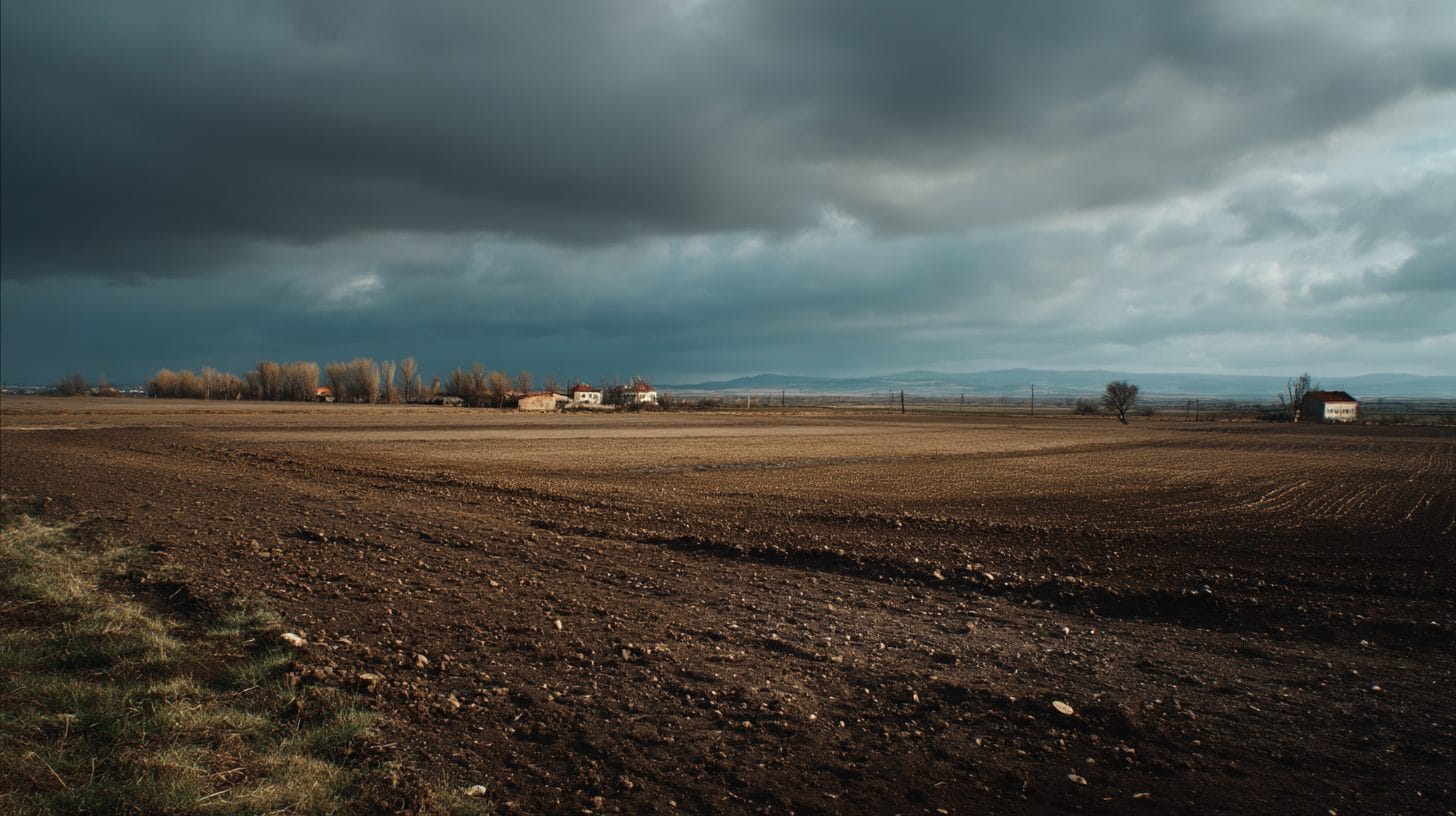
Raw land refers to undeveloped, vacant land that lacks essential utilities, such as water, electricity, and sewage systems. Typically, raw land appears as open fields, forested areas, or vacant lots, presenting investors with a blank canvas for potential development. Conversely, developed land refers to properties that have already undergone the necessary construction and development processes. This includes residential, commercial, or industrial buildings, along with access to essential utilities and infrastructure.
Pros and Cons of Raw Land on Bucharest’s Ring Road
Advantages of Raw Land
1. Lower Acquisition Costs: One of the most attractive aspects of raw land is its relatively lower price point compared to developed land. Investors may find significant bargains, especially in areas perceived as less desirable. This lower barrier to entry can be an appealing option for those looking to enter the Bucharest real estate market, particularly first-time investors.
2. Flexibility for Development: Raw land provides investors with unmatched flexibility when it comes to design and development. Investors can tailor the land to meet their specific vision, whether that includes residential units, commercial properties, or mixed-use developments. In a rapidly evolving area like Bucharest’s Ring Road, this adaptability can lead to lucrative opportunities.
3. Potential for Appreciation: As infrastructure and population growth continue to expand along the Ring Road, the value of raw land has the potential to appreciate significantly. Additionally, zoning regulations can change, allowing for higher-density developments that could result in a substantial increase in property value. Savvy investors who purchase raw land early may reap the benefits of this appreciation as the area develops.
4. Tax Benefits: Purchasing raw land can offer specific tax advantages, including property tax deductions for land maintenance expenses. Some investors leverage raw land as an investment strategy to defer tax payments, allowing for greater capital growth.
Disadvantages of Raw Land
1. Development Risk: One of the primary drawbacks of raw land is the inherent risk associated with developing it. Investors must conduct thorough due diligence to understand zoning regulations, establish access to utilities, and navigate environmental concerns. These challenges can result in additional costs and delays, potentially impacting the overall return on investment.
2. Longer Time to Market: Raw land may take longer to generate income, as building and zoning approvals can be time-consuming processes. Investors who require quick cash flow may find raw land less ideal, as it can take months or years to develop a project and bring it to market.
3. Limited Financing Options: Traditional financing for raw land purchases can be more challenging to obtain compared to developed properties. Lenders may perceive raw land as a higher-risk investment due to the lack of income generation, leading to stricter lending terms or higher interest rates.
Pros and Cons of Developed Land on Bucharest’s Ring Road
Advantages of Developed Land
1. Immediate Income Generation: One of the most significant advantages of investing in developed land is the immediate cash flow it can provide. Existing structures can generate rental income almost immediately, making it an excellent option for investors looking to achieve quick returns.
2. Reduced Development Risks: Investing in developed land minimizes many risks tied to the development process. The infrastructure is already in place, and zoning regulations have been established, reducing uncertainties regarding the project’s viability. This predictability makes developed land a less risky investment overall.
3. Easier Financing Options: Lenders tend to favor developed properties, offering more favorable financing terms and lower interest rates. Investors can leverage existing structures to secure better financing options when compared to acquiring raw land.
4. Established Market Demand: Developed land often benefits from established market demand, especially in high-traffic areas like Bucharest’s Ring Road. Strong existing demand can lead to increased property value and reliable income generation, appealing to seasoned investors.
Disadvantages of Developed Land
1. Higher Acquisition Costs: Purchasing developed land typically comes with a substantially higher price tag than raw land. This barrier can deter potential investors, particularly those on a tighter budget or looking for smaller-scale investment opportunities.
2. Limited Flexibility: Investors purchasing developed land may have limited flexibility regarding future modifications or expansions. Existing structures may impose design constraints that limit the potential to modify or repurpose the property to align with evolving market trends.
3. Maintenance Responsibilities: Developed properties often come with ongoing maintenance responsibilities, including repairs and property management. These responsibilities can add to operational costs and may require additional manpower or resources to manage effectively.
4. Market Saturation Risks: In highly developed regions, demand may plateau or even decline, leading to potential challenges in property appreciation. Investors must stay vigilant and continuously analyze market trends to avoid saturation.
Conclusion
When evaluating the pros and cons of raw land versus developed land along Bucharest’s Ring Road, potential investors must weigh their unique circumstances, investment objectives, and risk tolerance. Raw land offers lower acquisition costs, flexibility in development, and the potential for long-term appreciation but comes with its own risks and uncertainties. On the other hand, developed land tends to generate immediate income, presents reduced risks, and offers more favorable financing options, albeit at a higher cost.
Ultimately, understanding the dynamics of the Bucharest real estate market and conducting comprehensive due diligence are essential for making an informed investment decision. Whether opting for raw land or developed land, investors who strategically navigate these choices can capitalize on the ongoing development of Bucharest’s Ring Road and position themselves for success in this rapidly evolving landscape.
Interested in Land Investment in Romania?
We specialize in high-yield land and property opportunities for serious investors.
VIEW OUR CURRENT PORTFOLIOSecure your investment with Land For Investors.

Published: March 21, 2025