

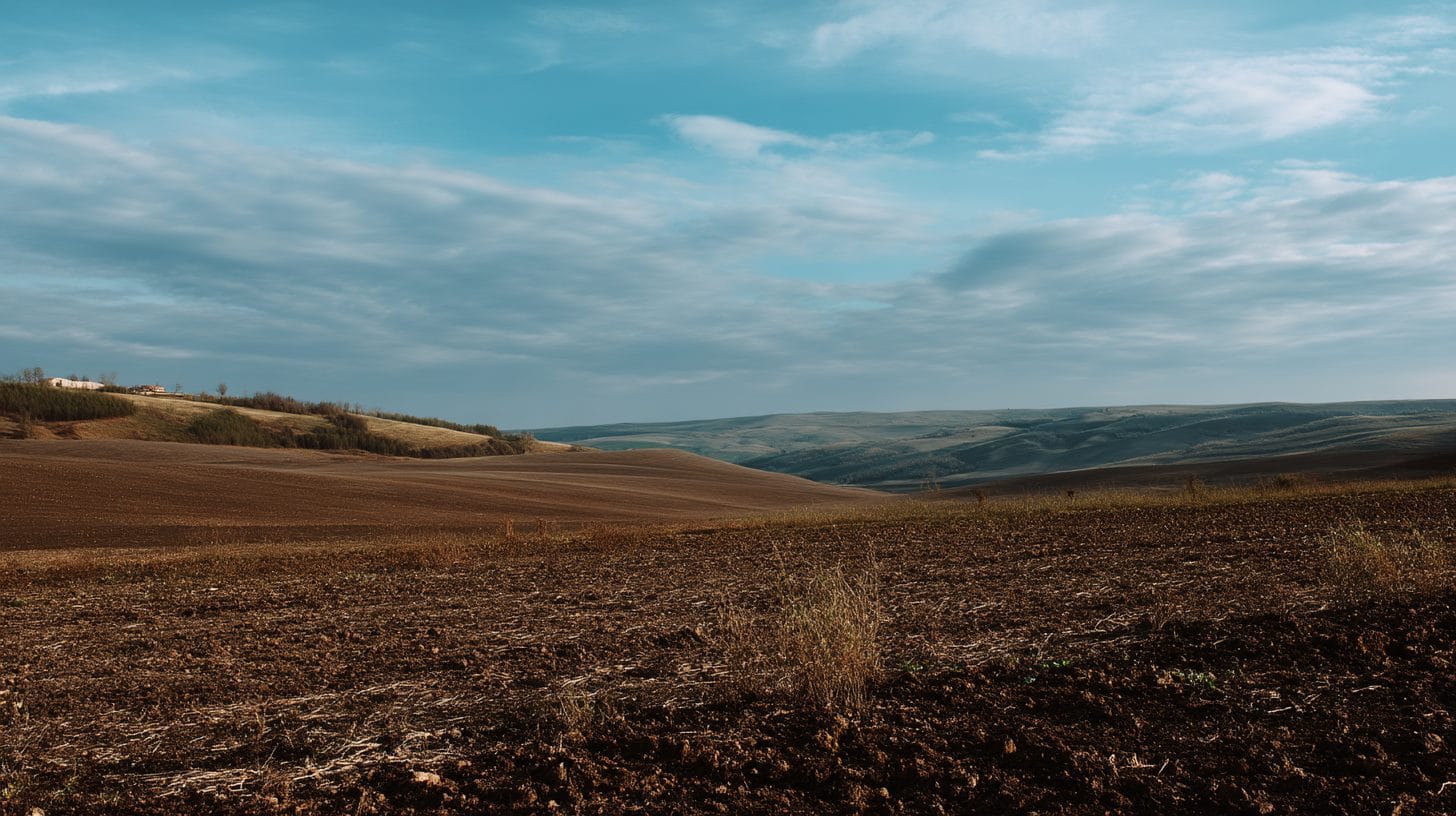
The Pros and Cons of Buying Land Versus Developed Property Near Bucharest
As Bucharest evolves into a modern urban hub with an increasingly attractive real estate market, investors face pivotal decisions that can significantly impact their portfolios. One of the most critical decisions is whether to invest in raw land or developed property near Bucharest. This comprehensive guide delves deep into the pros and cons of buying land versus developed property in this vibrant area, providing prospective buyers with insights to inform their investment decisions.
Understanding the Real Estate Landscape Around Bucharest
Bucharest, the capital of Romania, has seen an influx of both local and international investments in recent years. The city’s growth, characterized by an expansion of its infrastructure, population, and economy, has created opportunities for both residential and commercial real estate development. Factors such as proximity to business districts, availability of resources, and transport connectivity play significant roles in shaping the real estate market in Bucharest and its periphery.
With this context in mind, it’s crucial to evaluate the advantages and disadvantages of investing in land versus developed properties. The ultimate choice depends on the investor’s objectives, risk tolerance, and market conditions.
Pros of Buying Land Near Bucharest
1. **Customization Potential**: One of the most compelling advantages of purchasing land is the opportunity for customization. Investors can design their properties according to personal or market demands without having to remodel or renovate existing structures. This option is particularly appealing for those looking to build bespoke homes or business spaces that cater precisely to their envisioned specifications.
2. **Lower Initial Investment Costs**: Generally, buying land can be more affordable than acquiring developed property. The cost per square meter of raw land tends to be lower than that of built properties. This lower entry point allows buyers to invest more capital into construction and development, potentially leading to higher returns.
3. **Long-Term Investment Value**: At times, investing in land presents a unique opportunity for long-term value appreciation. As Bucharest continues to expand, areas that were once considered remote may develop into desirable residential or commercial locations. This aspect means that land could potentially increase substantially in value over the years.
4. **Less Competition**: The market for vacant land can be less competitive than the market for developed properties, particularly in emerging areas surrounding Bucharest. This relative scarcity may lead to more advantageous pricing situations for savvy investors.
5. **Tax Benefits**: Owning land sometimes provides various tax benefits, depending on local regulations and zoning laws. Investors can research tax incentives associated with land ownership that could play a role in long-term savings.
Cons of Buying Land Near Bucharest
1. **Uncertain Development Timelines**: One significant disadvantage of buying land is the uncertainty involved with construction and development timelines. Factors such as obtaining necessary permits, environmental concerns, and contractor availability may extend the project timeline, delaying potential revenue generation.
2. **Higher Risk**: Investing in land can be riskier, especially without a clear market demand or well-structured development plan. Economic downturns or changes in local government policies can adversely affect property values and hinder resale potential.
3. **Maintenance and Upkeep**: While developed properties require upkeep and repairs, raw land also requires maintenance to preserve its value. Regular management of weeds, access roads, and erosion controls can incur ongoing costs, particularly in rural areas.
4. **Financing Difficulties**: Obtaining financing for land purchases can be more challenging than for developed properties. Lenders may have stringent requirements for land purchases due to its speculative nature, leading to fewer financing options for investors.
Pros of Buying Developed Property Near Bucharest
1. **Immediate Income Generation**: One of the most attractive aspects of purchasing developed property is the ability to generate income immediately. Whether through renting commercial space or leasing residential units, owners can start receiving revenue shortly after acquisition, bolstering cash flow.
2. **Established Infrastructure**: Developed properties benefit from existing infrastructure, including utilities, roads, and local amenities, leading to reduced upfront costs associated with development. This can create a more seamless transition into property ownership.
3. **Lower Risk**: Compared to raw land, investing in developed property often carries lower risks, especially in established neighborhoods with strong demand. The historical performance of properties can also provide insights for forecasting short- and long-term value.
4. **Tax Incentives for Rentals**: Investors in developed properties can take advantage of various tax deductions related to property management, maintenance expenses, and depreciation. These benefits can improve overall returns on investment.
5. **Market Demand**: The demand for developed properties within the Bucharest area has been consistent, driven by both locals and expatriates seeking housing and office space. This demand makes developed property a more stable investment choice.
Cons of Buying Developed Property Near Bucharest
1. **Higher Initial Investment**: Developed properties typically have a much higher acquisition cost than vacant land. The initial capital outlay can deter some investors, especially those with limited resources.
2. **Renovation and Maintenance Costs**: Existing properties may require renovations, repairs, or ongoing maintenance, leading to unexpected expenses that could limit profitability or increase time and labor investment.
3. **Market Saturation Risk**: Areas within Bucharest may face saturation with too much developed property, contributing to market risks. If the supply outpaces demand, property values could stagnate or decrease.
4. **Limited Customization Opportunities**: Purchasing developed property often means that customization options are limited compared to building on raw land. Investors may have to compromise on certain design aspects or incur costs to modify existing structures.
5. **Stringent Regulations**: Developed properties may come with various regulatory requirements, such as permit compliances, zoning restrictions, or existing lease agreements. Failure to understand these pre-existing conditions could complicate future objectives.
Conclusion
When considering the decision on land versus developed property in Bucharest, it’s crucial for investors to weigh the pros and cons thoroughly. Starting with a clear understanding of personal investment goals and risk tolerance will aid in making informed decisions. Each investment type carries its unique benefits and challenges, and the choice should align with your long-term vision for real estate within a rapidly growing market like Bucharest.
Ultimately, whether you lean towards purchasing raw land for bespoke development or opt for an income-generating property, understanding the nuances of each option will contribute to a successful investment in the dynamic Bucharest real estate landscape.
Interested in Land Investment in Romania?
We specialize in high-yield land and property opportunities for serious investors.
VIEW OUR CURRENT PORTFOLIOSecure your investment with Land For Investors.

Published: February 19, 2025