

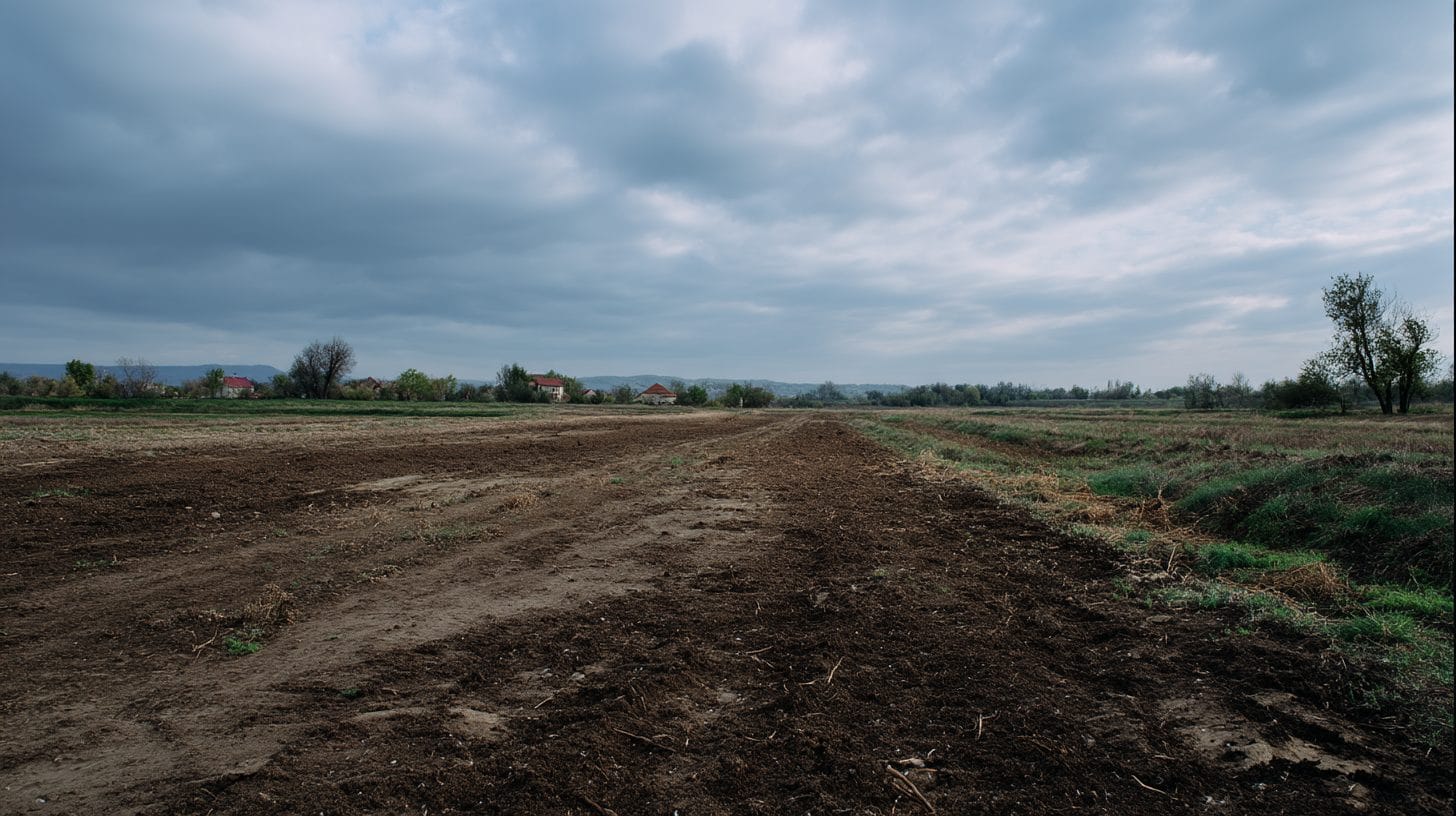
The Importance of Environmental Impact Assessments for Land on Bucharest’s Ring Road
In urban planning and development, the environmental impact assessment (EIA) serves as a crucial tool for understanding the potential consequences of proposed projects. This process is particularly significant for developments situated along Bucharest’s Ring Road, a vital transportation artery that not only facilitates the flow of goods and people but also intersects with various ecosystems and communities. As Bucharest continues to grow, the need for comprehensive environmental impact assessments of land on the Bucharest Ring Road becomes increasingly urgent, ensuring sustainable development while mitigating negative environmental consequences.
Bucharest’s Ring Road, designed to alleviate traffic congestion in the city center, plays an essential role in the city’s transport infrastructure. However, with urbanization comes the responsibility to balance development with environmental stewardship. The scope of land along the Ring Road is diverse, ranging from industrial and commercial zones to residential areas and green spaces. Each of these land types presents distinct ecological and social challenges that necessitate thorough analysis and consideration.
The environmental impact assessments for land on Bucharest’s Ring Road serve multiple important purposes. Firstly, EIAs provide a systematic approach to identifying potential environmental effects, including changes in local ecosystems, air and water quality, and noise pollution. This proactive assessment helps stakeholders understand how new developments might disturb the delicate balance of Bucharest’s urban environment. By examining the potential impacts on flora and fauna, community health, and local resources, developers can make informed decisions on project design that minimize adverse effects.
Furthermore, an EIA is a valuable communication tool that fosters transparency and public engagement. Engaging the community during the EIA process is crucial, as local residents often possess profound insights into their environment and have valuable perspectives on proposed developments. This grassroots involvement not only enhances the EIA’s quality but also promotes public trust in the decision-making process. By including feedback from residents, developers can create projects that align with community interests, thereby strengthening the socio-economic fabric of neighborhoods situated along the Ring Road.
The legal framework in Romania underscores the importance of EIAs within the realm of land use and urban planning. Complying with national and EU environmental regulations ensures that projects along the Ring Road are not only legally permissible but also environmentally responsible. Inclusion of sustainability practices into the development process helps to protect and preserve the rich biodiversity and natural resources of Romania while allowing Bucharest to thrive as an urban center.
Contemporary challenges such as climate change further accentuate the necessity of performing environmental impact assessments for land on Bucharest’s Ring Road. As weather patterns become increasingly unpredictable, urban planners and developers can benefit from using EIAs to anticipate natural disasters and evaluate how projects can contribute to climate resilience. This foresight aids in crafting sustainable infrastructure that can withstand extreme weather events, thereby safeguarding both people and property.
The methodology of conducting an EIA is thorough and multifaceted and typically involves several stages. The preliminary stage entails screening to determine whether an assessment is required. Once deemed necessary, scoping is performed to define the key issues and impacts of concern. The subsequent phases involve data collection, impact analysis, consideration of alternatives, and drafting of the EIA report, which will detail the anticipated environmental effects alongside mitigation strategies. This report should then be reviewed by authorities and stakeholders to ensure it meets regulatory standards and addresses community concerns.
Moreover, the land along Bucharest’s Ring Road is a dynamic area that is continuously evolving due to various factors, including economic development, population growth, and changing land use needs. Conducting continual environmental assessments can provide updated data that reflects current conditions, allowing for adaptive management of urban development. Follow-up assessments can track the effectiveness of mitigation measures and reveal the long-term sustainability of developments.
Mitigation measures are an integral aspect of the EIA process; they provide a roadmap for minimizing adverse impacts on the environment. By implementing these recommendations, developers can work towards treating local ecosystems with the respect they deserve, ensuring that urbanization does not come at the cost of environmental degradation. Strategies might include creating green buffers between developments and natural habitats, implementing sustainable drainage systems to manage stormwater runoff, or incorporating green building practices that minimize the carbon footprint of new structures.
The economic implications of EIAs for land on Bucharest’s Ring Road cannot be overstated. By identifying and mitigating potential environmental impacts upfront, developers can avoid costly setbacks that arise from non-compliance with regulations or public opposition to projects. Furthermore, environmentally conscious developments are increasingly favored by investors, as sustainability becomes a sought-after trait in real estate. Therefore, investing in comprehensive environmental impact assessments can translate into long-term financial viability and increased stakeholder satisfaction.
In conclusion, the importance of environmental impact assessments for land on Bucharest’s Ring Road is multifaceted. They ensure responsible stewardship of Bucharest’s urban and natural environments, promote community involvement, comply with legal obligations, and address contemporary challenges posed by climate change. Through diligent application of these assessments, Bucharest can foster sustainable growth that respects both people and the planet. As urban development continues to unfold along this crucial corridor, investing in robust environmental impact assessments becomes not just a regulatory necessity, but an ethical imperative. The path toward sustainable urbanization is paved with informed decisions that recognize and mitigate potential environmental impacts, ultimately leading to a healthier, more resilient Bucharest for generations to come.
Interested in Land Investment in Romania?
We specialize in high-yield land and property opportunities for serious investors.
VIEW OUR CURRENT PORTFOLIOSecure your investment with Land For Investors.

Published: March 22, 2025