

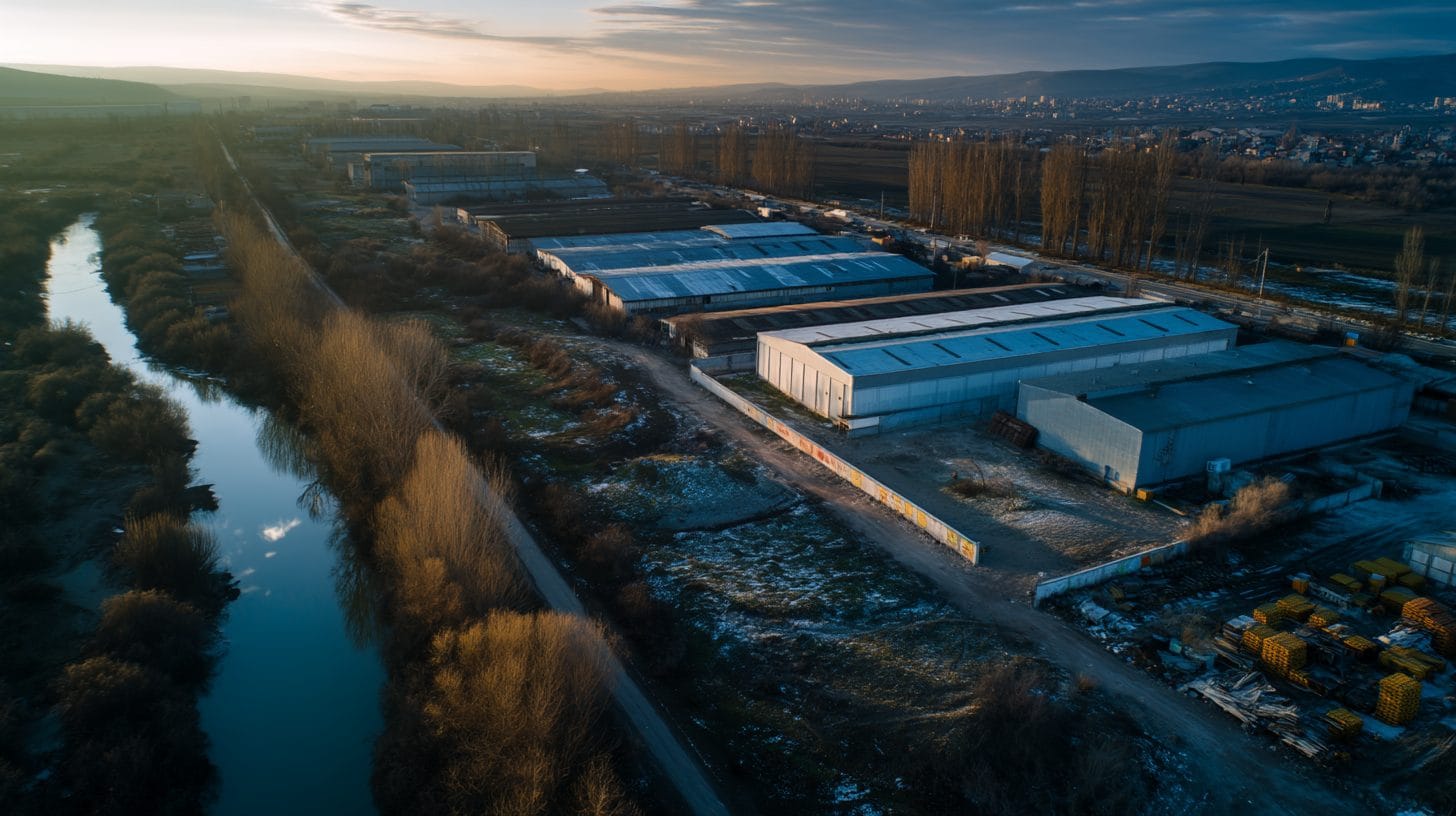
The Importance of Environmental Impact Assessments for Land on Bucharest’s Ring Road
In recent years, Bucharest’s rapid urbanization has spurred significant infrastructure developments, particularly around its ring road—a vital transportation artery that encircles the city. As projects proliferate, the importance of conducting thorough environmental impact assessments (EIAs) has become increasingly pronounced. These assessments are critical not only for complying with regulatory standards but also for ensuring the ecological sustainability of land in the area surrounding Bucharest’s ring road. This article delves into the importance of environmental assessments for land around Bucharest’s ring road, highlighting the advantages they provide, the process involved, and the overall implications for urban development and environmental conservation.
The Importance of Environmental Impact Assessments
Environmental impact assessments serve as a crucial tool in evaluating the potential environmental consequences of proposed developments. For land along Bucharest’s ring road, the significance of these assessments is multi-faceted. First and foremost, they serve to identify potential adverse environmental effects before the initiation of a project. This proactive approach is essential in minimizing harm to ecosystems, water sources, and air quality within the region. By evaluating the environmental risks associated with development, EIAs assist decision-makers in weighing the trade-offs between necessary economic progress and environmental preservation.
Furthermore, environmental assessments promote transparency and community engagement in the urban planning process. The methodology of conducting EIAs typically includes public consultations, allowing stakeholders and local residents to voice their concerns regarding potential development impacts. This participatory approach enhances trust between the community and developers, fostering a collaborative atmosphere to achieve mutually beneficial outcomes.
Another vital role of EIAs is their contribution to regulatory compliance. In Romania, like many other countries, environmental assessments are legally mandated for certain types of projects. By adhering to these regulations, developers not only avoid potential legal repercussions but also benefit from a streamlined permitting process. This demonstrates that EIAs are not just a bureaucratic requirement but also a strategic advantage in land development around Bucharest’s ring road.
Environmental Considerations for Land Along the Ring Road
The land surrounding Bucharest’s ring road presents unique ecological sensitivities. This area hosts diverse habitats, including urban green spaces, suburban areas, and various agricultural lands that contribute to the city’s ecological balance. Given this biodiversity, environmental assessments are necessary to evaluate how development projects might impact local flora and fauna. Key factors assessed in EIAs include air and water quality, noise pollution, and land use alterations, all of which can have significant repercussions on both the environment and public health.
Air quality is a pressing issue in densely populated urban areas like Bucharest. Construction activities and increased vehicular traffic often contribute to elevated emissions of pollutants. An environmental assessment can identify potential sources of air pollution and propose measures to mitigate these impacts, such as the implementation of green building practices or habitat restoration initiatives.
Water quality is another essential element that requires careful consideration in EIAs. Bucharest’s ring road area is intersected by waterways that can be adversely affected by runoff from construction sites. EIA processes should evaluate drainage patterns, sediment control, and the potential introduction of contaminants into local water bodies. Through careful planning, developers can incorporate sustainable practices that safeguard water quality.
Additionally, noise pollution generated from construction and increased traffic on the ring road can have profound effects on the quality of life of nearby residents. EIAs can evaluate various noise mitigation strategies, such as sound barriers or strategic site placement, aiming to reduce the impact of noise on local communities.
Challenges and Limitations
Despite the numerous benefits of environmental assessments for land on Bucharest’s ring road, various challenges and limitations persist. One of the primary obstacles is potential opposition from developers who may view EIAs as an impediment to economic progress. Some may argue that lengthy assessment processes can delay projects and increase costs, ultimately hindering investment. However, it is essential to recognize that the long-term benefits of thorough environmental evaluations outweigh these immediate concerns, as they prevent costly environmental degradation and promote sustainable development in the future.
Moreover, the effectiveness of an environmental assessment largely depends on the quality and accuracy of the data utilized in the process. Information can sometimes be outdated or incomplete, which may lead to inadequate evaluations of potential environmental impacts. Continuous collaboration between environmental scientists, urban planners, and local authorities is crucial to improving the effectiveness of EIAs and enhancing the overall quality of assessments.
Conclusion
As Bucharest continues to grow and evolve, the importance of conducting thorough environmental impact assessments for land around the ring road cannot be overstated. By identifying potential environmental risks, facilitating community engagement, and ensuring regulatory compliance, EIAs serve as critical tools in promoting sustainable urban development. They help to strike a balance between economic growth and environmental conservation, ultimately contributing to a more livable, resilient, and ecologically sound city.
Investing in robust environmental assessments not only enhances the legitimacy and success of development projects on Bucharest’s ring road but also preserves the invaluable natural resources that support the well-being of local communities. As urbanization accelerates, the insightful implementation of EIAs will be vital in shaping a sustainable future for Bucharest’s urban landscape. In summary, the integration of environmental assessments into land development practices along Bucharest’s ring road is an indispensable component of responsible and ethical urban planning.
Interested in Land Investment in Romania?
We specialize in high-yield land and property opportunities for serious investors.
VIEW OUR CURRENT PORTFOLIOSecure your investment with Land For Investors.

Published: March 24, 2025