

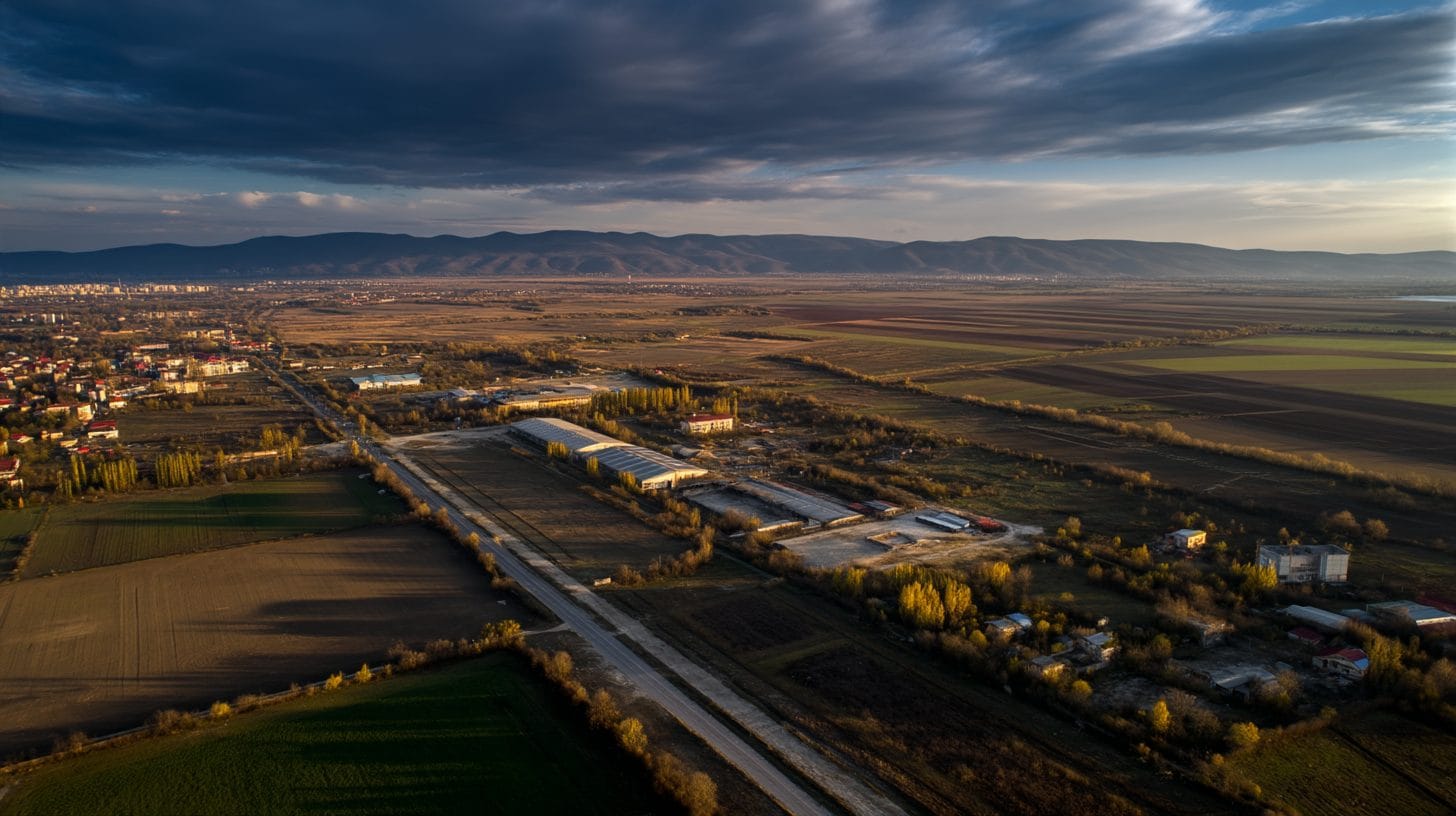
Title: The Impact of Regional Economic Trends on Land Prices on Bucharest’s Ring Road
In recent years, the intersection of regional economic trends and land prices has emerged as a vital topic for urban developers, investors, and policymakers, particularly along Bucharest’s Ring Road. As the economic landscape evolves, understanding these trends is crucial for stakeholders in one of Romania’s most dynamic urban areas. This article delves into how regional economic trends influence land prices along Bucharest’s Ring Road, examining various factors that contribute to property valuation in this critical area.
Bucharest’s Ring Road serves as a major artery, connecting different parts of the city and acting as a gateway for developments and investments. As regional economic trends impact both demand and supply in the real estate market, they shape the overall dynamics of land prices. The analysis of these trends provides insights into how land prices fluctuate and the underlying factors driving these changes.
One of the primary factors influencing land prices along Bucharest’s Ring Road is the economic growth in the region. With Romania experiencing steady economic progress in recent years, driven by strong consumption trends and an emerging digital economy, the demand for commercial and residential properties has surged. Investors have recognized the potential for high returns, prompting increased interest in land acquisition along the Ring Road. This heightened demand translates into rising land prices as developers seek to capitalize on lucrative opportunities.
Furthermore, Bucharest’s strategic geographical position within Romania and its evolving role as a regional business hub significantly impacts land prices on the Ring Road. Proximity to transportation networks, industrial zones, and business districts enhances the appeal of land in this area. As companies expand their operations and seek new locations for logistics and distribution centers, the demand for land continues to escalate, further driving up property values.
Another critical regional economic trend affecting land prices is infrastructure development. The Romanian government, in collaboration with European Union funding, has prioritized substantial investments in infrastructure projects, particularly in transportation. Expanding road networks, improving public transport, and enhancing connectivity not only attract businesses but also lead to an increase in land value. As accessibility improves, land prices along the Ring Road are likely to rise, reflecting the growing desirability of these locations for both commercial and residential developments.
The socio-economic demographics of Bucharest also play a crucial role in shaping land prices along the Ring Road. A young, urban population with increasing purchasing power contributes to the growing demand for housing and commercial spaces. As the population continues to migrate to urban areas in search of job opportunities and improved quality of life, the appetite for real estate increases, thereby influencing land prices. Developers must align their projects with the needs and preferences of this demographic to successfully tap into the rising demand.
Additionally, the emergence of various regional economic trends, such as remote work and the digital transformation, has reshaped the real estate market landscape. More companies are adopting flexible working practices, prompting a shift in housing demands. New residential areas and mixed-use developments along Bucharest’s Ring Road are increasingly appealing to those looking for proximity to work, coupled with accessible amenities. As a result, the trend towards urbanization and integrated developments drives land prices higher in strategic locations along the Ring Road.
The character of land use adjacent to Bucharest’s Ring Road also impacts pricing dynamics. Industrial zones, logistics hubs, commercial centers, and residential projects are developing side by side, creating a diverse real estate ecosystem. Land intended for mixed-use developments generally commands higher prices, reflecting growth potential. Understanding land use regulations and zoning laws is essential for potential buyers, as they dictate the type of developments allowed and can significantly influence future land values.
Additionally, the real estate market along Bucharest’s Ring Road is influenced by broader national and international economic factors. Global economic trends, notably fluctuations in foreign investment, can impact land prices and property values. As international investors increasingly eye the Romanian market, the resultant influx of capital can lead to competitive bidding for desirable land parcels. This situation further escalates land prices along the Ring Road, making it essential for local stakeholders to stay informed about international market trends.
Environmental sustainability has also emerged as an increasingly influential trend, affecting land prices along Bucharest’s Ring Road. The shift towards sustainable development is crucial in response to the challenges of climate change. Buyers and tenants alike are becoming more conscious of their environmental impact, preferring spaces that incorporate sustainable practices. Properties showcasing energy efficiency and eco-friendly designs generally command higher market prices, compelling developers to adapt to these changing expectations.
Finally, the impact of government policies and economic incentives cannot be understated when considering regional economic trends and land prices along Bucharest’s Ring Road. Tax incentives, regulatory support for development projects, and investment in urban regeneration initiatives reshape the real estate landscape. Policymakers must ensure that comprehensive urban planning incorporates the evolving economic trends to support equitable growth.
In conclusion, the interplay between regional economic trends and land prices along Bucharest’s Ring Road creates a complex yet vital environment for developers, investors, and residents alike. With continued economic growth, infrastructure development, demographic shifts, and changing consumer preferences, understanding these trends will play a critical role in navigating the future of land and property in this dynamic urban area. Keeping abreast of these regional economic trends can provide invaluable insights as stakeholders engage in decision-making processes, ensuring they maximize their opportunities in Bucharest’s ever-evolving real estate market. As the city continues to expand, the importance of being adaptable to economic changes cannot be emphasized enough, making it imperative for all involved to remain informed and proactive in their approach to development and investment strategies along Bucharest’s Ring Road.
Interested in Land Investment in Romania?
We specialize in high-yield land and property opportunities for serious investors.
VIEW OUR CURRENT PORTFOLIOSecure your investment with Land For Investors.

Published: March 23, 2025