

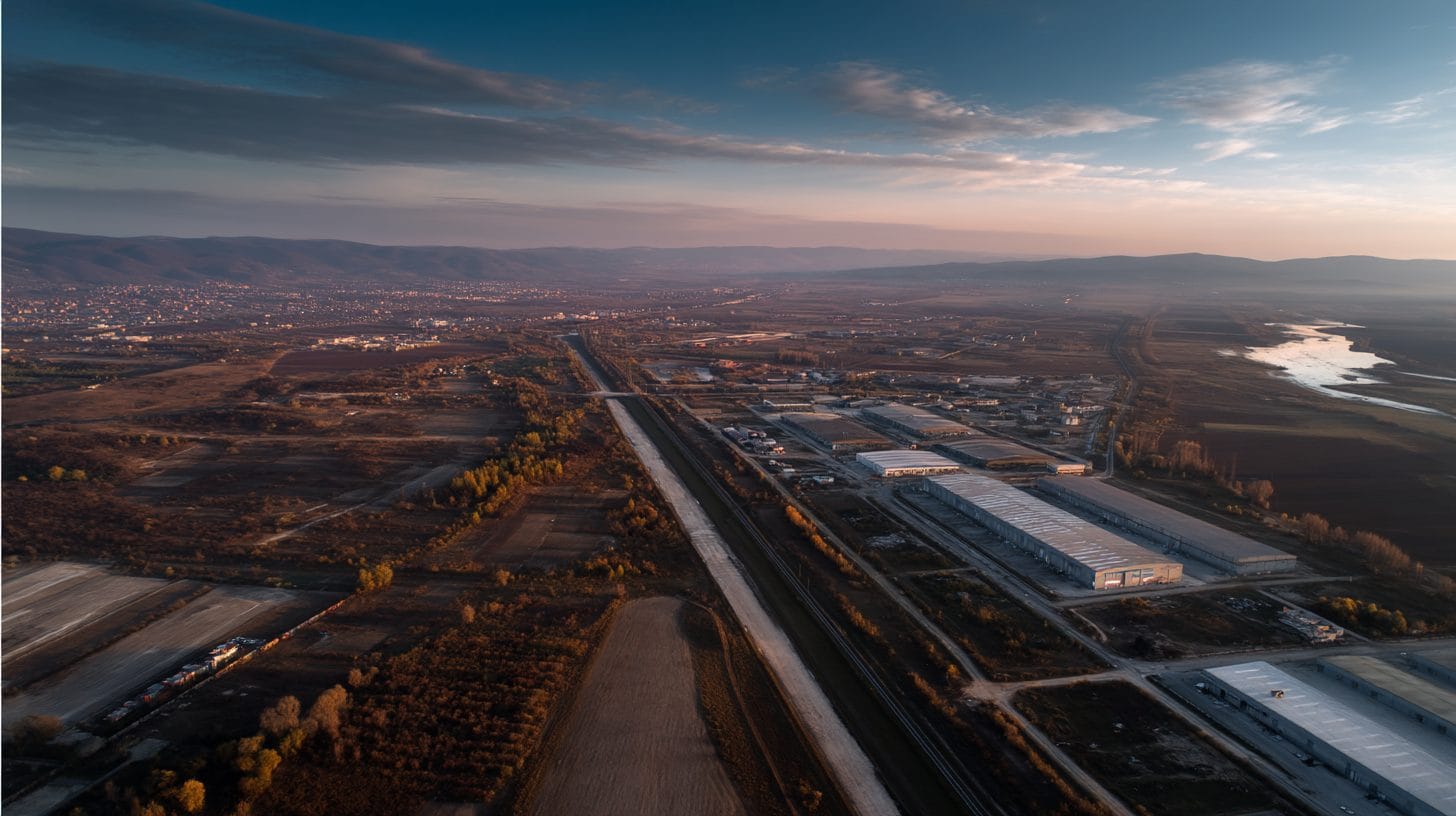
The Impact of Regional Economic Trends on Land Prices Near Bucharest
As we delve into the complexities of regional economic trends and their influence on land prices, it is essential to focus on the dynamic landscape surrounding Bucharest, Romania’s capital city. This economic center has become a focal point for various factors that govern land prices, offering rich opportunities and challenges for investors, urban planners, and residents alike. This article aims to shed light on how these regional economic trends shape the real estate market, particularly in the context of land prices near Bucharest.
Understanding Regional Economic Trends
Regional economic trends refer to the patterns of economic growth, development, and fluctuation that are observed within specific geographic locations. These trends can encompass a range of indicators including employment rates, income levels, agricultural productivity, industrial output, and investment climates. In the context of Bucharest, these trends are crucial as they directly impact land prices, investment opportunities, and urban development.
Bucharest has experienced significant economic growth over the past decade, emerging as a regional hub for business, finance, and technology. This growth has not only attracted foreign direct investment but has also stimulated local enterprises and increased job opportunities. Such economic proliferation invariably influences residential and commercial real estate markets, leading to fluctuations in land prices.
The Role of Infrastructure Development
One of the most significant factors affecting land prices near Bucharest is the ongoing infrastructure development. The Romanian government has committed to enhancing transport networks, including roads, railways, and public transit systems. Improved accessibility to Bucharest enhances the attractiveness of surrounding areas for both residential and commercial purposes. As infrastructure developments accelerate, so do land prices, particularly in areas designated for future expansion or high density.
For example, the development of the Bucharest Beltway has made previously less accessible areas more attractive for urban sprawl. Consequently, land prices in these regions have seen a considerable uptick, promoting a surge in residential projects and closer proximity to the capital. This trend is further amplified when adjacent businesses see potential for development, leading to a ripple effect in land valuation.
Population Growth and Urbanization
Another vital element in the discourse of regional economic trends influencing land prices near Bucharest is population growth and urbanization. The steady influx of people moving to Bucharest for work, education, and lifestyle improvements has led to an increased demand for residential real estate. This population surge is driven by both local rural migration and international immigration, leading to higher housing needs and subsequently, escalating land prices.
As the metropolitan area expands to accommodate this growing population, developers look to purchase land outside of the city’s central districts where space is limited and expensive. As a result, land on the fringes of Bucharest, such as in towns like Voluntari, Otopeni, and Pantelimon, has become increasingly sought after, leading to a remarkable rise in land prices across these regions.
Economic Diversification and Industry Growth
Economic diversification plays a fundamental role in shaping land prices near Bucharest. With burgeoning industries such as technology, logistics, and manufacturing, there is a steady demand for commercial spaces. Manufacturing zones and technology parks being set up in surrounding areas have triggered a reevaluation of land value. Investors looking to capitalize on the growth of these industries may be more inclined to invest in land that provides strategic advantages such as proximity to transportation networks or skilled labor pools.
In recent years, Bucharest has seen growth in tech startups, contributing significantly to its reputation as a tech hub. The establishment of technology parks has not only propelled local businesses but has also attracted multinational companies, leading to demand for both residential and commercial land. Analysis shows that regions accommodating tech firms have seen a surge in land prices as investors anticipate long-term returns from increasing economic activity.
Speculation and Investment Trends
Speculative behavior also plays an important role in the land prices near Bucharest. Investors keen on capitalizing on regional economic trends often influence land values through their purchasing decisions. The optimism surrounding economic forecasts, property developments, and demographic shifts can create a speculative bubble. When investors perceive potential for growth in certain areas, it can lead to a rapid increase in demand for land, ultimately driving prices up.
However, it is essential to note that speculation, while sometimes beneficial, can also lead to market volatility. When investors focus on short-term gains, it may result in an unsustainable rise in land prices, pricing out potential residential buyers and smaller local developers. Understanding these speculative trends is paramount for stakeholders in the real estate sector, as they navigate the unpredictable nature of land prices driven by market sentiment.
Government Policies and Economic Incentives
Lastly, government policies geared towards promoting economic development have a substantial impact on land prices near Bucharest. Incentives for business startups, tax breaks for foreign investors, and funding for infrastructure projects establish a favorable environment for growth. These measures not only encourage investment in the capital but also promote the development of suburban areas, further driving land prices.
Regional economic development strategies that enhance land use and zoning regulations can facilitate growth opportunities. As the government enacts policies that support sustainable development, real estate investors must remain agile, adapting their strategies to align with regulatory frameworks and market demands.
Conclusion
The impact of regional economic trends on land prices near Bucharest is profound and multifaceted. As population growth, infrastructure development, industry diversification, and government policies converge, land prices are inevitably influenced by these interconnected factors. Understanding these dynamics equips investors, planners, and stakeholders with the insights necessary to navigate and capitalize on the evolving real estate landscape.
For anyone engaged in the Bucharest property market, staying informed about these regional economic trends is essential. Keeping an eye on demographic shifts, infrastructure developments, and economic policies will provide a competitive edge as one assesses the potential of land investments and their long-term sustainability. The continuous evolution of Bucharest’s economic landscape promises to present opportunities and challenges alike, underscoring the importance of strategic planning in real estate endeavors. As we move forward in this rapidly transforming environment, the knowledge of how these regional economic trends influence land prices will remain a cornerstone of effective property investment strategies.
Interested in Land Investment in Romania?
We specialize in high-yield land and property opportunities for serious investors.
VIEW OUR CURRENT PORTFOLIOSecure your investment with Land For Investors.

Published: March 14, 2025