

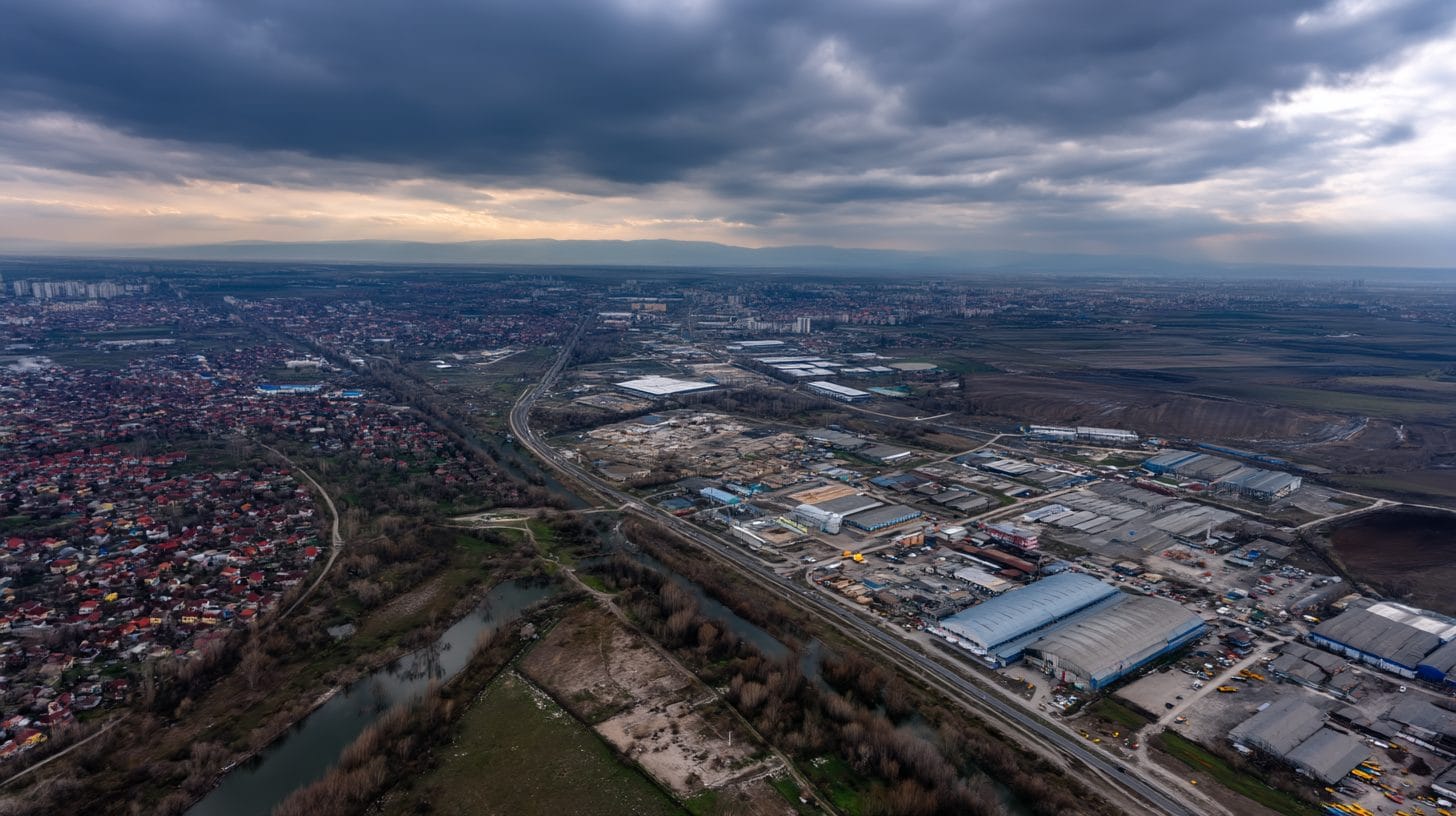
The Impact of Global Economic Trends on Land Prices Along Bucharest’s Ring Road
As a rapidly developing urban center, Bucharest is experiencing significant changes that are intricately tied to global economic trends. One of the most significant aspects of this transformation is the fluctuation of land prices along Bucharest’s Ring Road. This region, known for its strategic importance and accessibility, has become a focal point for both investors and policymakers. Understanding the interplay between global economic trends and land values is crucial in assessing future developments in this area.
Bucharest’s Ring Road, which is designed to facilitate the flow of traffic around the city, provides a vital connection between various neighborhoods and outskirts. It has seen remarkable growth in both commercial and residential developments in recent years. As such, the fluctuations in land prices around this corridor are closely mirrored by broader global economic trends that shape local investment climates, construction activity, and population dynamics.
One of the most impactful global economic trends affecting land prices is urbanization. As cities around the world continue to attract people from rural regions and smaller towns, the demand for land in urban areas grows. This urban migration is not only a phenomenon in Bucharest but also holds true globally, where larger urban centers experience population booms. The influx of people into Bucharest contributes to rising land prices along the Ring Road, as new residents require housing, services, and commercial spaces. Consequently, real estate developers and investors are increasingly drawn to this area, further driving up demand and consequently prices.
Another significant trend contributing to land price inflation is globalization, which creates extensive networks facilitating capital flow across borders. Investors are not limited to their local markets but are increasingly in a position to invest in different regions, including Bucharest. This international interest in Romanian real estate is particularly evident along strategic locations such as Bucharest’s Ring Road, where accessibility and growth potential offer attractive opportunities for both foreign and domestic investors.
The impact of technology and innovation on global economic trends cannot be overlooked, especially in how it reshapes labor requirements and commercial spaces. The rise of e-commerce and digital platforms has driven demand for logistics and warehousing facilities, setting off a ripple effect that influences land prices in proximity to transport networks, including roads and highways. The Ring Road’s strategic location makes it an ideal hub for logistics and distribution centers, elevating land values as businesses seek to capitalize on the increased need for accessibility to urban centers.
Furthermore, environmental sustainability and changes in regulatory policies also play a pivotal role in determining land values. As global awareness regarding environmental issues rises, local governments and stakeholders in Bucharest must adapt to these changes through sustainable urban planning. Policies aimed at reducing carbon footprints and promoting green buildings have an increasing influence on land prices. Areas along the Ring Road may offer opportunities for developers who are willing to integrate sustainability into their projects, making those plots more valuable in the eyes of environmentally conscious investors.
Economic recovery trends following global downturns, such as those prompted by crises like the COVID-19 pandemic, have also affected land prices dramatically. As economies rebound, so does consumer confidence, leading to increased property demand. In Bucharest, the accelerated pace of recovery in recent years has sustained upward pressures on land prices along the Ring Road. As companies adapt to post-pandemic realities by diversifying their portfolios or moving operations to more accessible locations, investment interest in this region only intensifies.
It is also essential to consider the interest rates and monetary policies set by global central banks. Lower interest rates make borrowing cheaper, which can incite an increase in investments in real estate. Conversely, when rates rise, they can dampen demand. Over the past few years, various monetary policies have influenced the Romanian market, contributing to fluctuations in land prices along Bucharest’s Ring Road as investors react to these economic signals.
Market sentiment, shaped by various global factors, plays a crucial role in determining land prices in Bucharest. Topics such as political stability, fiscal policies, and changes to international trade arrangements can all impact sentiment and confidence levels among investors. As the global landscape continues to evolve, stakeholders in Bucharest must remain vigilant and responsive to these external dynamics.
In conclusion, the impact of global economic trends on land prices along Bucharest’s Ring Road encapsulates a multitude of factors, including urbanization, globalization, technological advancements, environmental policies, and changing economic conditions. Each of these trends contributes to the ongoing transformation of the property landscape in this vibrant city. As the global environment remains fluid, continuous monitoring of these factors is essential for those looking to navigate the complex dynamics of the real estate market in Bucharest. For investors, policymakers, and urban planners alike, understanding these connections is vital for making informed decisions that will shape the future of land use in one of Eastern Europe’s most pivotal cities.
Interested in Land Investment in Romania?
We specialize in high-yield land and property opportunities for serious investors.
VIEW OUR CURRENT PORTFOLIOSecure your investment with Land For Investors.

Published: March 21, 2025