

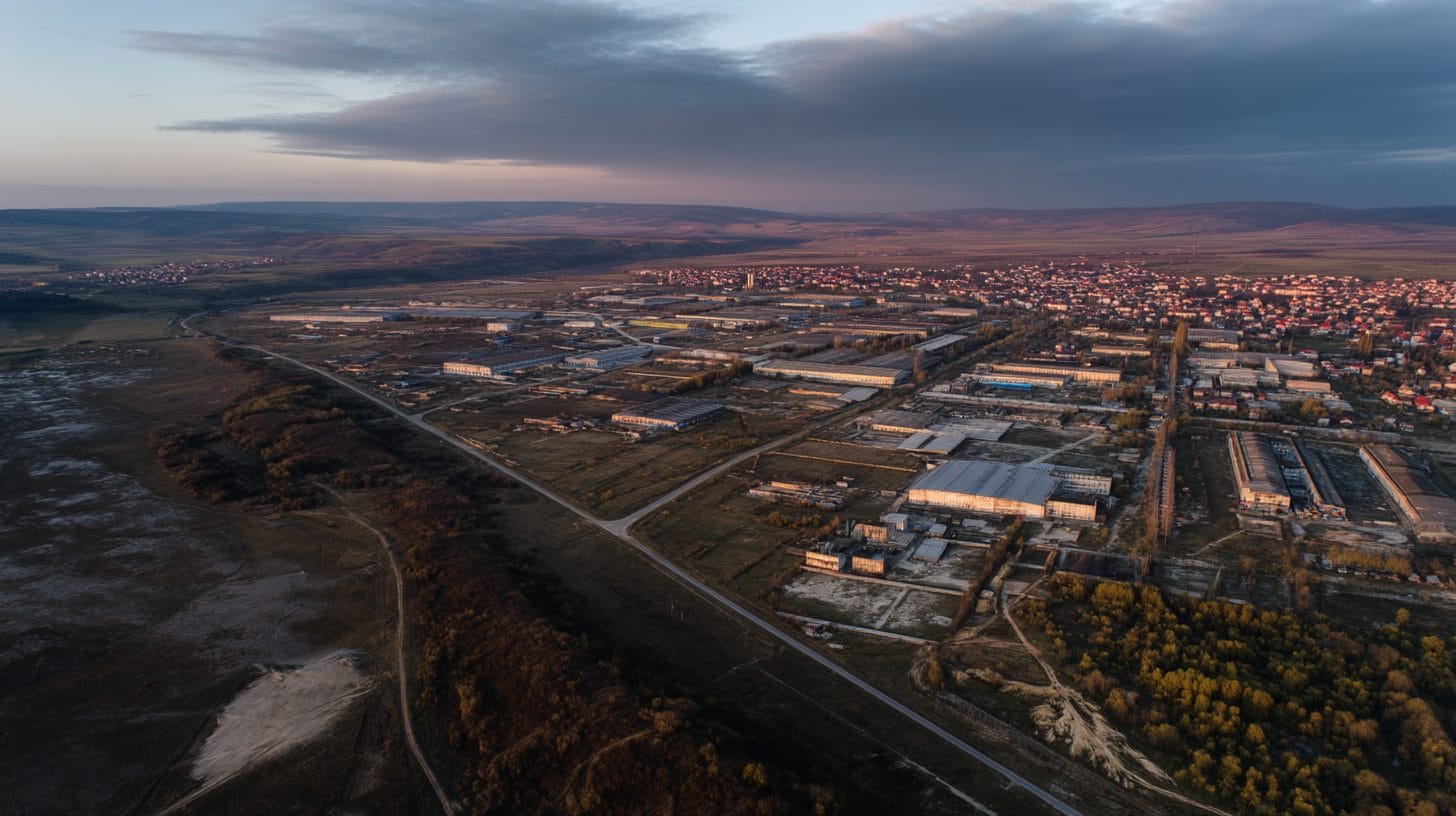
The Impact of Global Economic Trends on Bucharest Real Estate
In recent years, the world has witnessed seismic shifts in economic landscapes driven by globalization, technological advancements, and unforeseen events such as the COVID-19 pandemic. These global economic trends have far-reaching implications on various industries, among which the real estate sector is notably affected. Bucharest, Romania’s vibrant capital city, encapsulates the intertwining of local dynamics with global economic patterns. This article examines how global economic trends influence Bucharest’s real estate market, providing an insightful analysis for investors, homeowners, and industry professionals alike.
Global Economic Trends and Their Significance
Global economic trends are influenced by a multitude of factors, including international trade relations, currency fluctuations, geopolitical tensions, technological innovations, and shifts in consumer behavior. The interconnectedness of economies means that an event or trend occurring in one part of the world can have ramifications in distant locales, including Bucharest. For instance, the rise of e-commerce has altered retail spaces, while remote work has impacted urban housing demand. Understanding these trends is crucial for grasping their implications for Bucharest’s real estate market.
1. The Rise of Remote Work and Its Consequences
The COVID-19 pandemic ushered in a wave of remote work that many businesses have adopted beyond lockdown measures. The shift toward flexi-working has decreased the correlation between employment centers and residential locations. Bucharest, which has a diverse job market, including IT, finance, and services, has experienced an uptick in demand for residential properties in suburban areas as many individuals seek larger living spaces. This phenomenon aligns with global trends, as urban outmigration has become a common narrative in numerous cities worldwide. The resulting demand for housing in both Bucharest and its surrounding areas reflects broader economic trends favoring remote work.
2. Changing Demographics and Urbanization
Another global economic trend affecting Bucharest real estate is urbanization. The ongoing movement of populations from rural to urban settings continues to shape real estate demand. Bucharest is expected to witness continued population growth, resulting from internal migration and foreign investments. An expanding urban population increases pressure on housing availability, leading to rising property prices. This trend echoes variations observed in other cities across Europe, where urban real estate markets are adapting to accommodate growing demographics.
3. Technological Advancements and Smart Homes
Technological advancements have paved the way for the rise of smart homes and eco-friendly living. Global economic trends indicate that consumers are increasingly prioritizing energy-efficient and sustainable properties. In Bucharest, developers are beginning to incorporate green building certifications and environmentally-friendly technologies in their projects. The rising demand for such properties not only reflects consumer preferences but also the global push for sustainability, influencing property values and investment strategies in the local market.
4. Foreign Investment and Economic Stability
Bucharest’s strategic geographic location and integration into the European Union present attractive opportunities for foreign investors. Global economic trends are seeing a resurgence of investment in East European countries, and Bucharest is no exception. Foreign direct investment (FDI) in Romania, particularly in real estate, is expected to rise, driven by the city’s developmental infrastructure and an emerging middle class willing to invest in property ownership. This influx of capital can lead to increased property prices, gentrification of neighborhoods, and a demand for commercial real estate, further influencing the local real estate landscape.
5. Currency Fluctuations and Their Impact on Buyers
The interconnectedness of economies also manifests in currency fluctuations. For instance, changes in the euro or dollar can directly impact purchasing power for foreign buyers investing in Bucharest real estate. As Romania continues to solidify its position within the European economic framework, these currency dynamics will influence foreign investment patterns and overall market performance. Local buyers may also feel the effects of global economic conditions, where a strong or weak currency can determine the affordability of properties within the capital city.
6. Global Supply Chain Disruptions
Global supply chains have faced unprecedented disruptions as a result of geopolitical tensions, natural disasters, and pandemics. For the construction industry in Bucharest, this translates into volatile materials costs and delays in project timelines. If raw materials experience shortages or price hikes, the cost of housing development may rise, consequently affecting housing availability and affordability. As a result, stakeholders must remain attuned to global supply chain trends, as they play an essential role in determining Bucharest’s real estate market pricing and sustainability.
7. Trends in International Migration and Investment
The trends in global migration often directly impact real estate markets. Bucharest has become an attractive destination for expatriates, offering favorable living conditions and relatively lower costs of living compared to many Western European cities. As international talent continues to flow into Bucharest, especially in sectors such as tech and finance, housing demand will invariably rise, impacting property prices and rental rates. The real estate market in Bucharest is poised to benefit from this influx by diversifying its offerings to meet the needs of a burgeoning international community.
Conclusion
The impact of global economic trends on Bucharest’s real estate market cannot be understated. As remote work reshapes residence preferences, urbanization drives demand, and technological advancements foster energy-efficient living, the market has begun to adapt. Additionally, foreign investment, currency fluctuations, supply chain disruptions, and international migration patterns further nuance the landscape.
For prospective investors, homeowners, and industry professionals, comprehending these trends is crucial to making informed decisions in Bucharest’s evolving real estate sector. A holistic understanding of how global economic trends influence Bucharest real estate can provide a competitive edge in a vibrant market filled with opportunities. As the world continues to change, so too will the dynamics of this intriguing capital city, reflecting the ongoing dance between local adaptations and global influences.
Interested in Land Investment in Romania?
We specialize in high-yield land and property opportunities for serious investors.
VIEW OUR CURRENT PORTFOLIOSecure your investment with Land For Investors.

Published: February 19, 2025