

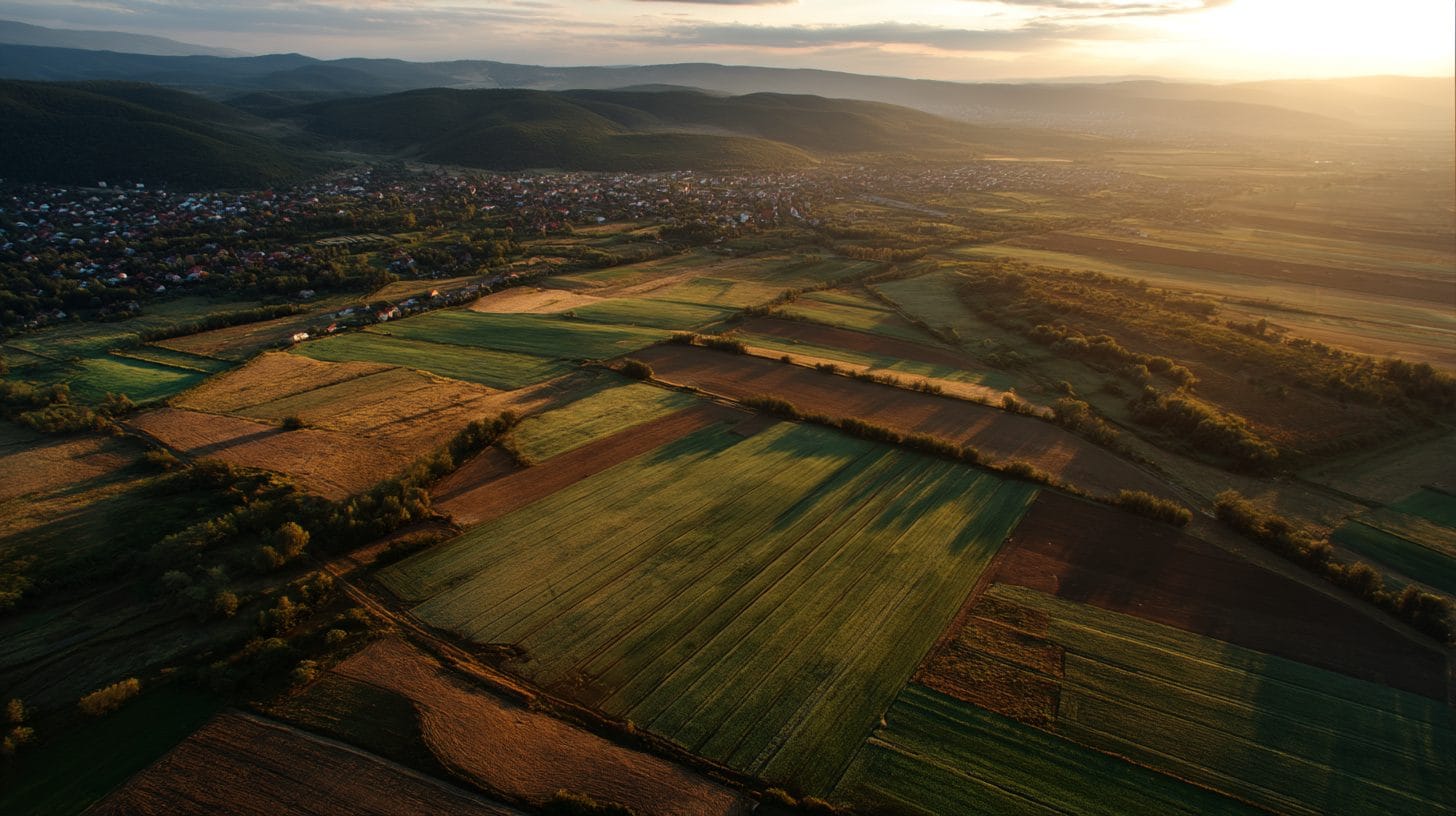
The Impact of Demographic Shifts on the Bucharest Housing Market
Bucharest, the vibrant capital of Romania, is experiencing a transformative phase characterized by significant demographic shifts. As one of the largest urban areas in Eastern Europe, Bucharest’s housing market is increasingly impacted by changes in population dynamics, social trends, and economic forces. Understanding these demographic shifts is crucial for real estate investors, homebuyers, and policymakers alike, as they significantly impact housing demand, supply, and pricing strategies within the city.
In recent years, Bucharest has witnessed a notable alteration in its demographics. Factors such as urbanization, migration, declining birth rates, and an aging population are reshaping the residential landscape in this bustling metropolis. The outcome of these changes creates a complex tapestry of demand and supply dynamics in the Bucharest housing market.
Urbanization is one of the primary drivers of demographic shifts in Bucharest. As rural populations migrate to urban centers in search of better employment opportunities, enhanced quality of life, and more comprehensive amenities, Bucharest has seen a steady influx of residents. The quest for housing in the city often leads to increased demand, contributing to rising property prices. Young professionals and families seeking to establish roots in the city are particularly influential, advocating for modern housing solutions that cater to their lifestyle needs.
Moreover, the migration of professionals and students from other countries has bolstered the population of Bucharest in recent years. As Romania emerges as an attractive destination for foreign talent, especially in sectors like technology and finance, the Bucharest housing market has been impacted significantly. The increasing demand from expatriates seeking rental properties has prompted landlords to renovate existing buildings and invest in new developments. This influx has not only affected rental prices but has also fueled trends in property types and sizes, reflecting a growing preference for modern, multi-functional living spaces.
At the same time, declining birth rates in Romania have contributed to shifting housing demands. With fewer young families entering the market, there is a noticeable shift towards smaller living spaces, such as studios and one-bedroom apartments, which cater primarily to single residents and younger couples. This trend has led to an increase in the development of compact housing solutions, particularly in prime urban areas where land is limited, and affordability is a priority.
The aging population presents another compelling force that adds complexity to the Bucharest housing market. As life expectancy increases and more individuals reach retirement age, there is a heightened need for housing that accommodates the unique requirements of older residents. This demographic segment prefers properties equipped with accessibility features and nearby healthcare facilities, prompting developers to consider these preferences in their projects. Additionally, this shift signals the emergence of age-specific housing, such as retirement communities, which could play a pivotal role in the future of the Bucharest housing market.
The intersection of demographic shifts with economic factors further complicates the housing landscape. Economic growth in Romania over the past decade has positively influenced purchasing power, allowing more residents to invest in property. The construction sector has responded by ramping up production, affecting the supply dynamics. However, construction delays, inflation, and rising material costs have led to challenges that developers must navigate to meet the growing demand efficiently.
Another key consideration is the evolving preferences of buyers and renters. Today’s consumers prioritize sustainability and environmentally friendly living spaces. An increasing number of Bucharest’s residents are engaged in discussions surrounding eco-friendly construction, energy-efficient buildings, and green spaces. Developers are starting to respond to this demand by designing properties that reduce environmental impacts while enhancing their appeal to a sustainability-conscious market.
The macro-political environment also plays a significant role in shaping demographic shifts and the housing market. Legislative measures affecting land use, zoning laws, and property taxes can either facilitate or hinder development efforts. Policymakers must remain aware of these nuances as they work to create an environment conducive to housing growth while managing the effects of demographic changes.
Investors looking to navigate the Bucharest housing market must carefully analyze trends driven by demographic shifts. Understanding the needs of various demographic segments can inform strategic investment decisions, whether in residential real estate, rental properties, or mixed-use developments. Additionally, industry stakeholders must collaborate to devise innovative solutions that address these shifts, ensuring that housing supply aligns with the evolving demands of Bucharest’s population.
In conclusion, the Bucharest housing market is deeply intertwined with various demographic shifts reshaping the city’s landscape. Urbanization, migration patterns, declining birth rates, an aging population, and changing economic factors collectively influence housing demand and supply strategies. The challenges presented by these shifts also unveil significant opportunities for developers, investors, and policymakers willing to adapt to the rapidly changing environment. By leveraging an understanding of these demographic trends, stakeholders can mitigate risks while capitalizing on Bucharest’s potential as a thriving residential hub in Eastern Europe. To harness the full impact of these demographic shifts, it is imperative that they are accounted for in strategic planning, investment, and policymaking aimed at sustaining Bucharest’s dynamic housing market.
Interested in Land Investment in Romania?
We specialize in high-yield land and property opportunities for serious investors.
VIEW OUR CURRENT PORTFOLIOSecure your investment with Land For Investors.

Published: February 19, 2025