

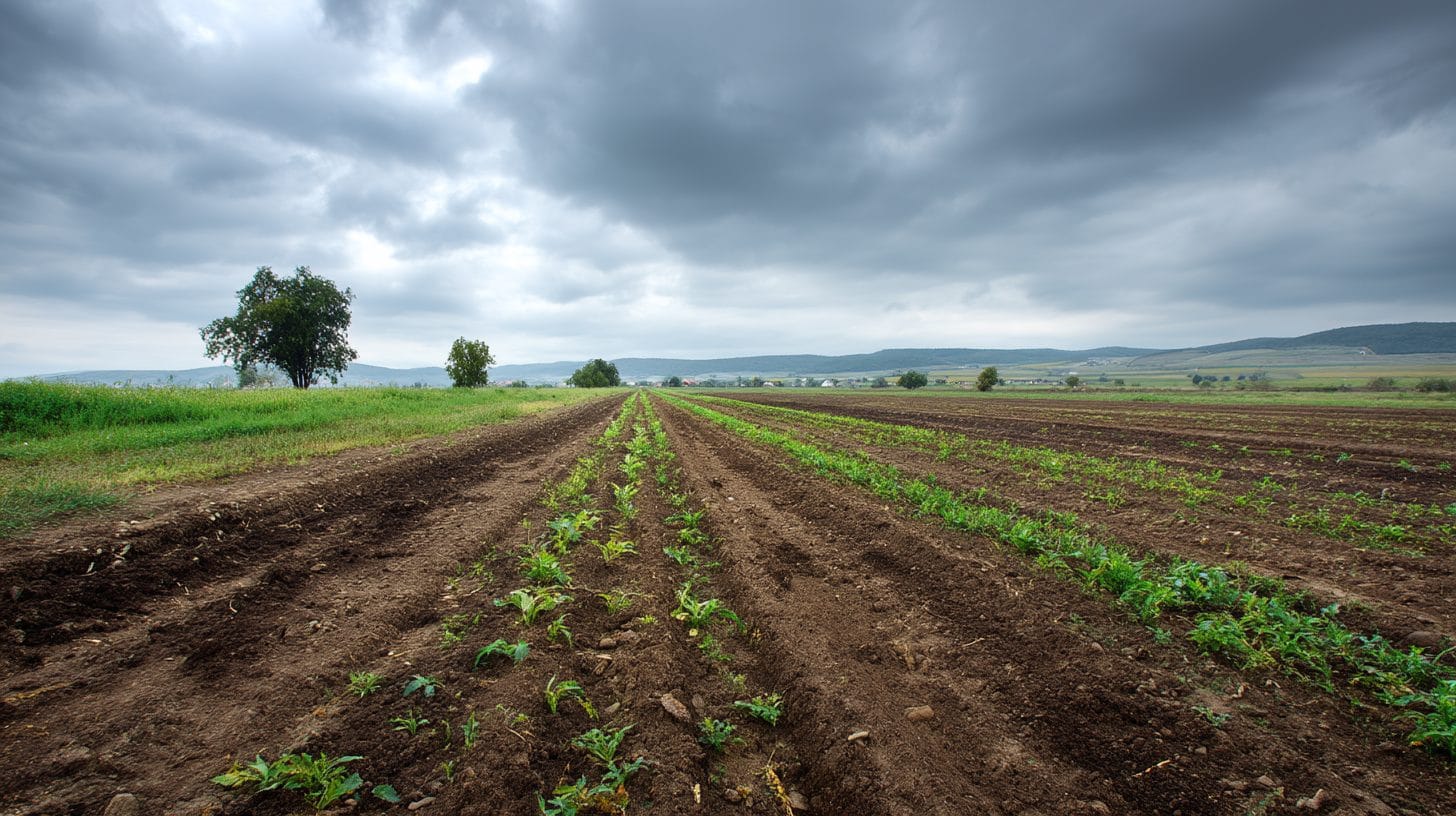
The Future of Suburban Development in Romania: Trends to Watch
The landscape of suburban development trends in Romania is undergoing a profound transformation as the nation adapts to new economic, social, and environmental realities. With increasing urbanization, population growth in cities, and a rising demand for residential and commercial spaces outside traditional urban areas, understanding the future of suburban development in Romania is essential for investors, developers, and policymakers alike. This comprehensive analysis delves deep into the key trends shaping suburban development in Romania, exploring the factors driving these changes and the implications for the country’s future urban landscape.
One of the most significant trends in suburban development in Romania revolves around the shift in demographics. Over the past few years, there has been a marked increase in the number of families, young professionals, and retirees moving from large cities to suburban areas. This migration can be attributed to several factors, including the rising cost of living in urban centers, the desire for more space, and the increasing availability of remote work opportunities. As more individuals seek a better quality of life, suburban development trends in Romania are likely to reflect a growing demand for family-oriented housing, recreation areas, and amenities that cater to these new residents.
Sustainability is another pivotal trend influencing suburban development across Romania. As awareness of environmental issues rises, both investors and developers are increasingly focusing on building sustainable communities that prioritize eco-friendly practices. This includes investing in renewable energy sources, energy-efficient construction methods, and green infrastructure. The Romanian government has also embraced sustainability as part of its urban development strategy, setting ambitious targets for reducing carbon emissions and promoting green urban planning. Future suburban developments are expected to incorporate more parks, green roofs, and community gardens, fostering a greater connection between residents and their natural surroundings.
Transportation connectivity is critical in understanding suburban development trends in Romania. With the rapid expansion of suburban areas, there is an urgent need for improved infrastructure that can support the mobility of residents who commute to urban centers. Future developments will likely prioritize multi-modal transportation systems that integrate public transport, cycling paths, and pedestrian-friendly walkways. The Romanian authorities are working on enhancing public transportation networks, making it easier for suburban residents to access urban jobs and services. This emphasis on connectivity not only enhances the residents’ quality of life but also makes suburban developments more attractive to potential buyers and investors.
Moreover, the suburban real estate market in Romania is witnessing a notable diversification of housing options. While single-family homes have long been the dominant form of residential accommodation in suburban areas, there is an emerging trend toward mixed-use developments that combine residential, commercial, and recreational spaces. These developments cater to the needs of modern families and young professionals looking for convenience, as they can access shopping, dining, and entertainment options within walking distance. The rise of smart homes, equipped with advanced technology and sustainable features, is also becoming increasingly appealing to a tech-savvy population, further diversifying the suburban housing market.
In addition to housing diversity, suburban developments in Romania are increasingly characterized by a focus on community and social engagement. Developers are starting to recognize the importance of creating spaces that foster a sense of belonging among residents. This includes designing neighborhoods with shared facilities, such as parks, community centers, and sports complexes that encourage interaction and collaboration. Establishing vibrant public spaces where residents can gather and participate in various activities helps to build stronger communities and enhance the overall quality of life in suburban areas.
Access to education and healthcare is a significant concern for suburban residents and a trend that developers cannot ignore. As suburbs grow in population, there is an increasing demand for quality educational institutions and healthcare facilities. Future developments in suburban areas of Romania will likely prioritize the establishment of schools, childcare centers, and healthcare clinics to meet the needs of families and ensure that residents have access to essential services. Strategic partnerships between the private sector and local governments may arise to facilitate the establishment of these critical facilities, promoting holistic community development.
Technological advancements are playing a pivotal role in shaping the future of suburban development trends in Romania. The adoption of smart city concepts is transforming the way communities are planned and operated. Integration of IoT (Internet of Things) devices, smart grids, and other digital technologies can enhance energy efficiency, improve safety, and streamline transportation systems within suburban areas. As Romania continues to embrace digital transformation, the potential for smart suburban communities is vast, attracting forward-thinking developers and innovative businesses looking to invest in the future.
Finally, the influence of international investment on suburban development trends in Romania cannot be overlooked. As more foreign investors identify Romania as an attractive investment destination, there is an increasing influx of capital directed toward residential and commercial projects in suburban areas. This investment is helping to stimulate economic growth and create job opportunities, further enhancing the appeal of suburban living. The collaboration between local governments and international stakeholders will be crucial in ensuring sustainable development that meets the needs of both new residents and the existing community.
In conclusion, the future of suburban development trends in Romania is poised for significant transformation as multiple factors converge — demographic shifts, sustainability initiatives, transportation improvements, diversification of housing options, community engagement, access to services, technological advancements, and international investment. As these trends continue to evolve, they offer a wealth of opportunities for investors, developers, and communities to create vibrant, sustainable, and inclusive living spaces that resonate with modern lifestyles. By keeping a close eye on these emerging trends, all stakeholders involved in Romanian suburban development can navigate this dynamic landscape successfully, ensuring the creation of thriving communities for generations to come.
Interested in Land Investment in Romania?
We specialize in high-yield land and property opportunities for serious investors.
VIEW OUR CURRENT PORTFOLIOSecure your investment with Land For Investors.

Published: February 18, 2025