

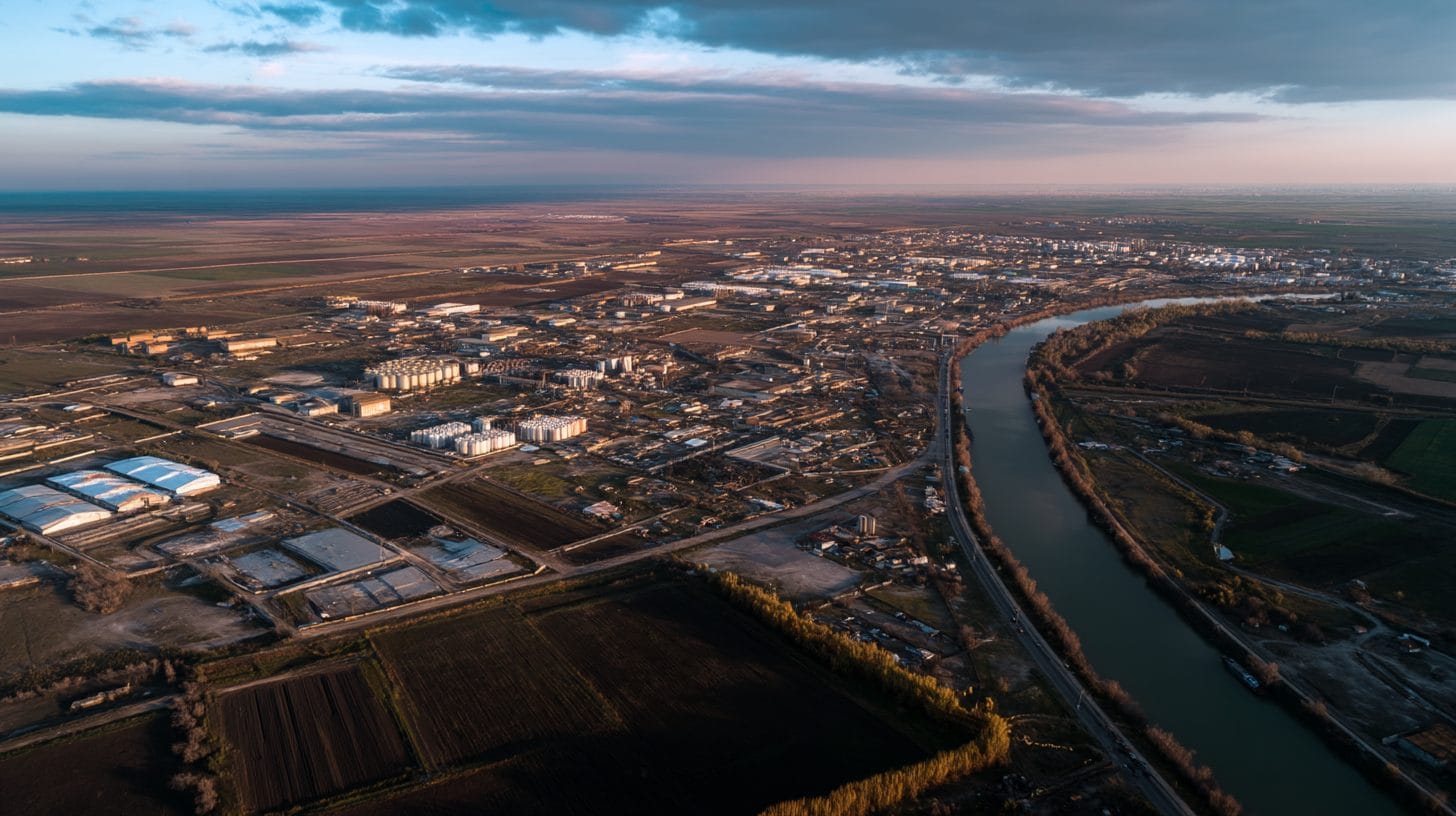
The Future of Real Estate: Trends Shaping Romanian Markets
As Romania continues to rise as a strategic player in the European real estate landscape, understanding the future real estate trends in Romania is crucial for investors, homebuyers, and industry professionals. The Romanian market is a blend of traditional values and modern aspirations, creating a unique environment where local influences and global trends converge. From urbanization and digital transformation to sustainability and shifting consumer preferences, several critical factors are shaping the future of real estate in Romania.
One of the most significant trends impacting the Romanian market is urbanization. As more people move to urban areas for better opportunities and quality of life, the demand for residential real estate is skyrocketing, especially in major cities like Bucharest, Cluj-Napoca, and Timisoara. This migration is leading to the expansion of urban areas and the development of new residential projects, reflecting a shift toward modern living standards. The increasing population density in urban centers also encourages mixed-use developments, which incorporate residential, commercial, and recreational facilities in a single project, thereby optimizing urban space and fostering community interactions.
In tandem with urbanization, another vital driver of the future real estate trends in Romania is the digital transformation of the industry. The integration of technology in real estate operations has already begun to reshape how properties are bought, sold, and managed. Digital platforms for property searches, virtual tours, and online transactions are becoming the norm, catering to the preferences of a tech-savvy generation. Additionally, the rise of smart homes equipped with IoT (Internet of Things) technologies is attracting buyers who prioritize convenience and energy efficiency. These advancements are not only optimizing the user experience but also streamlining operations for real estate professionals, making the market more transparent and accessible.
Sustainability is another dominant trend that is expected to play a fundamental role in shaping future real estate trends in Romania. As awareness surrounding climate change and environmental issues grows, both consumers and investors are showing a preference for eco-friendly and sustainable developments. This shift is leading to an increased demand for green buildings that emphasize energy efficiency, sustainable materials, and effective waste management practices. The Romanian government is also encouraging sustainability by implementing policies that support green construction practices and offering incentives for developers who prioritize environmental responsibility in their projects. As a result, sustainability is becoming a standard rather than an option, pushing the Romanian real estate market towards a greener future.
Moreover, the post-COVID-19 environment has transformed the way people live and work, influencing future real estate trends in Romania. The pandemic has accelerated the adoption of remote work, prompting a reevaluation of living spaces. As individuals increasingly seek homes that accommodate home offices and provide a balanced work-life integration, buyers are gravitating towards properties beyond city centers that offer more space, gardens, and recreational opportunities. This demand for suburban living influences the development of residential projects in peri-urban areas as more cities expand their boundaries.
Investment in infrastructure is another critical factor shaping the future of Romanian real estate. The government is making significant investments to improve transportation and logistical connections, enhancing the appeal of various regions for residential and commercial developments. Projects like the construction of new highways, railways, and public transport systems are likely to provide increased accessibility to remote areas, thereby broadening the market for property investment. Better infrastructure will not only stimulate the economy but also contribute to the attractiveness of emerging locations outside the established urban centers.
Additionally, the rise of co-working spaces and flexible office environments represents yet another dimension of the evolving real estate trends in Romania. As companies reassess their office space requirements, there is a growing interest in shared workspaces that promote collaboration and innovation. This trend is particularly significant in major cities like Bucharest, where businesses and freelancers are flocking to co-working hubs that offer modern amenities and community-oriented environments. This shift is fueling the demand for office spaces designed with flexibility and collaboration in mind, thus reshaping the commercial real estate sector in Romania.
An essential aspect influencing future real estate trends in Romania is the evolving demographic landscape. With millennials and Gen Z becoming the dominant consumer groups, their preferences largely dictate market standards. These younger generations value experiences over material possessions, leading to a heightened interest in rental properties, short-term leases, and flexible living arrangements. This shift urges developers to cater to lifestyle demands and prioritize community-oriented living, ensuring that future residential projects align with the values and preferences of younger buyers.
Finally, investors interested in the Romanian real estate market must consider the implications of regulatory changes. The Romanian government is becoming increasingly focused on creating a favorable environment for foreign investments while ensuring compliance with EU standards. This shift aims to attract international investors, sponsoring new projects and infrastructure developments that can further enhance the market’s growth prospects. However, it’s essential for investors to stay informed about evolving regulations and ensure they meet the necessary compliance requirements.
In conclusion, the future of real estate trends in Romania is shaped by a myriad of factors including urbanization, digital transformation, sustainability, and demographic shifts. The growing demand for residential and commercial spaces offers significant opportunities for investors and industry players. To navigate the evolving landscape, stakeholders must remain agile and responsive to changing consumer preferences and market dynamics. By recognizing the trends that are influencing Romania’s real estate market, investors can strategically position themselves to capitalize on the growth potential that lies ahead. As Romania continues to develop as a key player in the European real estate market, understanding these trends will be essential for anyone looking to invest in this promising landscape.
Interested in Land Investment in Romania?
We specialize in high-yield land and property opportunities for serious investors.
VIEW OUR CURRENT PORTFOLIOSecure your investment with Land For Investors.

Published: February 18, 2025