

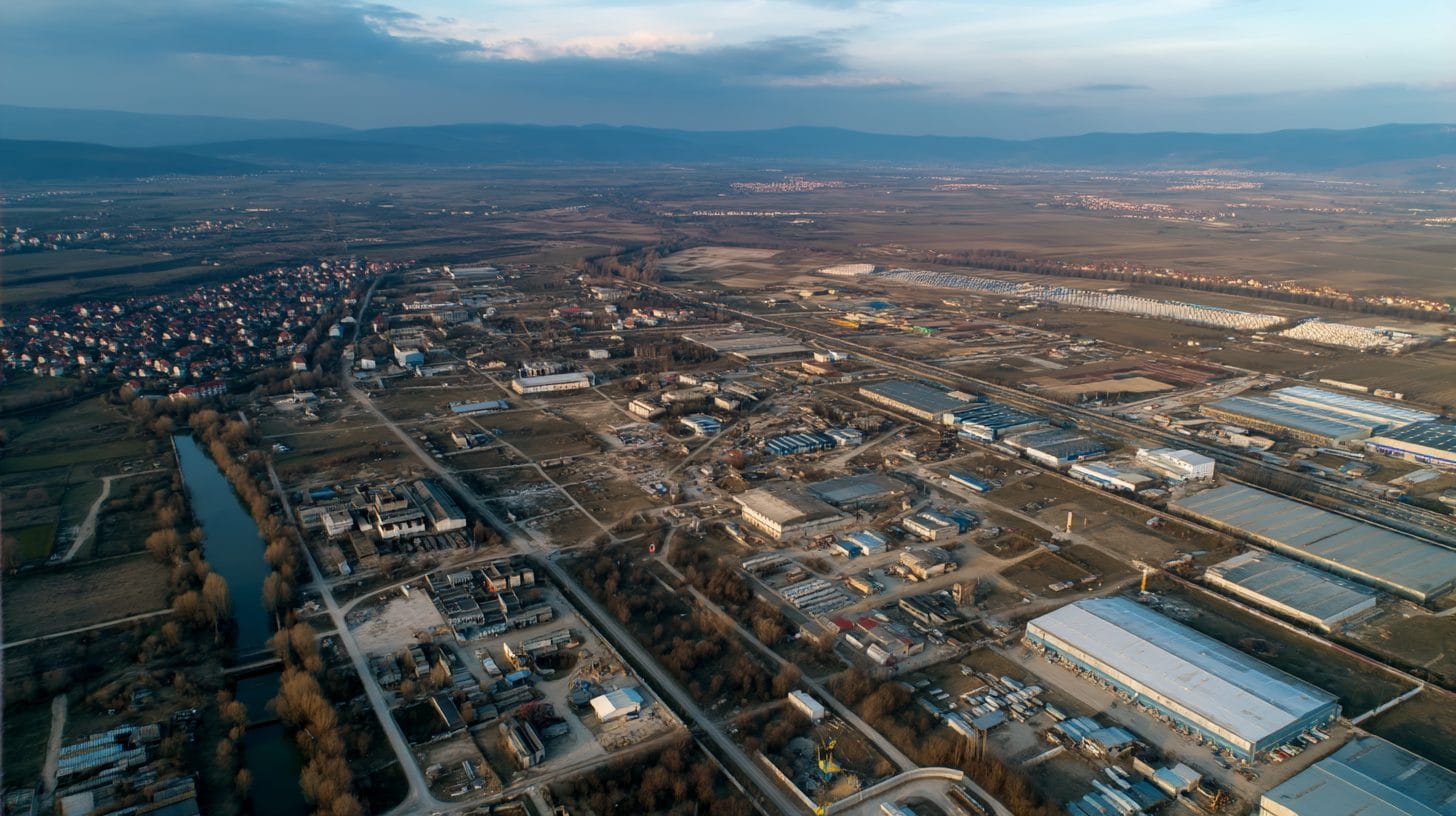
The Future of Real Estate Technology in the Bucharest Region
The landscape of real estate is undergoing a significant transformation, and the Bucharest region is no exception. As the capital of Romania and a burgeoning hub for technology, Bucharest stands at the nexus of real estate and innovation. The future of real estate technology in Bucharest is characterized by an integration of advanced digital solutions, emerging technologies, and evolving consumer demands that promise to reshape how properties are bought, sold, rented, and managed.
The current state of the real estate market in Bucharest is dynamic, fueled by a growing economy, increasing foreign investment, and a rising demand for residential and commercial properties. However, as traditional processes and practices become increasingly antiquated, real estate technology will emerge as a critical differentiator. The future of real estate technology in Bucharest will likely hinge on several key trends and innovations.
One significant trend influencing the future of real estate technology in Bucharest is the rise of data-driven decision-making. With the wealth of data available today, real estate professionals in Romania are leveraging analytics to gain insights into market trends, consumer behavior, and pricing strategies. By utilizing big data, real estate developers, agents, and investors can make informed decisions that will enhance their competitive edge in the Bucharest market. Predictive analytics can help identify upcoming neighborhoods, profitable investments, and changes in consumer preferences, making it an essential tool for future success.
Another game-changing aspect of real estate technology in Bucharest is the adoption of virtual and augmented reality (VR and AR). These technologies are transforming property showcasing and client engagement. VR allows potential buyers and tenants to take immersive virtual tours of properties from the comfort of their homes, saving time and enhancing the initial stages of property searches. Meanwhile, AR can be utilized to provide interactive experiences, allowing users to visualize furniture and design elements within a space. As the demand for seamless and engaging property viewing experiences rises, real estate companies in Bucharest that adopt VR and AR technologies will find themselves positioned advantageously in the marketplace.
Artificial intelligence (AI) and machine learning are also poised to play a pivotal role in the future of real estate technology in Bucharest. AI-driven algorithms can facilitate property valuations, automate administrative tasks, and enhance customer service through chatbots and virtual assistants. In an era where efficiency and personalization are paramount, adopting AI solutions will enable businesses to streamline operations while providing tailored experiences for clients. For instance, AI can analyze user preferences, offer property recommendations, and track market fluctuations to deliver data-backed suggestions to buyers, thereby improving the overall sales process.
Blockchain technology is another innovation that is set to revolutionize real estate transactions in Bucharest. By providing a decentralized, transparent, and secure method of recording property transactions, blockchain can significantly reduce the risk of fraud and streamline the process of buying and selling real estate. Smart contracts, which automate the execution of contractual agreements, could simplify property transfers and enhance the efficiency of transactions, reducing the need for intermediaries and accelerating the buying process. As trust becomes increasingly vital in real estate, the adoption of blockchain in Bucharest may lead to greater transparency and confidence within the market.
Furthermore, the integration of property management software and IoT (Internet of Things) devices will enhance the future of real estate technology in Bucharest, especially in the realm of property management and tenant relations. Smart home technology is gaining popularity, with features such as automated lighting, climate control, and security systems becoming more accessible to tenants and homeowners. This presents an opportunity for property management firms to leverage IoT devices to optimize building operations, monitor maintenance needs, and improve communication with tenants. A strong property management system that utilizes these advancements will not only boost tenant satisfaction but also enhance operational efficiency.
The impact of sustainability on the future of real estate technology in Bucharest cannot be overlooked. As the emphasis on environmentally friendly practices grows, real estate developers are increasingly adopting green building technologies and practices. This movement aligns with consumer preferences for sustainable living spaces. Technology will play a pivotal role in measuring, reporting, and improving the energy efficiency of buildings. Leveraging energy management systems, predictive maintenance technologies, and sustainable construction methods will allow real estate firms in Bucharest to meet both regulatory requirements and the expectations of environmentally conscious buyers.
Additionally, the pandemic has permanently altered how buyers and renters view real estate interactions. The increased reliance on remote and digital communication established a foundation for technology integration that can continue to prevail in the future. The utilization of digital marketing and social media platforms allows real estate agents and companies to reach broader audiences with enhanced targeting capabilities. Video conferencing and virtual meetings have also facilitated stronger connections, allowing for personalized communication that aligns with today’s market needs.
As we look towards the future, it is crucial to recognize that the integration of technology in real estate is not merely a phase but an ongoing evolution. The Bucharest region is embracing this change with vigor, resulting in a tech-savvy market that is well-equipped to thrive in an increasingly competitive landscape. Real estate professionals need to invest in cutting-edge technology solutions, cultivate a culture of innovation, and remain adaptable to the rapid changes that technological advancements present.
In conclusion, the future of real estate technology in Bucharest is brimming with potential. As the market continues to grow and evolve, innovative solutions and advancements will shape the way real estate businesses operate. By harnessing the power of data analytics, VR and AR, AI, blockchain, IoT, and sustainability initiatives, real estate professionals in Bucharest can create an ecosystem that not only addresses current market demands but also prepares for the challenges and opportunities of tomorrow. Embracing the future of real estate technology in Bucharest is not just an option; it is an imperative for success in an increasingly interconnected and technology-driven world.
Interested in Land Investment in Romania?
We specialize in high-yield land and property opportunities for serious investors.
VIEW OUR CURRENT PORTFOLIOSecure your investment with Land For Investors.

Published: February 19, 2025