

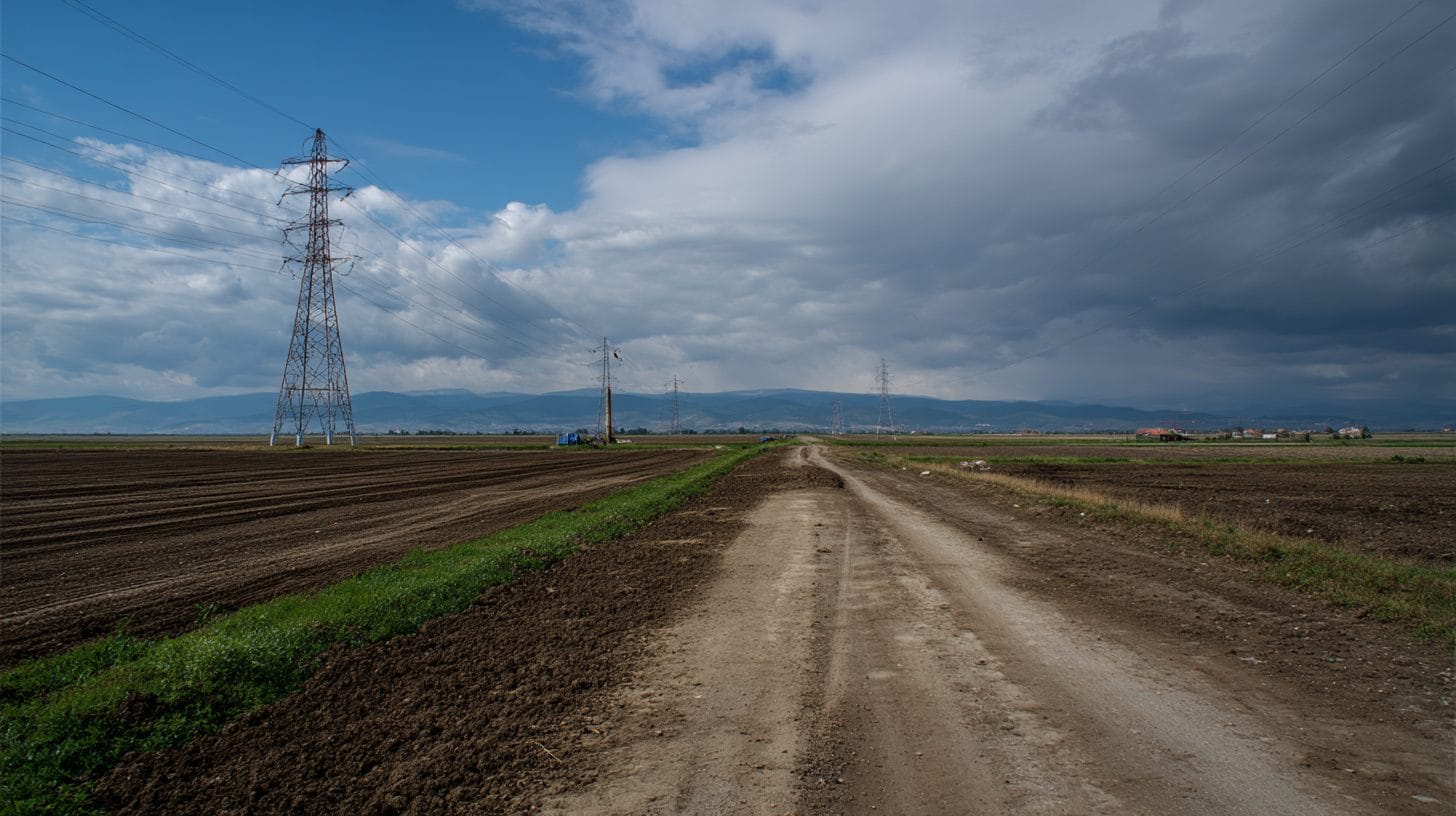
Step-by-step guide to buying land in Chitila
As a growing suburb located just north of Bucharest, Chitila has gained attention from real estate investors looking to capitalize on the flourishing market. With competitive prices and ample opportunities for development, the area stands out as a prime destination for those considering a real estate investment in Bucharest. This comprehensive guide will walk you through the step-by-step process of buying land in Chitila, ensuring you make informed decisions and navigate the complexities of the real estate landscape.
Understanding the Appeal of Chitila
Chitila is characterized by its strategic location, spacious green areas, and a friendly community atmosphere. As real estate investment in Bucharest expands, particularly towards its suburbs, Chitila presents excellent potential for both residential and commercial developments. The area benefits from proximity to essential amenities, transportation links, and growing infrastructure, further enhancing its attractiveness to potential buyers.
Researching the Local Market
Before embarking on your journey to purchase land in Chitila, it is crucial to perform thorough market research. Begin by:
1. Investigating property prices: Analyze the market trends in Chitila by comparing land prices with similar locations in Bucharest. Websites specializing in real estate listings can provide current and historical data on property values, guiding you towards making a sound investment.
2. Identifying potential development opportunities: Assess the types of land available and consider their zoning regulations. Understand the various types of development that are permissible in Chitila, such as residential, commercial, or mixed-use properties.
3. Networking with local real estate agents: Local agents possess extensive knowledge of the Chitila market and can guide you through potential properties suited to your needs. Establishing a relationship with a respected real estate agent can yield valuable insights and facilitate smoother transactions.
Evaluating Land Options
Once you have a solid grasp of the local market, it’s time to evaluate different land options. When assessing potential parcels, consider the following factors:
1. Location: Look for land situated near essential amenities such as schools, shopping centers, public transportation, and healthcare facilities. A prime location can significantly increase the desirability and value of the property.
2. Size and shape of land: Depending on your intended use, the size and shape of the parcel play a crucial role. For residential developments, wide frontages and depth may be necessary to accommodate homes and gardens, while commercial properties may demand larger tracts of land for ample parking and infrastructure.
3. Environmental factors: Consider natural features such as topography, soil quality, and drainage patterns, as these can impact the feasibility of construction and landscaping.
4. Future growth potential: Identify any planned infrastructure projects or developments in the surrounding area that may influence property values. By investing in areas with anticipated growth, you stand to benefit from increased returns.
Conducting Due Diligence
Before finalizing any deal, thorough due diligence is essential. This step not only protects your investment but also helps you understand any potential risks or liabilities associated with the property. Key elements of due diligence include:
1. Verifying property ownership: Check the land registry to ensure that the seller has legal ownership of the property, as well as any claims or encumbrances against it.
2. Review zoning regulations: Familiarize yourself with local zoning laws to confirm the property is suitable for your intended use. Understanding restrictions and requirements can save you time and resources in the long run.
3. Examine land surveys and boundaries: A land survey provides critical information regarding the boundaries and dimensions of the property. Ensure that the property’s descriptions align with the measurements from the survey.
4. Investigating infrastructure services: Confirm access to essential services such as electricity, water, gas, and sewage systems. The availability and quality of these services can significantly impact development feasibility and costs.
5. Environmental assessments: Depending on the intended use, you may need to conduct an environmental assessment to identify any possible contamination or ecological issues that could affect your investment.
Negotiating and Finalizing the Purchase
Once your due diligence is complete, and you feel confident in the property’s potential, it’s time to negotiate and close the deal. Key steps include:
1. Determine a fair offer: Based on your research and property evaluations, formulate a reasonable purchase offer. Consider consulting with your real estate agent to determine a suitable price range.
2. Engage a legal professional: Given the intricacies involved in property transactions, hiring a local attorney with experience in real estate law is advisable. They can assist with the legal documentation, ensure compliance with local regulations, and safeguard your interests.
3. Draft a purchase agreement: Work with your legal advisor to create a comprehensive purchase agreement detailing conditions, deposit amounts, and timelines. Ensure both parties agree to the terms before proceeding.
4. Perform a final inspection: Conduct a final walk-through of the property before closing to ensure that the site, documents, and conditions meet your expectations.
5. Complete the transaction: On the closing day, sign the necessary paperwork, transfer the funds as outlined in the agreement, and receive the title of ownership. Ensure the transaction is registered in the land registry to secure your ownership rights.
Understanding Post-Purchase Responsibilities
Congratulations on your new land acquisition in Chitila! However, your responsibilities do not end after the purchase. Successful land ownership requires proper management and compliance with local regulations, which include:
1. Familiarizing yourself with local tax obligations: Understand property tax rates and any local assessments that may apply to your land. Staying informed of your tax responsibilities is crucial for maintaining your property.
2. Keeping up-to-date with zoning and building regulations: As rules and regulations may change, staying informed about zoning changes and requirements for future development is important. Regularly consult local authorities to avoid compliance issues.
3. Planning your development or investment strategy: Create a detailed development plan that outlines your goals, budget, and timeline. Whether constructing residential units or developing commercial properties, having a clear strategy can set you on the path for success.
4. Building relationships with local contractors and service providers: Collaborating with trusted professionals in areas such as construction, landscape design, and property management can help ensure successful project execution.
Conclusion
Investing in real estate, especially in strategic markets such as Chitila, can be both rewarding and challenging. By following this step-by-step guide, you can navigate the complexities of purchasing land in Chitila, ensuring that you make informed decisions at each stage of your journey. As the demand for real estate investment in Bucharest continues to grow, seizing opportunities in vibrant suburbs like Chitila can set the foundation for a prosperous future in the real estate landscape. With thorough research, diligent planning, and careful execution, you will be well on your way to realizing the potential of your investment.
Interested in Land Investment in Romania?
We specialize in high-yield land and property opportunities for serious investors.
VIEW OUR CURRENT PORTFOLIOSecure your investment with Land For Investors.

Published: June 17, 2025