

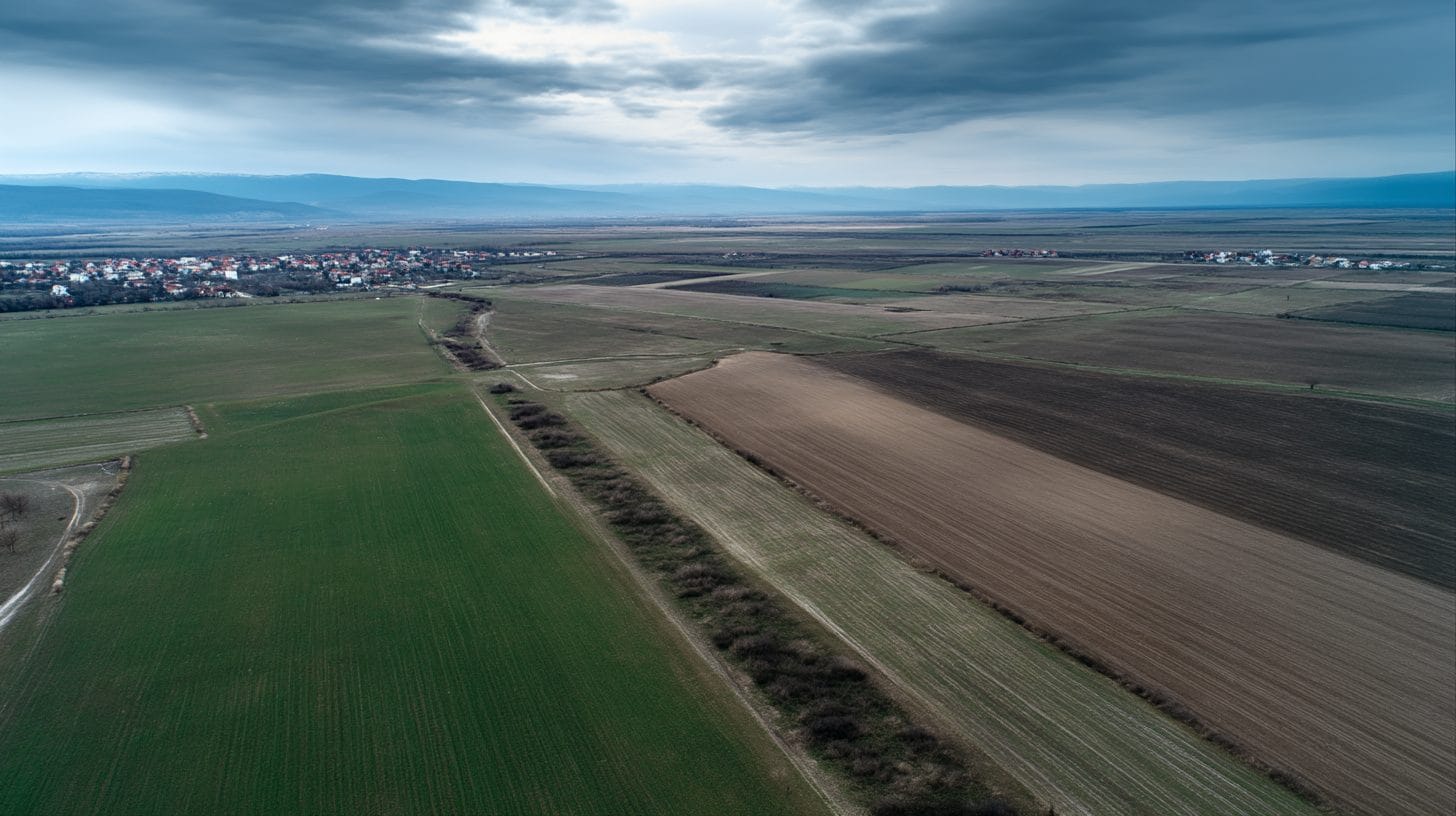
Step-by-step guide to buying land in Bucharest: A Comprehensive Overview
Buying land near Bucharest, Romania, can be an exciting and rewarding endeavor, but it is essential to approach the process with due diligence and awareness of the intricacies involved. This article serves as a thorough guide to navigate through the steps required to make a successful purchase of land in Bucharest. From understanding the local real estate market to the legal requirements and practical considerations, we aim to provide prospective buyers with all the necessary information to ensure a smooth transaction.
Step 1: Understanding the Market Dynamics
Before embarking on your journey to buy land near Bucharest, Romania, it is crucial to familiarize yourself with the local market dynamics. Bucharest, as the capital and largest city in the country, boasts a diverse real estate landscape. Factors such as location within the city, accessibility, zoning regulations, and potential for future development play a significant role in determining property values.
Conducting market research through online databases, consulting with real estate experts, and attending local property exhibitions can provide invaluable insights. Keeping track of historical price trends and forecasts can also help you identify opportune moments for investment.
Step 2: Identifying Your Objectives
Defining your objectives will help streamline your search for land near Bucharest. Are you looking to build a residential property, develop a commercial venture, or invest in agricultural land? Your objectives will shape your choice of location and the type of land you should consider.
Moreover, assessing your budget and financial capabilities will allow you to narrow down your options. It is advisable to set a budget for land acquisition, including transaction costs such as taxes, legal fees, and potential infrastructure developments.
Step 3: Selecting the Location
Choosing the right location is crucial when deciding to buy land near Bucharest, Romania. Bucharest features several neighborhoods and suburban areas, each with unique characteristics. Areas like Pipera, Floreasca, and Militari are particularly sought after for residential developments due to their proximity to amenities and transportation links.
On the other hand, if you are looking for more rural land, consider areas in Ilfov County, which encircles Bucharest. Places like Snagov and Voluntari offer scenic landscapes and a tranquil lifestyle, appealing to those seeking vacation homes or agricultural opportunities.
Conduct a thorough geographical analysis and evaluate the accessibility to public transport, shopping facilities, educational institutions, and healthcare services when making your decision.
Step 4: Engaging Professional Help
Navigating the complexities of the real estate market can be challenging, especially if you are unfamiliar with Romanian laws and regulations. Therefore, engaging professional assistance, such as a real estate agent with expertise in the Bucharest area, is highly recommended.
A qualified real estate agent can provide information on available parcels, assist with negotiations, and guide you through the entire purchasing process. Additionally, hiring a reputable lawyer specializing in real estate transactions is essential to ensure compliance with local laws and regulations.
Step 5: Conducting Due Diligence
Once you have identified a potential piece of land to buy near Bucharest, it is vital to conduct thorough due diligence. This process involves verifying the legal status of the property, including ownership, zoning regulations, and any encumbrances or liens.
Make sure to acquire the “Certificat de Urbanism” or Urban Planning Certificate, which outlines the zoning regulations applicable to the property. This document will provide crucial information regarding the land’s intended use, dimensions, and any restrictions that may affect your plans.
Additionally, it may be prudent to check the land’s environmental impact, potential flood zones, and other environmental considerations. A property survey can help assess the land’s boundaries and determine if there are any discrepancies in ownership.
Step 6: Making an Offer
Once due diligence has been completed and you feel confident in your investment, it is time to make an official offer on the land you wish to buy. The offer should be presented in writing and can include the purchase price, relevant contingencies, and any conditions necessary for you as the buyer.
Negotiating the terms of the deal might involve back and forth discussions with the seller or their representative. Being prepared for these negotiations can result in a mutually beneficial outcome and a potential reduction in price or improved terms.
Step 7: Finalizing the Purchase Agreement
Upon reaching an agreement on the terms, a purchase agreement will need to be drafted. This document, often facilitated by your lawyer, will include all essential details about the transaction, including price, payment terms, timelines for completion, and any conditions that need to be met before the sale can be finalized.
It is essential to ensure that all parties understand the terms and conditions of the agreement before signing. This stage often involves a deposit or earnest money to demonstrate your commitment to the purchase.
Step 8: Completing the Transaction
After signing the purchase agreement, the next step is to complete the financial and legal transactions. It is advisable to perform the transfer of funds through a secure method, such as a notary public or bank transaction. This step ensures transparency and a reliable record of the transaction.
Additionally, you will need to register the property with the local land registry office, submitting the necessary documentation and payment of registration fees. This process formalizes your ownership of the land and provides legal recognition of your property rights.
Step 9: Planning for Development
Once the purchase is complete, the next phase involves planning for development on your newly acquired land. If you intend to build a residential or commercial property, you will need to obtain all relevant permits and approvals from local authorities. Planning permission is a vital step, and the Urban Planning Certificate will outline any requirements for your project.
Engaging architects and contractors experienced in Romanian construction can ensure that your plans comply with local codes and regulations. Additionally, establishing a clear timeline and budget for your development is crucial for a successful execution of your project.
Step 10: Ongoing Management and Investment
Finally, owning land near Bucharest, Romania, may require ongoing management, especially if your investment is positioned for rental or future appreciation. Regular property maintenance, updates on zoning laws, and remaining informed about market trends will help you maximize your investment potential.
Considering an eventual resale or development will demand continuous evaluation of the area’s growth and economic stability. Collaborating with real estate experts will keep you well-informed of any emerging opportunities or challenges.
By following this step-by-step guide, you are now equipped with the knowledge needed to buy land near Bucharest, Romania. With careful planning, professional guidance, and thorough research, you can successfully navigate the intricacies of the real estate market in Bucharest and make a sound investment decision that aligns with your objectives. Whether you are considering residential, commercial, or agricultural land, the capital’s diverse offerings make it a prime location for investment.
Interested in Land Investment in Romania?
We specialize in high-yield land and property opportunities for serious investors.
VIEW OUR CURRENT PORTFOLIOSecure your investment with Land For Investors.

Published: June 14, 2025