

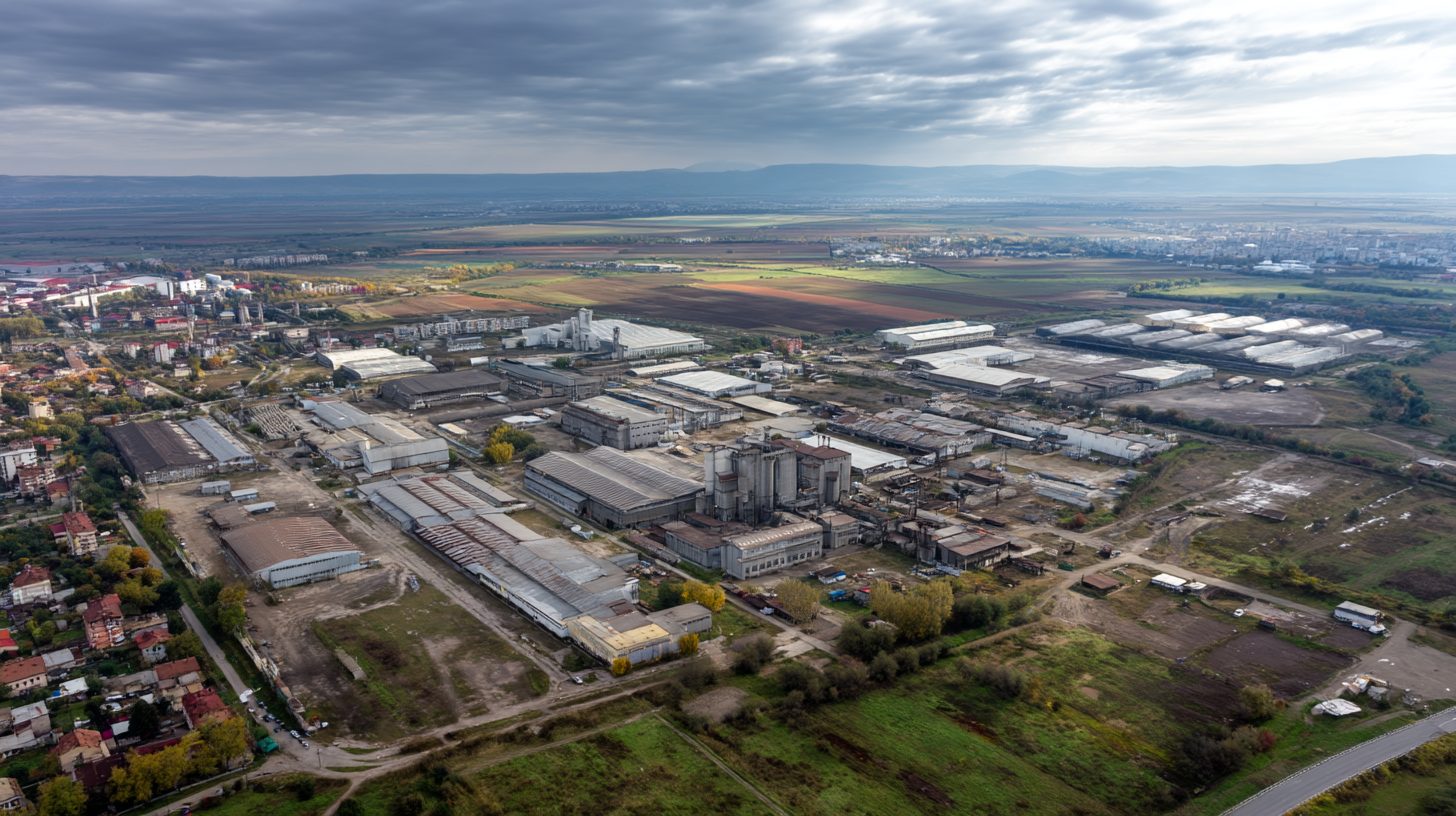
Romania Land Acquisition for Foreigners: A Legal and Practical Guide
The acquisition of land in Romania has become increasingly attractive to foreign investors and expatriates due to the country’s strategic location in Europe, dynamic economy, and natural beauty. However, navigating the legal complexities associated with land acquisition in Romania can be daunting for foreigners. This article aims to provide a thorough and detailed guide on Romania land acquisition for foreigners, highlighting the legal frameworks, practical steps, and potential pitfalls.
Understanding the Legal Framework
The laws governing land acquisition in Romania are primarily rooted in the Constitution and various statutory laws. Romania has made substantial progress in harmonizing its land laws with European Union (EU) standards, making land acquisition more accessible for foreign nationals. However, there are specific regulations that apply to foreigners purchasing land.
1. EU Citizens vs. Non-EU Citizens: The first step in understanding Romania land acquisition for foreigners is to distinguish between EU and non-EU citizens. EU citizens are allowed to acquire land in Romania with fewer restrictions, whereas non-EU citizens face additional hurdles.
2. Requirements for EU Citizens: As a member of the European Union, Romania permits EU citizens to purchase land under the same conditions as Romanian citizens. However, it is essential to note that certain areas, such as agricultural land and forest land, have specific restrictions, and EU citizens may need to apply for an endorsement from the Romanian authorities.
3. Requirements for Non-EU Citizens: Non-EU citizens face more stringent requirements when acquiring land in Romania. Typically, non-EU nationals must establish a Romanian legal entity (such as a company) that is registered in Romania to facilitate the acquisition of land. This requirement ensures that foreign investors comply with local regulations while contributing to the economy.
4. Specific Restrictions: The Romanian land law imposes restrictions primarily on the acquisition of agricultural and forestry lands. Foreigners, whether EU or non-EU citizens, may face limitations on the acquisition of agricultural land unless they comply with specific conditions, such as having a registered agricultural business in Romania.
Practical Steps in Land Acquisition
Once a foreign national has determined their eligibility, the following practical steps can guide them through the process of land acquisition in Romania.
1. Conduct Thorough Research: Before embarking on the acquisition of land, it is crucial to conduct thorough research. This includes understanding the type, location, and value of the land. Additionally, prospective buyers should be aware of the zoning regulations, land use, and potential development projects in the vicinity.
2. Engage Local Experts: Navigating the Romanian legal system can be challenging, especially for non-residents. It is advisable to engage local experts such as real estate agents, lawyers, and notaries who are well-versed in the intricacies of Romania land acquisition for foreigners. They can provide invaluable insights, legal advice, and assistance throughout the process.
3. Verifying Property Ownership: Once a potential land parcel has been identified, it is essential to verify the current ownership status through the Land Registry (Cartea Funciara). This will ensure that the seller has legal title to the property and that there are no underlying issues such as mortgages, liens, or other encumbrances.
4. Negotiating the Purchase Agreement: After confirming ownership and conducting due diligence, the next step is to negotiate the purchase agreement. This document should clearly outline the terms and conditions of the sale, including the purchase price, payment terms, and any contingencies. It is vital to have a legal professional review the agreement to ensure compliance with Romanian law.
5. Payment and Transfer of Ownership: The payment process typically involves a deposit followed by full payment upon transfer of ownership. The final transaction must be executed in the presence of a notary public, who will authenticate the sale contract and register the transfer of ownership in the Land Registry. This step is crucial for establishing legal ownership of the property.
6. Understanding Taxes and Fees: Foreign investors should be aware of the associated costs related to land acquisition in Romania. These include notary fees, registration fees, and taxes such as the property transfer tax. Generally, the property transfer tax ranges from 2% to 3% of the purchase price, depending on the specifics of the transaction.
Potential Pitfalls and Considerations
While Romania presents numerous opportunities for land acquisition, it is essential to be aware of potential pitfalls that could arise during the process.
1. Complex Bureaucracy: The Romanian legal system can be bureaucratic and slow. Foreign investors should be prepared for potential delays and ensure that all documentation is submitted accurately and on time.
2. Language Barrier: The primary language for official documentation and legal proceedings is Romanian. Investors may encounter challenges due to language differences. Therefore, it is advisable to work with bilingual professionals and to translate all relevant documents.
3. Local Market Fluctuations: Like any real estate market, Romania’s market can be subject to fluctuations. It is vital to monitor local trends and seek localized advice to ensure that investment decisions align with current market conditions.
4. Cultural Differences: Understanding the local culture and customs can significantly impact the negotiation process and the ability to foster relationships with local authorities, real estate agents, and community members.
5. Environmental Regulations: Romania has various environmental laws and regulations, particularly concerning agricultural and forestry land. It is essential for foreign buyers to conduct thorough assessments to ensure compliance with these regulations.
Conclusion
In conclusion, Romania land acquisition for foreigners presents both opportunities and challenges. EU citizens enjoy relatively straightforward access to property ownership, while non-EU citizens must navigate additional legal requirements. Understanding the legal framework, seeking local expertise, and conducting thorough due diligence are crucial steps to successfully acquiring land in Romania. By approaching the process with careful planning and awareness of the local context, foreign investors can capitalize on Romania’s burgeoning real estate market and enjoy the benefits of land ownership in one of Europe’s hidden gems.
Interested in Land Investment in Romania?
We specialize in high-yield land and property opportunities for serious investors.
VIEW OUR CURRENT PORTFOLIOSecure your investment with Land For Investors.

Published: February 17, 2025