

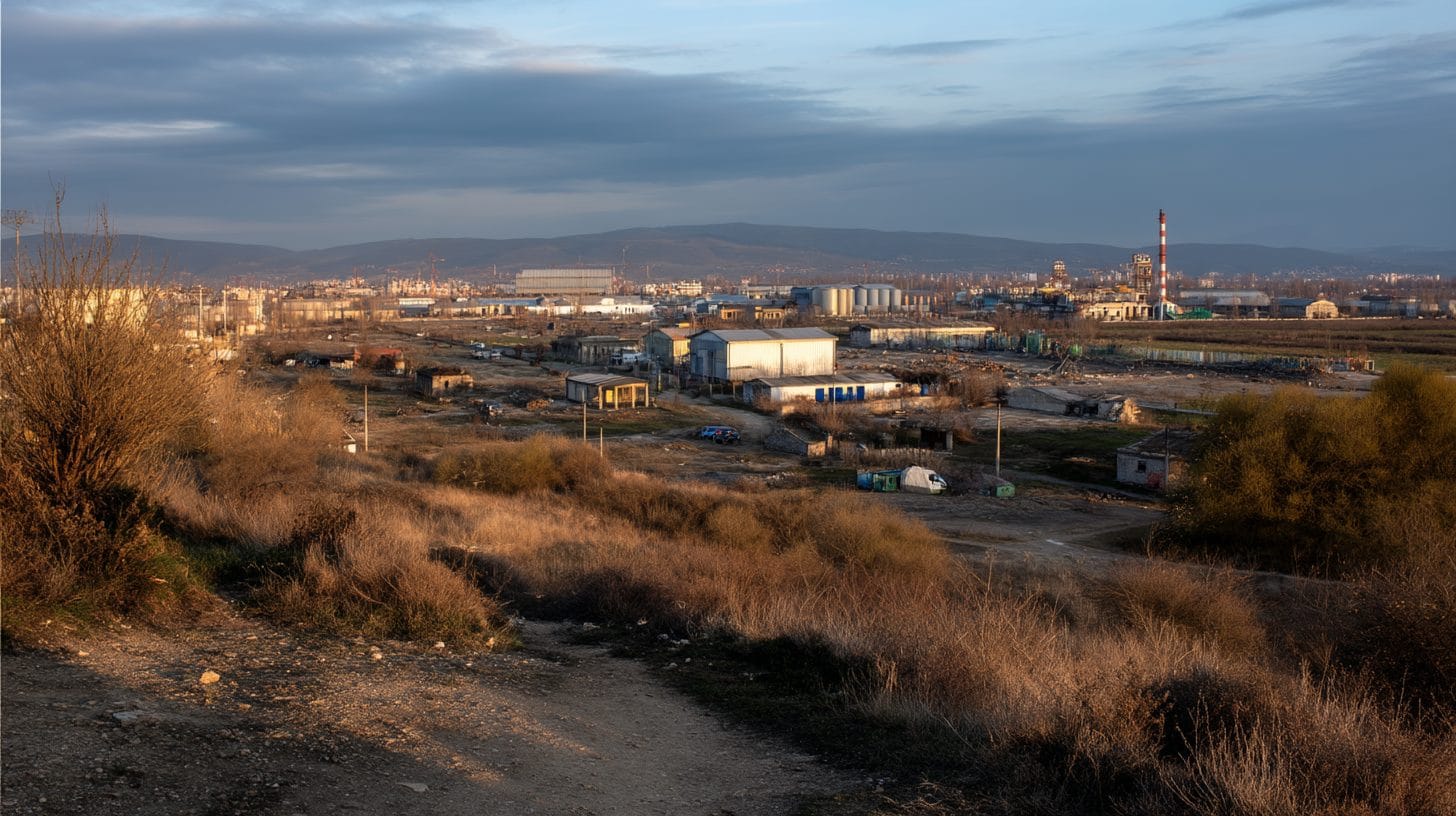
Renovating Historical Properties in Bucharest: A Detailed Guide
Bucharest, the vibrant capital of Romania, is known for its fascinating blend of architectural styles that reflect the city’s rich history. From socialist-era buildings to neoclassical facades and Art Nouveau structures, the eclectic mix of architectural influences makes Bucharest a prime location for renovating historical properties. However, taking on such projects requires a deep understanding of the complexities involved in preserving the unique character of these buildings while meeting modern-day needs. This detailed guide on renovating historical properties in Bucharest aims to provide valuable insight for property owners, investors, and anyone interested in undertaking such projects.
Understanding Historical Preservation in Bucharest
Renovating historical properties in Bucharest is not just about aesthetics; it involves navigating a complex web of regulations and guidelines that protect the city’s cultural heritage. The Romanian Ministry of Culture and relevant local authorities oversee the preservation of historical sites. Properties classified as historical monuments are subject to strict preservation laws that dictate what alterations can be made. Familiarizing yourself with these regulations is crucial before embarking on a renovation project.
Researching and Identifying Historical Properties
The first step in renovating historical properties in Bucharest is identifying suitable buildings. Many resources are available to help you discover historical properties, including local heritage registers, governmental databases, and architectural books that document Bucharest’s historical architecture. When selecting a property to renovate, consider not only its historical significance but also its location, structural integrity, and potential for modern use.
Engaging with Experts
Given the complexities of renovating historical properties, it’s advisable to engage a team of professionals who specialize in historical preservation. This may include architects with experience in restoration, structural engineers, historians, and skilled craftsmen. An experienced architect can help design a renovation that respects the building’s heritage while incorporating modern amenities. Collaborating with artisans skilled in traditional techniques is also essential for preserving the property’s authenticity.
Assessing the Condition of the Property
Before commencing renovation work, a detailed assessment of the property’s condition is mandatory. This typically includes structural evaluations, assessments of the roof, foundation, and walls, and inspections for moisture or pest damage. Understanding the building’s existing conditions allows you to create a realistic renovation plan and budget, ensuring that the renovation aligns with preservation standards.
Developing a Comprehensive Renovation Plan
Once you have assessed the property and engaged the right experts, the next step is developing a comprehensive renovation plan. This plan should outline the scope of work, budget, timeline, and specific preservation strategies. Consider prioritizing repairs that are crucial for maintaining the building’s structural integrity while also planning for future use.
Acquiring Necessary Permits
Renovating historical properties in Bucharest requires obtaining the necessary permits and approvals from local authorities. This can be a time-consuming process involving detailed documentation and illustrations of your renovation plans. Ensure that you allow ample time for this step, as delays in obtaining permits can disrupt the entire project timeline.
Preservation vs. Modernization
A significant challenge in renovating historical properties is striking the right balance between preservation and modernization. While it’s essential to maintain the property’s historical integrity, modern needs such as improved energy efficiency, accessibility, and updated facilities should not be overlooked. Work closely with your architect and design team to integrate modern solutions that do not compromise the building’s historical value, such as using historically compatible materials and technologies.
Selecting Appropriate Materials
The materials you choose for the renovation play a vital role in the success of your project. When restoring historical properties in Bucharest, selecting materials that are authentic to the original design is critical. Use reclaimed or historically accurate materials for replacement or repair work wherever possible. Collaborate with suppliers who specialize in traditional building materials to ensure you are preserving the property’s unique character.
Implementing Sustainable Practices
In recent years, there has been a growing emphasis on sustainability in property development, including the renovation of historical properties. Consider implementing eco-friendly practices by utilizing energy-efficient technologies, sustainable materials, and water-saving installations. This approach not only benefits the environment but can also add long-term value to the property.
Navigating Challenges Along the Way
Renovating historical properties in Bucharest can present various challenges, from unexpected structural issues to delays caused by bureaucracy. Maintaining open communication with your team and being proactive in problem-solving can mitigate these issues. Flexibility is vital; be prepared to adjust your plans as the renovation progresses while remaining committed to the overall vision.
Community Engagement and Support
Renovation projects often attract interest and scrutiny from local communities. Engaging with local residents and stakeholders can help build support for your project and address any concerns they may have. Consider hosting informational sessions, sharing updates on your progress, or collaborating on community-enhancing initiatives to foster goodwill.
Final Touches and Detailing
Once the structural and functional aspects of the renovation are complete, focus on the finishing touches that highlight the property’s historic charm. Incorporate period-appropriate furnishings, decor, and landscaping that align with the building’s history. Attention to detail goes a long way in creating an authentic atmosphere that honors the property’s past.
Celebrating and Promoting Your Renovated Property
After successfully completing your renovation, consider celebrating the accomplishment with an opening event or a promotional campaign. This can help raise awareness of the importance of preserving historical properties in Bucharest and potentially attract future interest in similar projects. Sharing your journey through social media, blogs, or local publications also contributes to the broader conversation about maintaining the city’s architectural heritage.
Conclusion
Renovating historical properties in Bucharest is an exciting endeavor that allows you to play a pivotal role in preserving the city’s rich architectural heritage. By understanding the complexities involved, engaging with expert professionals, and adhering to preservation guidelines, you can successfully navigate the challenges of restoration while revitalizing these beautiful structures for future generations. Whether for personal use, investment, or community benefit, your efforts in breathing new life into historical properties will contribute significantly to Bucharest’s cultural tapestry. Through careful planning, a commitment to authenticity, and a focus on sustainable practices, your renovation project can be both rewarding and impactful in preserving the essence of this remarkable city.
Interested in Land Investment in Romania?
We specialize in high-yield land and property opportunities for serious investors.
VIEW OUR CURRENT PORTFOLIOSecure your investment with Land For Investors.

Published: February 17, 2025