

Investing in real estate is a critical and potentially lucrative avenue, particularly when it comes to foreign investment in Bucharest real estate in Otopeni. The suburb of Otopeni, which is situated just north of Bucharest, presents an array of opportunities and challenges that investors must consider carefully. This article will delve deeply into the pros and cons of investing in Otopeni real estate, providing a balanced view for foreign investors evaluating this burgeoning market.
From its proximity to the Henri Coandă International Airport to its charming residential neighborhoods, Otopeni offers attractive options for various types of investors, including those interested in residential, commercial, and mixed-use real estate. However, like any investment, entering the Otopeni real estate market requires careful evaluation of both advantages and disadvantages.
On the pro side, the strategic location of Otopeni is a significant asset in driving foreign investment in Bucharest real estate. Its proximity to the capital city of Romania makes it an appealing location for those who want to take advantage of the growth and development of Bucharest while enjoying a quieter suburban lifestyle. This location is particularly attractive to expatriates, business travelers, and families who need easy access to the city while valuing the peace of a suburban environment.
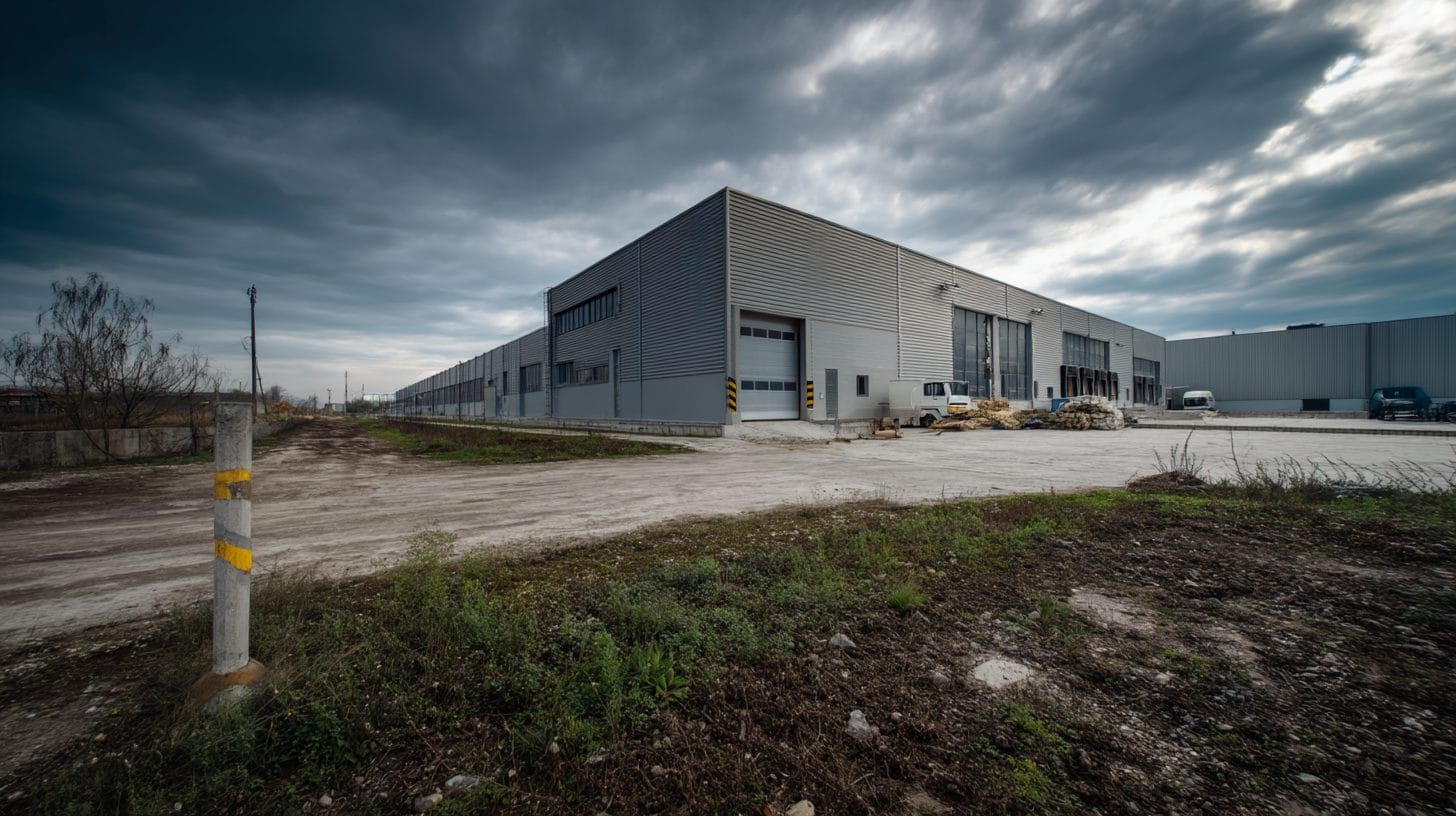
Another noteworthy advantage is Otopeni’s increasing attractiveness to commercial businesses. As infrastructure and connectivity improve, the area is witnessing a rise in commercial developments, including retail centers and office buildings. This trend signifies a growing demand for both residential and commercial properties, thus amplifying the potential for capital appreciation and rental yields.
The real estate market in Otopeni is also becoming more organized and regulated, which is a significant benefit for foreign investors. Enhanced legal frameworks and property rights add a layer of security and confidence in real estate investments, making it easier for international investors to navigate the market. Consequently, this leads to greater foreign investment in Bucharest real estate in Otopeni, further stimulating economic activity in the region.
Moreover, property prices in Otopeni are generally lower than those in central Bucharest. For foreign investors keen on cost-effective opportunities, this affordability can be an attractive selling point. As demand continues to grow and new developments are introduced, property values are likely to increase, presenting an opportunity for significant returns on investment.
However, while the advantages are compelling, foreign investment in Bucharest real estate in Otopeni is not without its challenges. One of the primary concerns is the ongoing economic and political fluctuations in Romania. Although the country has made strides towards economic stability, uncertainties related to government policies can affect property markets. International investors must remain mindful of such factors and keep updated on local developments that could impact their investments.
Another critical consideration is the ongoing development in Otopeni itself. While new infrastructure can enhance property values, it can also pose challenges. Construction projects can lead to disruptions, increased traffic, and reduced quality of life in the short term, which could deter potential renters or buyers. Investors need to assess the zoning plans and upcoming developments related to their investment properties to understand better how they may be affected.
Foreign investors may also encounter difficulties in understanding local customs, regulations, and the real estate landscape in Romania. The legal and bureaucratic processes can be daunting for those unfamiliar with the local market, and missteps can lead to delays or financial losses. Therefore, engaging local experts or real estate agents who understand the nuances of the market can be essential to mitigate risk.
Environmental factors also play a critical role in real estate investment. Otopeni’s proximity to the airport, while advantageous, can pose challenges related to noise and air pollution. Potential investors should conduct thorough due diligence when evaluating properties in the area to ensure they meet the needs and expectations of potential future residents and tenants.
Furthermore, the rental market in Otopeni, while promising, presents its own set of challenges. Investors must account for tenant turnover, maintenance costs, and competition from other rental properties in the area. Understanding the dynamics of the rental market and engaging effective property management is crucial for maximizing the investment’s profitability.
Lastly, despite its advantages, property prices in Otopeni may not experience the swift appreciation seen in more established neighborhoods within Bucharest. Investors should be prepared for a longer investment horizon to realize significant returns, and this can affect negotiations and financial strategy.
In conclusion, the pros and cons of investing in Otopeni real estate present a complex yet rewarding landscape for foreign investors in Bucharest real estate. The strategic location, burgeoning infrastructure, and relatively affordable property prices create attractive opportunities, while political, procedural, and market dynamics pose challenges that cannot be overlooked. To navigate this environment successfully, investors must conduct thorough research, enlist local expertise, and meticulously evaluate both current trends and long-term forecasts in the Otopeni real estate market. By balancing these aspects, foreign investors can strategically position themselves to reap the benefits of investing in one of Romania’s most promising real estate suburbs.
Interested in Land Investment in Romania?
We specialize in high-yield land and property opportunities for serious investors.
VIEW OUR CURRENT PORTFOLIOSecure your investment with Land For Investors.

Published: June 21, 2025