

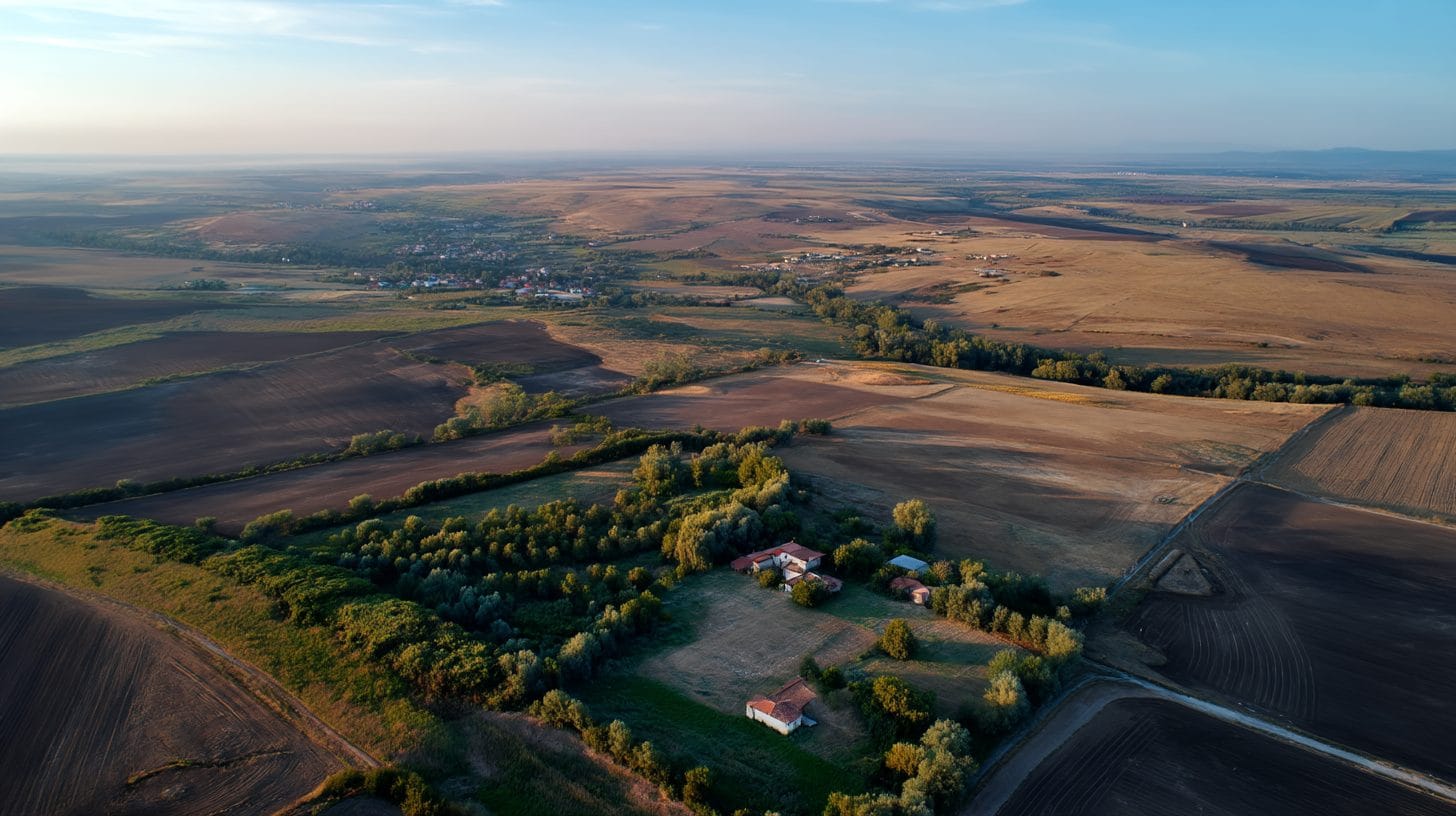
Planning for Future Development on Land in Clienceni, Ilfov
The expansion and development of urban areas has become a pressing concern for many regions, especially in rapidly growing municipalities like Clienceni in Ilfov County, Romania. As the demand for residential, commercial, and industrial spaces increases, carefully crafted plans for land development are essential to ensure sustainable growth that respects the environment and the needs of future residents. This article explores the critical aspects of planning for future development on land in Clienceni, Ilfov, addressing the various factors that need to be considered in order to create a successful development strategy.
Understanding the Local Context
Before delving into the specifics of land development in Clienceni, it’s essential to understand the local context. Clienceni is situated in the Ilfov County, which is known for its proximity to the capital city of Bucharest. This advantageous location offers significant opportunities for development, attracting potential investors and residents alike. However, with rapid urbanization comes the challenge of managing growth in a way that balances economic development with environmental sustainability and social equity.
Strategic Land Use Planning
A comprehensive land use plan is vital for ensuring that future development in Clienceni is guided by clear objectives and principles. This plan should encompass a variety of land uses, including residential areas, commercial centers, green spaces, and industrial sites. In preparing a strategic land use plan, developers and local authorities should consider several key elements:
1. Zoning Regulations: Establishing effective zoning regulations is crucial for dictating what types of developments can occur in specific areas. Zoning can help prevent conflicts between different land uses, such as residential and industrial, and promote a balanced urban environment.
2. Infrastructure Capacity: As Clienceni grows, it is essential to assess the capacity of existing infrastructure, including roads, public transport, water supply, sewage systems, and electricity. Planning for future development should include provisions for upgrading and expanding infrastructure to accommodate anticipated growth.
3. Environmental Considerations: Sustainable development should prioritize ecological preservation, ensuring that natural resources are protected. This means conducting thorough environmental impact assessments before embarking on new projects, engaging with community stakeholders, and incorporating green spaces into the development plan to enhance the quality of life for residents.
4. Community Engagement: Involving the local community in the planning process is crucial for garnering support and addressing potential concerns. Regular consultations, public meetings, and collaboration with local organizations can help ensure that development aligns with the needs and desires of current and future residents.
Economic Development Strategies
In addition to land use planning, future development in Clienceni should also focus on economic growth strategies. Leveraging Clienceni’s strategic positioning near Bucharest, the following economic development initiatives can be incorporated into development plans:
1. Diversifying Economic Activities: To foster a robust local economy, it’s essential to encourage a mix of economic activities, including light industrial, commercial, and service sectors. Creating zones for these activities will attract investors and generate jobs, ultimately contributing to the area’s long-term economic health.
2. Promoting Sustainable Business Practices: Encouraging sustainable businesses can enhance the region’s appeal to environmentally conscious investors. Incentives for green building practices, energy-efficient technologies, and sustainable supply chains can be incorporated into development agreements, thereby setting a precedent for future projects.
3. Supporting Small and Medium Enterprises (SMEs): A thriving local economy hinges on the success of SMEs. By providing business incubation services, access to funding, and resources for entrepreneurship, Clienceni can foster a vibrant small business ecosystem, creating jobs and stimulating local growth.
Transportation and Connectivity Planning
As Clienceni grows, the planning of transportation infrastructure must be aligned with land development goals. Improved connectivity will enhance access to services and economic opportunities for residents. This entails:
1. Developing Efficient Public Transport Systems: By investing in public transportation options such as bus rapid transit (BRT) or light rail, Clienceni can improve accessibility while reducing traffic congestion and carbon footprints.
2. Creating Walkable Communities: Future development should prioritize walkability by designing neighborhoods that encourage pedestrian access to shops, schools, and parks. This type of urban design not only enhances quality of life but also promotes healthier lifestyles.
3. Enhancing Road Network: Expanding and upgrading the existing road network is essential to accommodate increased traffic resulting from new developments. Strategic planning of road systems can also reduce bottlenecks and enhance the overall traffic flow in Clienceni.
Housing Development and Affordability
Ensuring diverse housing options is a key aspect of future development in Clienceni. The growing population will require a mix of housing types to meet various socio-economic needs. Developers should consider the following strategies:
1. Mixed-Use Developments: Integrating residential units with commercial and recreational spaces within the same development promotes a sense of community while reducing residents’ travel needs.
2. Affordable Housing Initiatives: With rising property prices, affordable housing solutions are critical. Collaborating with local authorities to provide incentives for developers to include affordable units in their projects can foster socio-economic diversity within the community.
3. Sustainable Housing Designs: Utilizing eco-friendly materials and construction practices can enhance housing developments’ sustainability while reducing long-term utility costs for residents.
Conclusion
In summary, planning for future development on land in Clienceni, Ilfov requires a multifaceted approach that incorporates strategic land use planning, economic development, transportation connectivity, and affordable housing. By prioritizing community engagement, sustainability, and infrastructure capacity, stakeholders can create a comprehensive development plan that meets the needs of current and future residents while promoting economic growth and environmental stewardship. As Clienceni continues to evolve, thoughtful planning and collaborative efforts will be essential in ensuring that the area remains a desirable place to live, work, and invest. By forging a path forward through careful consideration of these components, Clienceni can effectively manage its growth and aspire toward a prosperous future.
In the landscape of rapid urbanization in Romania, the potential to transform Clienceni into a dynamic, well-planned community is immense; it merely requires dedicated efforts towards effective land development planning. For anyone looking to engage in the development of land in Clienceni, embracing these principles will pave the way for a successful and sustainable future.
Interested in Land Investment in Romania?
We specialize in high-yield land and property opportunities for serious investors.
VIEW OUR CURRENT PORTFOLIOSecure your investment with Land For Investors.

Published: March 16, 2025