

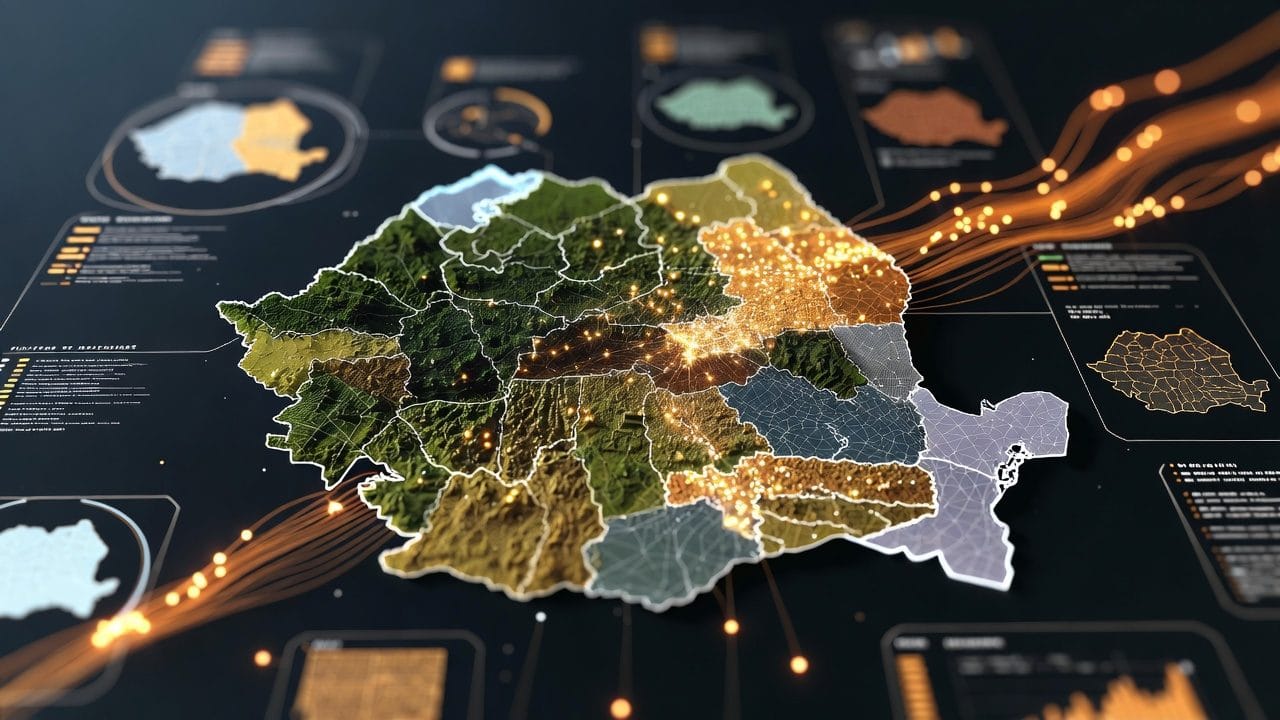
Investing in mixed-use land in Transylvania presents a unique opportunity for foreign and English-speaking investors looking to diversify their real estate portfolios. With its stunning landscapes, rich cultural heritage, and growing infrastructure, Transylvania has become an attractive hotspot for various types of real estate investments, including residential, commercial, and even hospitality schemes. However, before diving into this promising market, it’s crucial for investors to understand the distinct characteristics of mixed-use developments in this region, as well as the local market dynamics.
Understanding Mixed-Use Land Investment
A mixed-use land investment typically combines residential, commercial, and sometimes recreational elements within a single development. In the context of Transylvania, this could mean a complex that features housing units alongside retail spaces, offices, and leisure facilities. This type of development maximizes land use efficiency and appeals to a broader range of potential tenants or buyers, enhancing the project’s overall viability.
The appeal of investing in mixed-use land in Transylvania is fortified by ongoing urbanization and economic growth. The region has seen a steady influx of both local and foreign residents drawn to its lifestyle advantages, thus creating demand for housing and services. Additionally, the evolving economic environment in Romania presents opportunities for creative investors willing to capitalize on the synergies that mixed-use projects can offer.
Market Research: Trends and Demographics
As with any investment, conducting thorough market research is imperative. Transylvania’s unique demographics play a significant role in shaping the potential success of a mixed-use land investment. The area attracts a dynamic mix of local and expatriate residents, including young professionals, families, and retirees. Understanding the preferences and spending habits of these groups will inform decisions regarding the types of amenities and services to incorporate in a mixed-use development.
In recent years, the trend towards sustainable living has gained traction in Transylvania, aligning with global shifts toward eco-friendly construction techniques and community-centric planning. Investors should consider incorporating green building practices and sustainable features into their mixed-use projects, as these aspects not only appeal to environmentally conscious consumers but can also lead to long-term cost savings.
Legal Considerations and Land Regulations
Foreign investors must also navigate the legal landscape specific to land ownership and real estate transactions in Romania. Romania has specific regulations that govern foreign ownership of land, and understanding these laws is vital before making any investment. It is crucial to work with local real estate experts who can provide insights into zoning regulations, building permits, and any restrictions related to mixed-use developments.
Additionally, the Romanian government implements various incentives to promote investment in real estate, particularly in underdeveloped areas. Understanding these incentives may provide lucrative advantages for investors keen on setting up mixed-use projects in Transylvania.
Economic Indicators to Watch
Investors should be aware of Transylvania’s economic metrics while considering mixed-use land investments. Key indicators include population growth, job market health, infrastructure development, and tourism statistics. The emerging sectors within the region, such as technology and education, are also important; as a growing workforce emerges, the demand for housing and services in urban centers is expected to surge.
Recent investments in transportation infrastructure, such as road expansions and improvements in public transit systems, enhance accessibility to Transylvanian cities and towns. This development is increasingly attractive for residential and commercial projects, as the ability to reach urban centers swiftly is vital for both residents and businesses.
Risk Assessment
Any investment comes with risks, and investing in mixed-use land in Transylvania is no exception. Pricing fluctuations, regulatory changes, and shifts in consumer preferences are factors that can impact profitability. Conducting SWOT (Strengths, Weaknesses, Opportunities, Threats) analysis of a specific project can offer insights into potential challenges and advantages.
Moreover, keeping an eye on global economic trends and their possible impact on the Romanian market can prepare investors for unforeseen circumstances. Understanding the ripple effects of trade agreements, currency fluctuations, and geopolitical factors will help maintain an informed investment strategy.
Conclusion
Mixed-use land investment in Transylvania offers a promising avenue for foreign investors seeking to diversify their portfolios in Eastern Europe. By understanding regional demographics, legal considerations, economic indicators, and potential risks, investors can position themselves effectively in this vibrant market. As demand for integrated living and working environments continues to grow, savvy investors who capitalize on these opportunities will likely reap significant rewards. Engaging with local experts and remaining adaptable to market changes will be key strategies for success.
Interested in Land Investment in Romania?
We specialize in high-yield land and property opportunities for serious investors.
VIEW OUR CURRENT PORTFOLIOSecure your investment with Land For Investors.

Published: February 2, 2026