

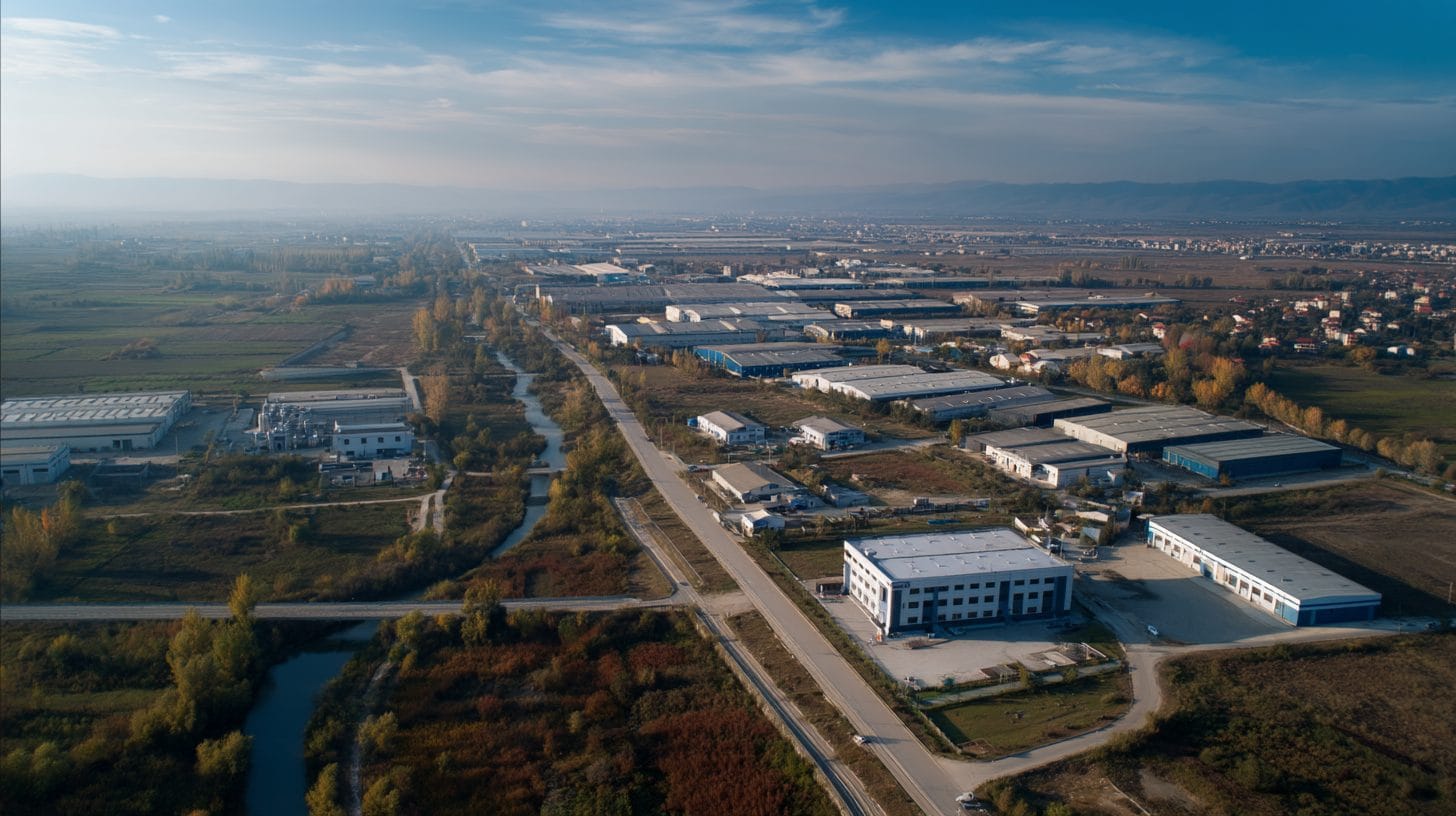
Legal Requirements for Foreign Investors in Romania’s Real Estate Market
As Romania emerges as a focal point for foreign investment, particularly in the real estate sector, understanding the legal requirements for foreign investors is imperative to navigate this growing market. Romania’s transition into a dynamic European hub offers numerous opportunities, yet it comes with specific regulations and legislative frameworks established to protect both the interests of investors and the integrity of the property market.
Romania’s legal framework distinguishes between EU citizens and non-EU citizens in terms of property ownership, creating a dual pathway that foreign investors must comprehend. This article delves into the legal requirements for foreign investors in Romania’s real estate market, providing a comprehensive guide to facilitate informed investment decisions.
1. Understanding Property Ownership Regulations
The first critical step for foreign investors in Romania is understanding the legal capacity to acquire real estate. Under Romanian law, foreign nationals from EU member states can directly purchase land and real estate without restrictions. This is in accordance with the Treaty on the Functioning of the European Union, which guarantees the free movement of capital and the right to own property for EU residents.
However, non-EU citizens face different conditions. Non-EU nationals can acquire property rights in Romania but typically must establish a Romanian company to do so. This requirement stems from the Land Law No. 17/2014, which stipulates that non-EU citizens are not allowed to buy agricultural or forest land and can only purchase other types of real estate through a locally registered business entity.
2. Establishing a Local Entity
For non-EU investors, setting up a Romanian legal entity often becomes an essential pathway to investment in the real estate sector. The most common structures include limited liability companies (SRL) and joint-stock companies (SA), with the limited liability company being the preferred option due to its flexibility and simpler regulatory requirements.
Incorporation involves several steps, including choosing a company name, drafting the articles of association, and registering the entity with the National Trade Register Office. Additionally, investors must ensure compliance with the local taxation system and accounting standards, which may involve hiring local legal and financial professionals to maintain regulatory adherence.
3. Obtaining Necessary Permits and Approvals
Regardless of whether the investor is EU or non-EU, purchasing real estate in Romania often necessitates obtaining specific permits and approvals. Depending on the property’s category (residential, commercial, or agricultural), additional regulations may apply.
For instance, if the investor intends to significantly develop the property (e.g., building new constructions or significantly renovating existing buildings), they will need to acquire a building permit from the local authorities. This process involves submitting detailed documentation, including architectural plans, land use approvals, and environmental assessments.
4. Due Diligence of Real Estate Transactions
Conducting thorough due diligence is a non-negotiable aspect of investing in real estate. Foreign investors should investigate the legal standing of the property and ensure there are no encumbrances, such as mortgages, liens, or legal disputes associated with the property. This process typically involves obtaining an extract from the Land Registry, which provides information about the property’s ownership history and any existing claims.
Additionally, it’s crucial to verify the zoning regulations applicable to the specific area where the property is located. Understanding local and regional development plans can help foreign investors anticipate future changes that may impact their investment, whether positively or negatively.
5. Tax Implications and Obligations
Taxation represents another essential aspect of Romania’s legal framework for foreign investors in the real estate market. When acquiring property, investors need to consider several taxes, including the value-added tax (VAT), registration tax, and annual property tax that are applicable based on the property’s type and location.
Foreign investors should also be aware of income tax obligations on rental income, capital gains tax upon selling properties, and possible double taxation treaties that Romania might have with the investor’s home country. Consulting with a qualified tax advisor can provide clarity regarding these obligations and help in strategic tax planning, enhancing the overall investment ROI.
6. Employing Local Legal Expertise
Given the complexity of navigating legal requirements surrounding foreign investments in Romania’s real estate market, it is highly advisable for investors to engage local legal expertise. Legal advisors can provide insights into compliance with property laws, assist with negotiating purchase agreements, and offer guidance on potential pitfalls to avoid.
Moreover, employing expertise is particularly beneficial in drafting leases, conducting negotiations, and ensuring that all contractual agreements align with Romanian legal standards. This legal support can ultimately safeguard the investor’s interests and contribute to a smoother investment experience.
7. Consideration of Local Market Dynamics
Apart from understanding legal requirements, foreign investors must take into account the broader market dynamics affecting the Romanian real estate sector. Market conditions can fluctuate significantly due to economic trends, regulatory changes, and demographic shifts within the population.
Investors should conduct market analysis, assess property locations, and evaluate current and future demand to optimize their investment strategies. Local real estate agencies can provide valuable insights, helping foreign investors make data-driven decisions that align with market trends.
Conclusion
Navigating Romania’s real estate market as a foreign investor involves understanding various legal requirements, compliance with regulatory frameworks, and making informed decisions rooted in thorough due diligence and local market analysis. Whether you are a citizen of the EU or a non-EU national looking to tap into Romania’s real estate potential, a clear grasp of the regulations and strategic engagement with local expertise are essential.
Investing in real estate can yield significant rewards in Romania, provided investors are well-informed and prepared to meet all legal requirements, thereby ensuring a secure and successful investment journey in this vibrant Eastern European market. As Romania continues to progress, it opens up avenues for growth and opportunity for foreign investors willing to navigate the evolving landscape of its real estate sector.
Interested in Land Investment in Romania?
We specialize in high-yield land and property opportunities for serious investors.
VIEW OUR CURRENT PORTFOLIOSecure your investment with Land For Investors.

Published: March 24, 2025