

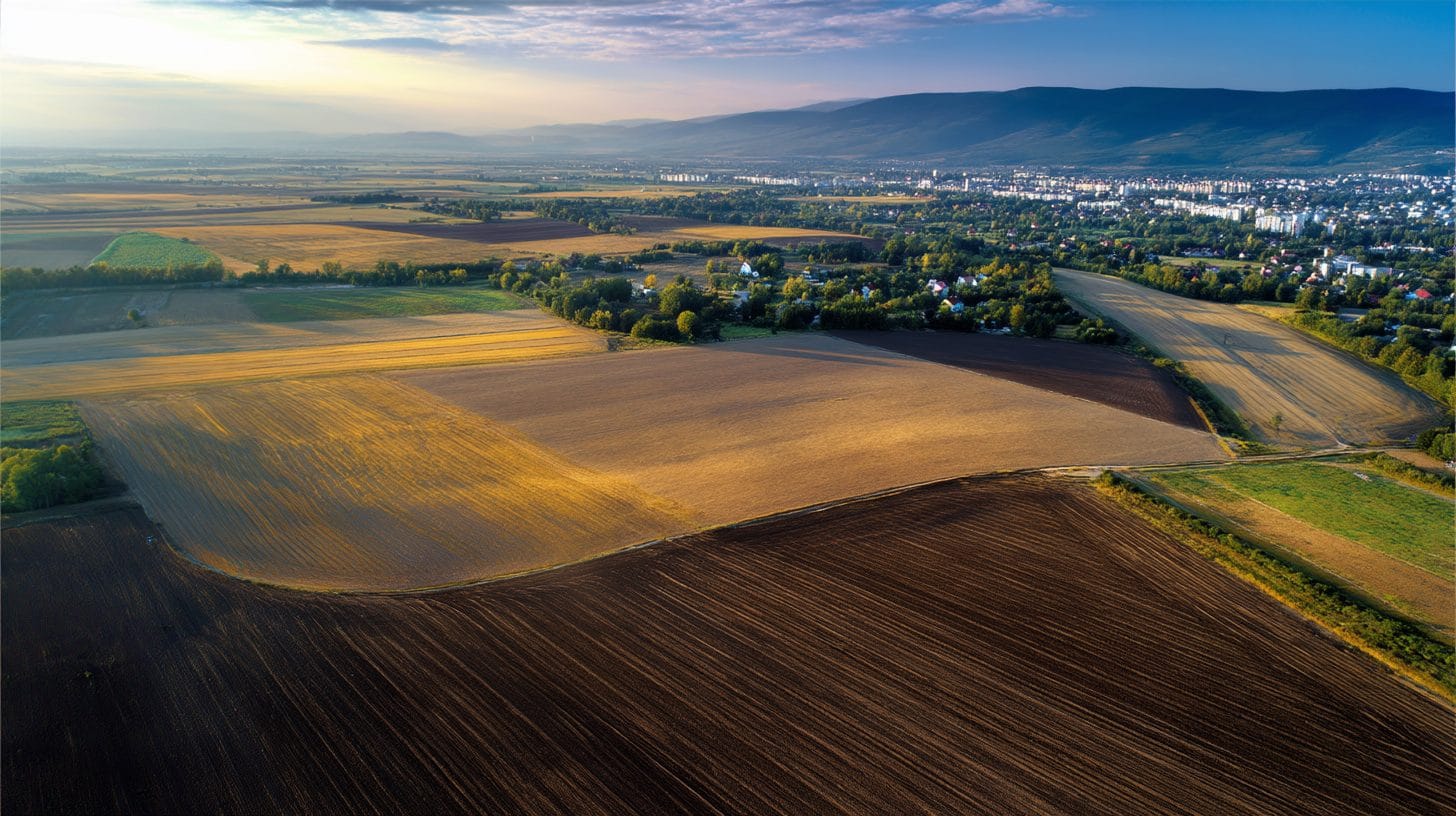
Land Prices in Otopeni vs. Bucharest: What You Should Know
When considering real estate investment opportunities in Romania, two key locations often come to mind: Bucharest, the bustling capital, and Otopeni, a small town situated just north of the capital. Investors are increasingly looking toward these areas for various reasons, including potential growth, proximity to amenities, and price variations. Understanding the differences in land prices between Otopeni and Bucharest is essential for making informed decisions in the real estate market. This article will navigate the land price dynamics, market trends, and investment potential in these locations to equip you with valuable insights.
The Real Estate Landscape in Bucharest
Bucharest is Romania’s economic, cultural, and political hub, making it a magnet for both local and foreign real estate investors. The city has seen fluctuations in land prices due to various factors, including demand, urban development initiatives, and infrastructure improvements. Currently, the average land price in Bucharest varies significantly by district, but as a general benchmark, land in central areas can fetch between €1,000 and €3,000 per square meter, while outskirts and less developed areas can be priced between €300 and €800 per square meter.
The high demand for residential, commercial, and recreational developments has led to a competitive real estate investment environment in Bucharest. Ongoing urbanization and infrastructural investments, such as the expansion of public transport systems and the development of new commercial zones, continue to push land prices upward, making Bucharest a hotbed for real estate investment. Furthermore, foreign investments in technology and services have stimulated job creation, which in turn increased the population and the demand for housing.
The Allure of Otopeni
In contrast, Otopeni offers a unique alternative to investors. Located approximately 15 kilometers north of Bucharest, Otopeni is home to Henri Coandă International Airport, which enhances its desirability for both residential and commercial real estate projects. Otopeni presents a quieter living environment while still being close enough to the bustle of Bucharest. The average land prices in Otopeni are considerably lower, generally ranging from €200 to €600 per square meter.
The town’s growth is largely attributed to its strategic location and the demand for more spacious living, especially as urban sprawl pushes families into suburban areas. Many people working in Bucharest choose to live in Otopeni because of the balance it offers between proximity to the capital and a more relaxed lifestyle. The combination of lower land prices and appealing living conditions makes Otopeni an attractive location for real estate investment.
The Price Disparity: Bucharest vs. Otopeni
One of the most attractive aspects for investors is the notable price disparity between Bucharest and Otopeni. While land prices in Bucharest continue to surge, the relative affordability of Otopeni presents a lucrative opportunity for buyers looking to capitalize on the growing market. Investors can acquire larger parcels of land at a fraction of the cost they would pay in Bucharest, providing opportunities for residential developments, commercial projects, or even mixed-use properties.
Furthermore, with an influx of people moving to Otopeni in search of more spacious homes and better living conditions, the potential for increased land prices is apparent. As infrastructure continues to develop, including transportation links that make commuting easier, the region is poised for growth. For investors, this means that acquiring land in Otopeni may yield a higher return on investment as the area becomes more sought-after.
Future Trends: Urbanization and Infrastructure Development
Analyzing the future trends that impact land prices is crucial for investors. Both Bucharest and Otopeni are experiencing rapid urban development, but the focus and pace differ between the two locales. Bucharest’s growth is ongoing, but increased costs and saturation in prime areas may lead to diminishing returns on investment over time. Conversely, Otopeni is in a phase of expansion with significant ongoing and planned infrastructure projects, including transportation links, retail developments, and residential complexes.
Investment potential in Otopeni may also be bolstered by government incentives aimed at attracting businesses and families to suburban areas, easing the population density in Bucharest. This proactive approach can lead to a better quality of life for residents and more attractive investment conditions for developers and investors seeking opportunities.
Conclusion: Weighing Your Options
When contemplating real estate investment Bucharest in Otopeni, investors should take several factors into account. While Bucharest continues to be a principal choice due to its economic opportunities and vibrant lifestyle, Otopeni presents a compelling alternative with lower land prices and growth potential. Investors must carefully assess their long-term goals, including their appetite for risk, desired return on investment, and market trends.
In conclusion, both Bucharest and Otopeni have their unique appeals and challenges. By staying informed about market dynamics, understanding urbanization trends, and strategically evaluating land prices, investors can make well-informed decisions that align with their investment objectives. As Romania continues to grow and evolve, the real estate landscape in both Bucharest and Otopeni will undoubtedly transform, presenting opportunities and challenges alike. Therefore, a thorough exploration of both locales should be a priority for any prospective investor in Romanian real estate.
Interested in Land Investment in Romania?
We specialize in high-yield land and property opportunities for serious investors.
VIEW OUR CURRENT PORTFOLIOSecure your investment with Land For Investors.

Published: June 15, 2025