

Land Prices in Clinceni vs. Bucharest: What You Should Know
As the real estate market in Romania continues to evolve, the price dynamics of land in Clinceni and Bucharest have become a topic of keen interest, especially for foreign investors looking to tap into opportunities in Bucharest and its surroundings. This article aims to provide a comprehensive analysis of the differences in land prices between Clinceni and Bucharest, the factors influencing these variations, and the implications for foreign investment in Bucharest real estate in Clinceni.
Understanding the Geography
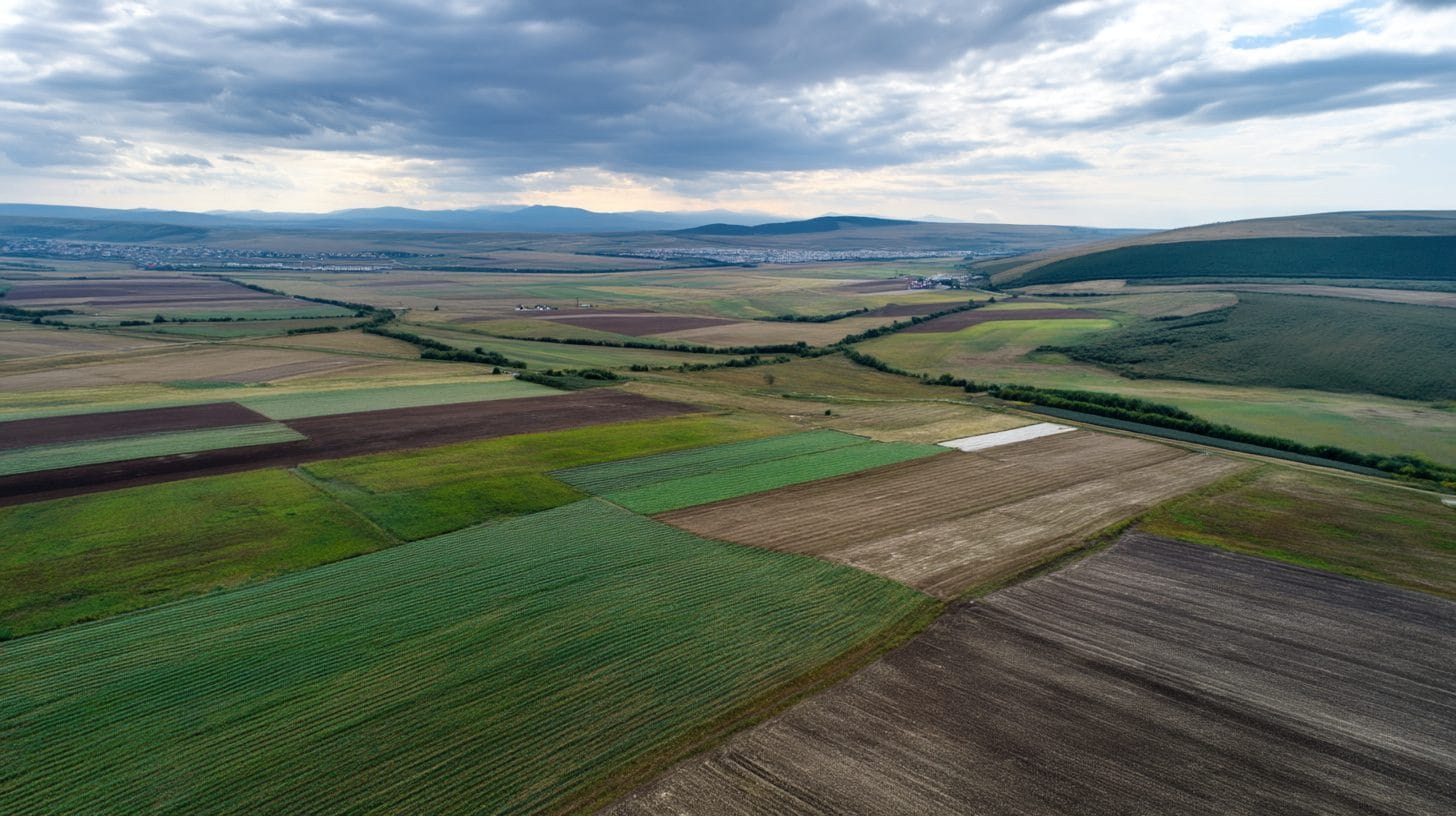
Clinceni is a small town located just 15 kilometers south of Bucharest, the capital of Romania. Its proximity to Bucharest makes it an attractive alternative for families and businesses looking for more spacious living conditions while staying close to the urban center. With the rapid urbanization of Bucharest, many people have started moving to surrounding areas like Clinceni, increasing the demand for land and real estate.
In contrast, Bucharest is not only the capital city but also the largest urban center in Romania, characterized by its dense population and vibrant economy. As a result, land prices in Bucharest are generally higher, reflecting the city’s status as a commercial and cultural hub.
Land Prices in Bucharest
The land prices in Bucharest vary significantly depending on the neighborhood, accessibility, and the type of development. As of 2023, the average price per square meter of land in prime areas of Bucharest can reach anywhere from 1,200 to 3,800 EUR, especially in sought-after districts like Dorobanti, Herastrau, and Unirii. Factors such as proximity to public transport, amenities, and schools significantly influence these prices.
Developers and foreign investors keen on acquiring land for residential, commercial, or mixed-use developments will find that Bucharest’s land prices can provide higher returns on investment due to the city’s high demand and growth potential. However, navigating the complexities of the market and understanding the intricacies of land acquisition and development regulations in Bucharest is crucial for successful investments.
Land Prices in Clinceni
While Clinceni offers more affordable land options relative to Bucharest, its prices have been steadily increasing as more people consider relocating from the capital. The average price per square meter in Clinceni currently ranges from approximately 50 to 150 EUR, demonstrating a stark contrast to the rates seen in Bucharest’s prime areas. Despite its lower price point, Clinceni’s land market has seen significant activity due to its favorable environment, larger plots, and emerging residential developments.
Foreign investors looking for opportunities in Clinceni can benefit from the area’s growth potential, which is being driven by increasing demand for residential properties from individuals and families who seek a quieter lifestyle away from the hectic pace of the city. The town is experiencing infrastructural developments and improved access to Bucharest, making it an attractive option for future investment.
Factors Influencing Land Prices
Several factors influence land prices in both Clinceni and Bucharest. Understanding these drivers is essential for foreign investors looking to make informed decisions.
1. Demand and Supply: The demand for residential properties in both areas is driven by lifestyle changes, urbanization, and an influx of residents. Bucharest’s higher demand results in significant price differences when compared to Clinceni.
2. Infrastructure Development: Improvements in transportation, utilities, and services significantly impact land prices. Areas experiencing infrastructural upgrades often see a rise in land values, which is evident in Clinceni and its surrounding regions.
3. Economic Conditions: The overall state of the economy influences real estate prices. Booming economic conditions result in increased investment in real estate, including foreign investment in Bucharest real estate, leading to rising land prices.
4. Government Policies: Local and national government policies relating to urban planning, zoning, and foreign investments can affect land availability and pricing in both Clinceni and Bucharest.
5. Market Trends: Trends in the real estate sector, such as consumer preferences and investment trends, continue to shape both local and regional markets.
The Advantages of Investing in Clinceni
For foreign investors, Clinceni presents several advantages worth considering:
1. Lower Entry Costs: The significantly lower land prices in Clinceni provide a more accessible entry point for foreign investors. This affordability allows for larger development projects or multiple smaller investments than might be feasible in Bucharest.
2. Growth Potential: Clinceni’s rapid expansion and development reflect strong growth potential. As urban sprawl continues, investing in Clinceni can yield higher return rates as the area develops.
3. Family-oriented Environment: Clinceni offers a residential environment that appeals to families seeking more space, green areas, and a tranquil lifestyle. This trend is currently attractive for buyers, making it a lucrative venture for builders and developers.
4. Proximity to Bucharest: Clinceni’s close proximity to Bucharest enables easy access to the capital’s services and attractions while providing a more serene living setting. As the demand for suburban living continues to grow, this factor works to Clinceni’s advantage.
5. Emerging Infrastructure: Investment in roads, public transport, and utilities supports the growth of Clinceni. This ongoing development fosters a favorable environment for real estate investment.
The Risks to Consider
While Clinceni presents numerous opportunities, foreign investors should also consider the potential risks:
1. Market Saturation: Rapid growth could lead to market saturation, which may affect land values negatively in the long run.
2. Regulatory Challenges: Foreign investors should navigate local regulations, zoning laws, and land acquisition rules carefully to avoid potential setbacks.
3. Economic Factors: A downturn in economic conditions could affect property values and market viability in both Bucharest and Clinceni.
4. Variability in Demand: While demand is increasing, market fluctuations can lead to variability in property prices and investment returns.
Conclusion
In summary, understanding the differences in land prices between Clinceni and Bucharest is crucial for foreign investors looking to capitalize on opportunities in Romania’s burgeoning real estate market. While land prices in Bucharest reflect its status as the capital and main economic center, Clinceni offers an attractive alternative with its lower prices and significant growth potential. As urbanization trends continue to shape the landscape, Clinceni represents a promising investment location for those looking to engage in the broader market dynamics of foreign investment in Bucharest real estate in Clinceni. With careful consideration of the market conditions, investment potential, and inherent risks, investors can make informed decisions that align with their strategic objectives.
Interested in Land Investment in Romania?
We specialize in high-yield land and property opportunities for serious investors.
VIEW OUR CURRENT PORTFOLIOSecure your investment with Land For Investors.

Published: June 23, 2025