

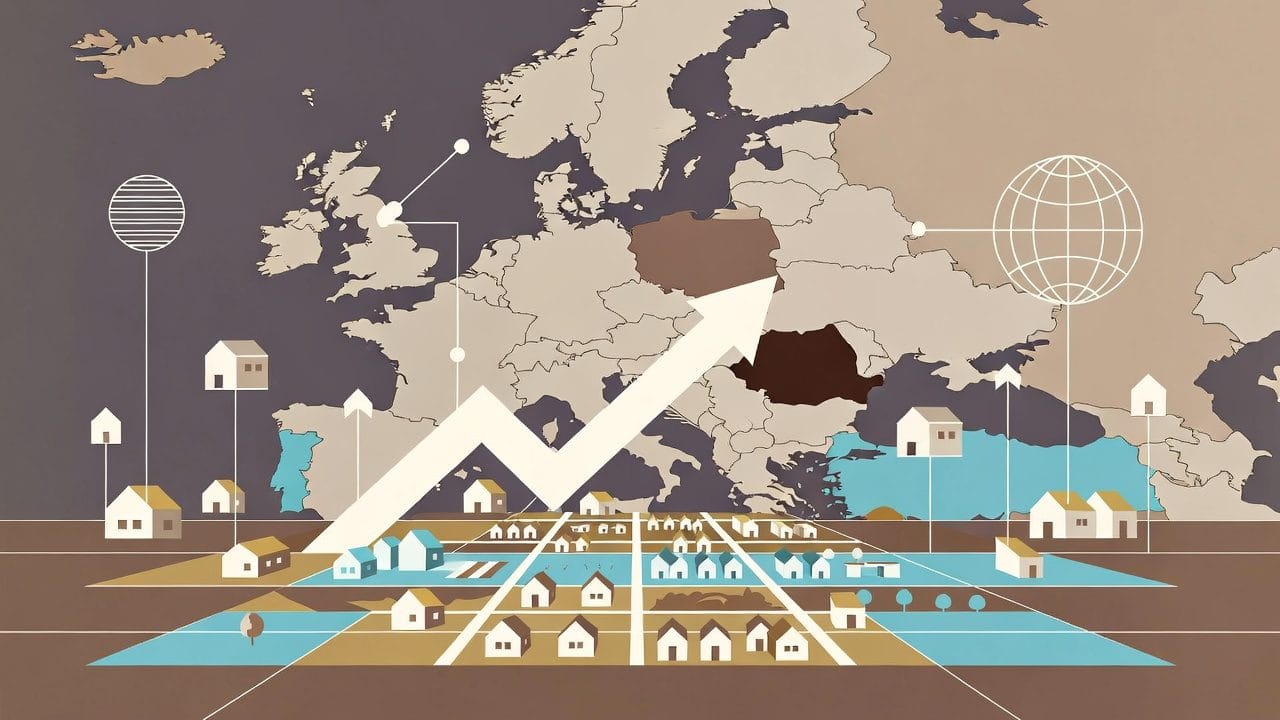
Investing in retail land located in airport proximity in Transylvania could be a strategic move for investors looking to capitalize on Romania’s growing economy and increasing air traffic. The rapid expansion of travel and tourism in this region, combined with the rise in e-commerce, creates a unique opportunity for investors. As the demand for retail spaces continues to escalate, understanding the market dynamics of retail land in close proximity to airports becomes crucial for making informed investment decisions.
Overview of the Retail Landscape in Transylvania
Transylvania, known for its rich history and stunning landscapes, is undergoing significant development. The region is attracting both local and international business investment, making it an appealing destination for retail ventures. Urban centers such as Cluj-Napoca and Brașov are experiencing accelerated growth, fueled by increased accessibility through the expansion of major airports like Avram Iancu Cluj International Airport and Henri Coandă International Airport in Bucharest, which is not far from the region.
The retail landscape in Transylvania is diverse, featuring everything from small boutiques to large commercial complexes. The presence of international retailers further indicates a healthy competitive environment, driving opportunities for new market entrants. The synergy between retail businesses and transportation hubs creates a dynamic commercial ecosystem where accessibility plays a key role in consumer behavior.
Importance of Airport Proximity for Retail Investments
Retail land located near airports benefits from high foot traffic and easy access, factors that significantly enhance a retail operation’s customer reach and sales potential. Investors should consider that impulsive purchasing behaviors often occur in travel situations; therefore, proximity to an airport has the intrinsic ability to generate spontaneous buying. Additionally, as more tourists visit Transylvania, retail locations near airports can cater to this influx, creating additional revenue streams.
When evaluating retail land airport proximity in Transylvania for sale, it is vital to assess how the location enables businesses to attract both local residents and tourists. Locations close to busy airport terminals can harvest unique advantages, such as increased visibility, brand recognition, and the potential for strategic partnerships with hospitality and tourism sectors. This can result in diversified income through retail, dining, and entertainment options.
Market Trends Impacting Retail Land Values
Several market trends influence the value of retail land for sale near airports in Transylvania. Key drivers include rising tourism, changing consumer preferences, technological advancements in retail, and urbanization trends.
Tourism in Romania has been on the rise, with more international arrivals every year. The emergence of Transylvania as a tourist hotspot—known for attractions such as castles, medieval towns, and natural beauty—has boosted local economies and contributed to increased demand for retail services. The presence of airports aligns perfectly with this trend, as they facilitate easy access for tourists eager to experience Transylvania’s offerings.
Additionally, the rise of e-commerce has reshaped consumer shopping habits, necessitating physical retail outlets that focus on providing experiential shopping—something that can be well-implemented in high-traffic areas such as those near airports. Investors need to consider combining online and offline approaches, ensuring their retail spaces are equipped to meet contemporary consumer demands.
Economic Stability and Growth Prospects
Romania’s robust economic growth signals potential for significant returns on retail land investments. According to various economic reports, Romania’s GDP growth has been consistently strong, driven by investments in infrastructure, a growing middle class, and improved consumer confidence. Furthermore, Transylvania’s regional development initiatives, aimed at enhancing transportation connectivity and urbanization, only bolster its investment appeal.
Investors should also keep an eye on government policies and incentives aimed at stimulating foreign direct investment within Romania. Such measures can enhance the viability of retail land airport proximity in Transylvania by easing bureaucratic hurdles and providing financial incentives.
Assessing Risks and Challenges
While the opportunities are considerable, investing in retail land in close proximity to airports in Transylvania is not without risks. Potential investors should remain vigilant about economic fluctuations, evolving market trends, and competitive pressures from both local and international players. Additionally, the ever-changing landscape of consumer behavior due to increased digitalization necessitates a flexible and adaptable business model.
Zoning regulations and land use policies may impose restrictions or conditions on development. Therefore, working with local real estate experts will help navigate these complexities and mitigate risks associated with land acquisitions in the region.
Conclusion
In conclusion, retail land airport proximity in Transylvania for sale presents an attractive investment opportunity underpinned by robust economic growth, rising tourism, and evolving consumer behaviors. For investors with a keen sense of the market dynamics, the potential for returns appears promising. By performing thorough due diligence and leveraging the benefits of airport accessibility, investors can strategically position themselves in Romania’s vibrant retail sector. It is wise to embrace this opportunity with a balanced perspective, weighing both the potential rewards and inherent risks, thereby crafting a favorable outlook for future investments.
Interested in Land Investment in Romania?
We specialize in high-yield land and property opportunities for serious investors.
VIEW OUR CURRENT PORTFOLIOSecure your investment with Land For Investors.

Published: January 25, 2026