

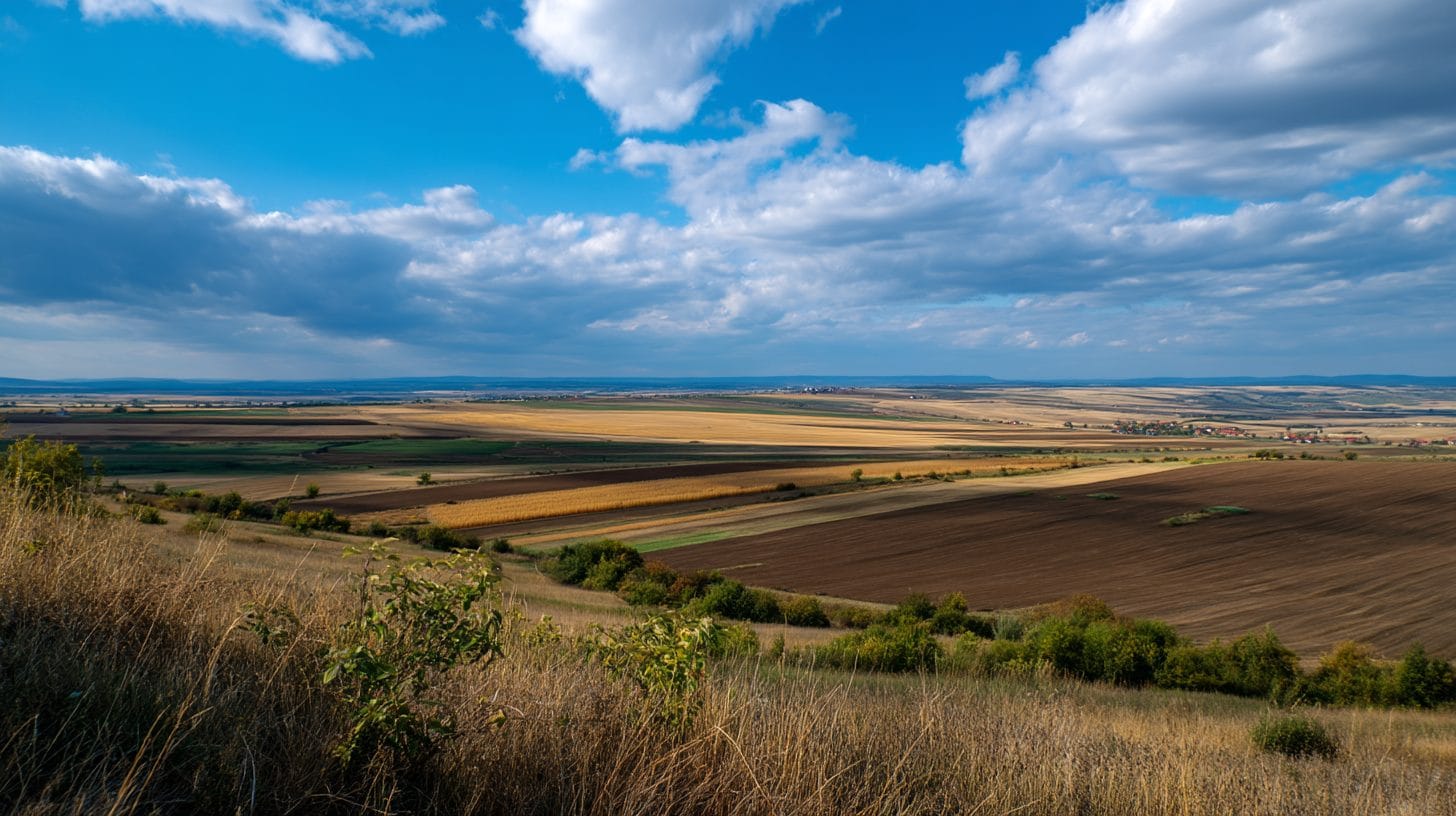
Identifying Land Suitable for Solar Farm Development in Clienceni, Ilfov
The world is experiencing an unprecedented shift towards renewable energy sources, with solar energy at the forefront of this transition. As nations strive to meet environmental goals and reduce reliance on fossil fuels, the demand for solar farm development land has surged. In this context, Clienceni, a picturesque commune in Ilfov County, Romania, presents a promising opportunity for solar farm development. This article explores the critical factors and methodologies for identifying suitable land for solar farm development in Clienceni, Ilfov, providing essential insights for investors, developers, and policymakers.
Understanding Solar Farm Development
Solar farm development involves the installation of photovoltaic (PV) panels or solar thermal systems to harness sunlight and convert it into usable energy. The efficiency of solar farms largely depends on several geological, environmental, and regulatory factors. Identifying suitable parcels of land is the first step in ensuring that a solar farm can operate effectively while complying with legal requirements.
Factors Influencing Suitability of Land for Solar Farms
To pinpoint the most suitable land for solar farm development in Clienceni, Ilfov, several criteria must be examined carefully:
1. Solar Irradiance: The amount of sunlight a location receives is a primary factor influencing solar energy production. Clienceni’s geographic positioning and typical weather patterns will significantly affect its solar irradiance levels. Detailed solar maps can help determine the average solar energy potential in the area.
2. Land Topography: The topography of the land is crucial for solar farm efficiency. Ideally, flat or gently sloping land will facilitate unobstructed exposure to sunlight. Lands with high slopes, trees, or buildings creating shadows should be assessed with caution, as they can impede solar energy absorption.
3. Land Use Classification: Before proceeding with solar farm development, it’s essential to check the local land use regulations provided by the Ilfov County authorities. Ideally, the chosen land should be classified as agricultural or unused, as converting forests or residential areas into solar farms could face objections from the community.
4. Proximity to Infrastructure: Accessibility to essential infrastructure, including roads, connections to the electrical grid, and maintenance access, plays a significant role in the feasibility of solar farm development. Clienceni’s proximity to major highways and the electrical grid should be evaluated to assess logistical challenges.
5. Environmental Impact: Conducting an environmental impact assessment is critical to understanding how solar farm development may affect local ecosystems. This involves evaluating flora and fauna and ensuring minimal disruption to local biodiversity.
6. Zoning Regulations: Compliance with zoning laws is vital for the approval of solar farm projects. Developers must consult local zoning ordinances in Clienceni regarding land use, building permits, and specific regulations for renewable energy projects.
7. Community Acceptance: The local community’s perception of solar farm development is often a fundamental factor in a project’s success. Engaging with residents of Clienceni through public consultations and informative sessions can build support for the project while addressing any concerns regarding visual impact or property value.
Methodologies for Identifying Potential Land Parcels in Clienceni
An optimal approach to identifying land suitable for solar farm development in Clienceni entails utilizing a multi-faceted methodology, integrating geographic information systems (GIS), remote sensing data, and manual surveys.
1. GIS Analysis: By harnessing GIS technology, developers can create a detailed map overlay of Clienceni that considers multiple factors such as topography, solar irradiance, and existing land use. This spatial analysis will highlight potential locations that meet the required criteria.
2. Remote Sensing: Satellite imagery and aerial photographs can provide insights into land characteristics, such as vegetation coverage and existing land use patterns. This technology can help identify potential land with limited infrastructure and low agricultural productivity, making it a strong candidate for solar farm development.
3. Site Visits: On-the-ground assessments are vital for verifying the data gathered from GIS and remote sensing analyses. Site visits allow developers to evaluate the physical characteristics of the land, discuss potential agreements with landowners, and gauge community sentiment.
4. Environmental and Regulatory Assessments: Following the identification of potential land parcels, developers must perform comprehensive environmental assessments and comply with all governmental regulations to ensure responsible and lawful development.
Conclusion
As the push for renewable energy accelerates in Romania, the potential for solar farm development land in Clienceni, Ilfov, emerges as a favorable opportunity for investors and developers. A thorough understanding of vital factors and a robust identification methodology will be key to securing land that promotes efficient solar energy production while respecting environmental concerns and community needs.
Understanding and navigating the complex landscape of land suitability is essential for ensuring successful outcomes in solar projects. With the right approach, Clienceni can harness its solar potential, significantly contributing to Romania’s energy landscape while serving as a model for sustainable development in the region.
Interested in Land Investment in Romania?
We specialize in high-yield land and property opportunities for serious investors.
VIEW OUR CURRENT PORTFOLIOSecure your investment with Land For Investors.

Published: March 18, 2025