

Title: How Topography Influences Land Value in Clienceni, Ilfov
Clienceni, a picturesque village located in the Ilfov County of Romania, has been rising in prominence as a desirable area for both residential and commercial development. The factors that influence land value in any region are multifaceted, but one of the most significant is topography. The complex interplay between the natural landscape and human development shapes not only how land is utilized but also how much it is worth. This article delves into the critical ways in which topography influences land value in Clienceni, Ilfov, providing insights for potential buyers, investors, and developers.
Understanding Topography
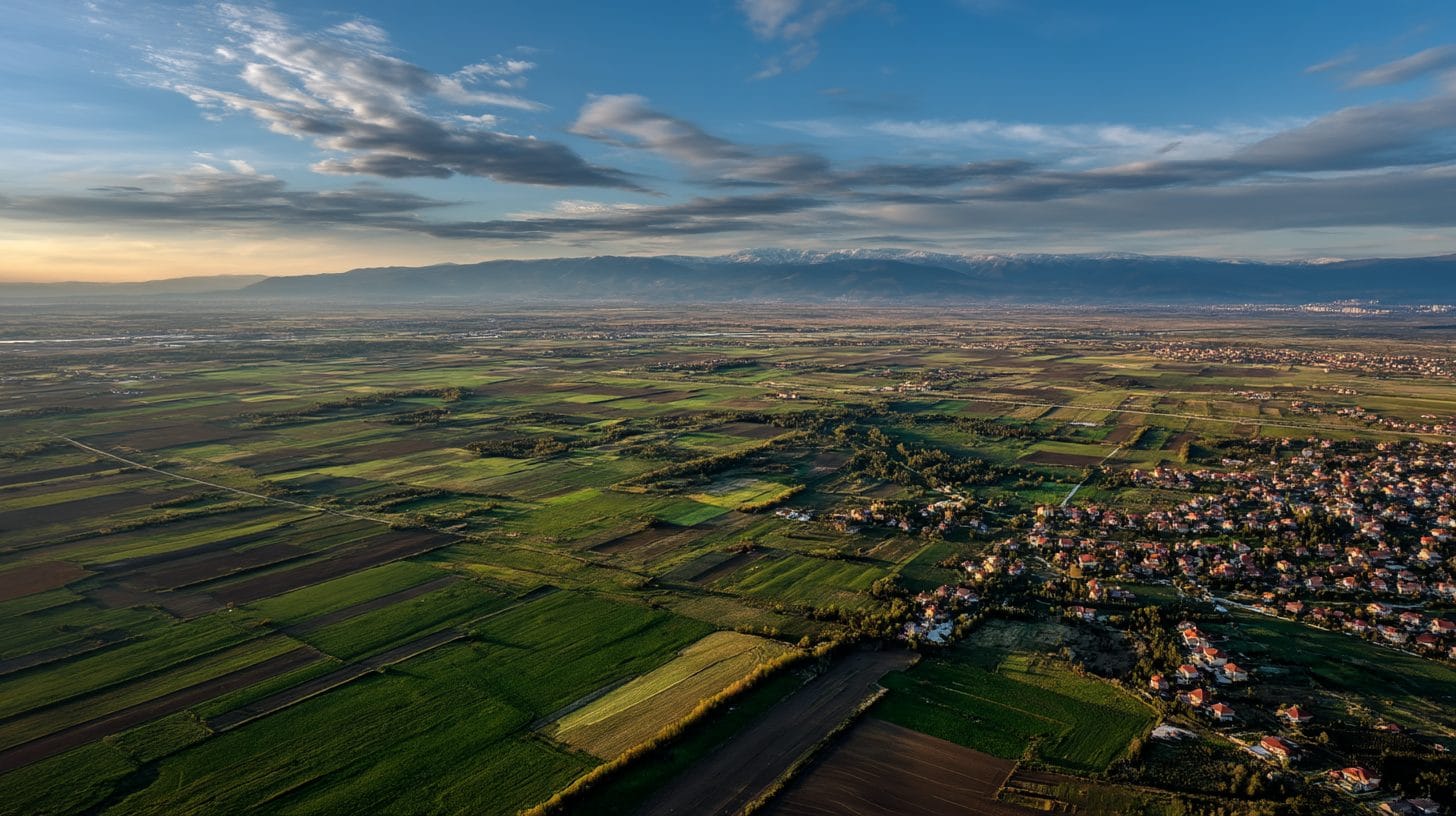
Topography refers to the arrangement of the natural and artificial physical features of an area. Within Clienceni, topography encompasses the contour of the land, elevation levels, drainage patterns, vegetation, and proximity to water bodies. Understanding the local topography is vital for discerning its implications on land value, as it dictates zoning possibilities, agricultural potential, accessibility, and risk exposure to both natural and man-made disasters.
Clienceni’s Varied Landscape
The topography of Clienceni is marked by a blend of flat lands, gentle hills, and occasional valleys. This variation offers numerous development opportunities and challenges. Areas with flat terrain are typically easier and less expensive to develop. They may entice commercial projects such as retail outlets or industrial facilities, thus commanding a higher market price for buyers. Conversely, locations with hilly or uneven terrain may deter development due to increased costs related to land grading and construction adjustments.
Elevation Factors and Their Effects on Land Value
Elevation plays a pivotal role in determining parcel value in Clienceni. Higher elevations may offer sweeping views of the surrounding countryside, which can significantly enhance aesthetic appeal for residential buyers. These properties often carry a premium due to their visual traits, attracting homeowners and investors seeking tranquility and natural beauty. However, high elevation may also entail higher costs related to access road construction and utility installation, potentially negating some of the price benefits.
Another crucial aspect of elevation is the related weather patterns. Generally, higher regions may experience differences in climate, impacting agriculture and landscaping. Landowners can utilize this to their advantage if they cultivate crops suitable for the altitudinal climate or establish hiking trails to attract tourism. However, potential buyers must weigh these benefits against any associated risks, such as increased vulnerability to landslides or erosion in steeper areas.
Drainage and Water Accessibility
In Clienceni, understanding drainage patterns is also essential in understanding the relationship between topography and land value. Proper drainage facilitates agricultural activities and construction, while poorly drained land can present numerous challenges. Areas prone to flooding or waterlogging may see decreased demand, negatively impacting values. Thus, property sections with effective natural drainage channels are far more desirable.
Water accessibility is another consideration for buyers. Proximity to rivers, lakes, and other bodies of water can enhance land value significantly. Not only does water facilitate agricultural irrigation, but it also enhances recreational opportunities, making properties near these features more appealing.
Vegetation and its Impact on Property Value
The presence or absence of vegetation can directly influence perceptions of land value in Clienceni. Dense woodland or well-maintained gardens enhance aesthetic appeal, providing potential buyers with a sense of natural beauty and privacy. Conversely, bare or poorly maintained land may indicate neglect or higher development costs, leading to reduced property value. Furthermore, land with rich vegetation is often seen as more suited for agriculture or ecological projects, again impacting its value favorably.
Zoning Implications of Topography
Topographic features are an essential part of urban planning, heavily influencing zoning laws and regulations in Clienceni. The village’s planning authorities must account for the natural topography when designating land for residential, commercial, or agricultural uses. Areas with flatter terrains might be more favorable for commercial activities, while sloped areas might be reserved for residential housing or preserved for agricultural use. Thus, the zoning designation directly impacts land value; plots that can be developed for diverse uses often yield higher valuations compared to those designated for more limited purposes.
Access and Connectivity
The topography of Clienceni affects infrastructure development, particularly road access and connectivity. Good accessibility is a critical attribute influencing land value; locations that are easily reachable from major roads or urban centers typically command a premium. However, challenging terrains, such as steep hills or narrow valleys, may complicate construction efforts for access roads. Developers may incur additional costs in creating efficient access routes, ultimately affecting land value.
The Role of Environmental Policies
In today’s environmentally conscious era, the topographical characteristics of land in Clienceni are gaining increasing significance from a regulatory perspective. Environmental policies related to land use can greatly influence value. Properties that lie in sensitive ecological areas may be subject to stricter regulations, affecting their usability and hence their overall value.
Potential buyers must remain vigilant about environmental restrictions that may arise from topographic features, as these can notably limit development potential. Conversely, tracts of land that have been minimally affected by human activity may fare better under “green” initiatives designed to encourage responsible development, commanding higher prices due to their sustainable practices.
Market Trends and Future Developments
The intersection of topography and land value in Clienceni is an evolving narrative. As urbanization continues to influence the region, potential benefits may arise from increasing domestic and international investments. Investors examining topography as a central element of land value will likely identify ample opportunities within Clienceni, particularly if they consider upcoming trends in eco-friendliness and sustainable living.
With its balanced topographical features, Clienceni remains a promising investment location ripe for development, especially Kwith developers willing to adapt to and work with the landscape. Looking ahead, as local authorities and developers recognize the importance of sustainable practices and the benefits of carefully planned development in harmony with the land, the topography will undoubtedly continue to dictate land value dynamics.
Conclusion
In summary, the topography of Clienceni, Ilfov, plays a fundamental role in influencing land value. From elevation and drainage patterns to vegetation and accessibility, every aspect of the landscape contributes to how land is perceived and priced. Investors and property buyers must understand and analyze these topographic elements alongside market conditions to make informed decisions. As the demand for land in Clienceni continues to grow, recognizing and respecting the area’s topography will be essential for maximizing land value and facilitating sustainable development. Clienceni represents an evolving landscape where nature and human activity can coexist harmoniously, promising a bright future for those willing to tap into its potential.
Interested in Land Investment in Romania?
We specialize in high-yield land and property opportunities for serious investors.
VIEW OUR CURRENT PORTFOLIOSecure your investment with Land For Investors.

Published: March 18, 2025