

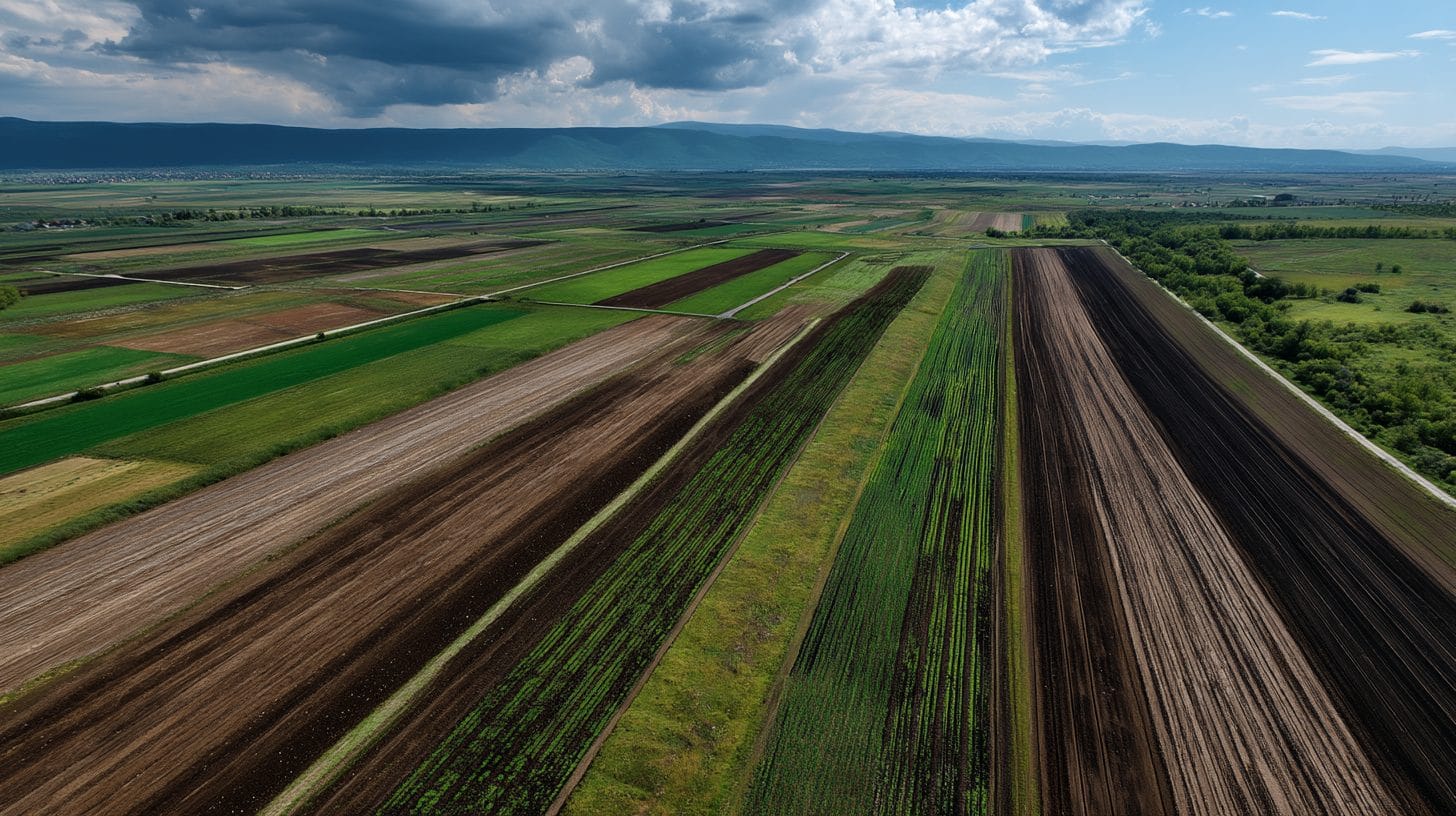
How to Use Real Estate Analytics to Forecast Land Trends Near Bucharest
In recent years, the real estate landscape around Bucharest has evolved dramatically, shaped by economic developments, population growth, and infrastructural changes. As this dynamic environment continues to shift, the demand for precise forecasting methods becomes increasingly essential. Real estate analytics stands out as a powerful tool that can provide valuable insights into land trends near Bucharest. This article explores how to leverage real estate analytics to effectively forecast land trends, aiding developers, investors, and other stakeholders in making informed decisions.
Real Estate Analytics Defined
Real estate analytics refers to the process of gathering and analyzing data related to properties, their markets, and the broader economic factors that influence real estate. It involves the use of various statistical, mathematical, and computational techniques to interpret data pertaining to land values, market demand, and location characteristics. By harnessing this information, professionals can derive meaningful insights that help them anticipate trends and make data-driven decisions.
The Importance of Real Estate Analytics for Bucharest
Bucharest, the capital city of Romania, has witnessed substantial growth over the past decade, driven by various factors such as increased foreign investment, urbanization, and improvements in transportation infrastructure. These changes have, in turn, affected land prices and availability. As the city and its surrounding areas experience rapid development, utilizing real estate analytics to forecast land trends has become a necessity for stakeholders to capitalize on opportunities and mitigate risks.
Identifying Relevant Data Sources
To effectively employ real estate analytics, one must first identify relevant data sources. When analyzing land trends near Bucharest, consider the following categories of data:
1. Demographic Data: This includes population growth rates, age distribution, income levels, and migration patterns. Understanding the demographic landscape will help forecast future demand for residential, commercial, and industrial real estate.
2. Economic Indicators: Economic factors such as GDP growth, employment rates, and industry performance influence real estate markets. Tracking these indicators provides valuable insights into the health of the local economy and potential effects on land trends.
3. Historical Real Estate Data: Analyzing historical sales data, rental prices, and property transactions allows for a better understanding of past trends and behaviors in the market. This information can be instrumental in forecasting future trends.
4. Infrastructure Development: Monitoring changes in infrastructure, such as new transportation projects, schools, and hospitals, is critical for understanding how these developments can impact land values and demand.
5. Local Regulations: Understanding zoning laws, land use regulations, and taxation policies can provide insight into future land availability and development opportunities.
Utilizing Advanced Analytics Techniques
Once relevant data has been gathered, leveraging advanced analytics techniques can maximize the insights gained. Here are some powerful methods to consider:
1. Geographic Information Systems (GIS): GIS is a crucial tool for real estate analytics, allowing you to visualize geographic data and assess spatial relationships. By mapping demographic trends, infrastructure projects, and property values, professionals can gain a clear picture of land trends and opportunities around Bucharest.
2. Predictive Modeling: Statistical modeling techniques, such as regression analysis or machine learning algorithms, can be used to predict future land values and demand based on historical trends and current data. These models can incorporate various factors to forecast how changes in demographics, economic conditions, or infrastructure projects may impact the future real estate landscape.
3. Sentiment Analysis: Monitoring online discussions, social media conversations, and news articles can provide insights into public sentiment around specific areas or developments. Analyzing this data can help uncover emerging trends and shifts in public perception that may affect land demand.
4. Comparative Market Analysis: Comparing similar properties in terms of size, location, and features can help determine market trends in specific areas near Bucharest. By evaluating comparable sales, professionals can estimate property values and identify potential investment opportunities.
Collaborating with Experts
Engaging with local real estate experts, urban planners, and economists can enhance the effectiveness of real estate analytics. These professionals can provide context and grounding for the data analysis, offering insights that data alone cannot provide. Their knowledge of the market can help interpret analytical results and guide decision-making processes.
Case Studies on Real Estate Analytics Near Bucharest
Examining real-world applications of real estate analytics in Bucharest can illustrate its potential. Case studies of successful developments or investments in the region can shed light on the importance of data-driven decision-making. For instance, analyzing a project that took advantage of emerging infrastructure developments or demographic shifts can highlight the role of analytics in identifying and capitalizing on trends.
Application of Real Estate Analytics in Investment Strategies
Investors can utilize real estate analytics to develop sound investment strategies. By identifying high-growth areas around Bucharest based on the analysis of demographic and economic data, investors can pinpoint optimal locations for land acquisition. Furthermore, analytics can also assist in risk assessment, allowing investors to evaluate potential challenges in specific regions and make informed decisions about diversification or risk management strategies.
Conducting Regular Market Assessments
To maintain a competitive edge, it is essential to conduct regular market assessments using real estate analytics. The real estate market is ever-evolving, and periodic evaluations of land trends near Bucharest will allow stakeholders to remain informed. This should include an ongoing review of demographic shifts, economic changes, and emerging infrastructure projects. Continuous monitoring enables stakeholders to adapt their strategies according to the latest developments.
The Future of Real Estate Analytics in Bucharest
As technology continues to evolve, the applications of real estate analytics will only become more sophisticated. Advanced data collection methods, such as the Internet of Things (IoT), will enhance the richness of data available. Moreover, the integration of artificial intelligence and machine learning will enable enhanced predictive capabilities, allowing professionals to forecast land trends with greater accuracy.
In summary, leveraging real estate analytics to forecast land trends near Bucharest presents a significant opportunity for investors, developers, and stakeholders alike. By systematically analyzing relevant data, utilizing advanced analytical techniques, collaborating with experts, and conducting regular market assessments, professionals can uncover insights that drive informed decision-making. As Bucharest continues to evolve, employing real estate analytics will be imperative in navigating the changing landscape and capitalizing on emerging opportunities in this vibrant urban environment.
Interested in Land Investment in Romania?
We specialize in high-yield land and property opportunities for serious investors.
VIEW OUR CURRENT PORTFOLIOSecure your investment with Land For Investors.

Published: March 15, 2025