

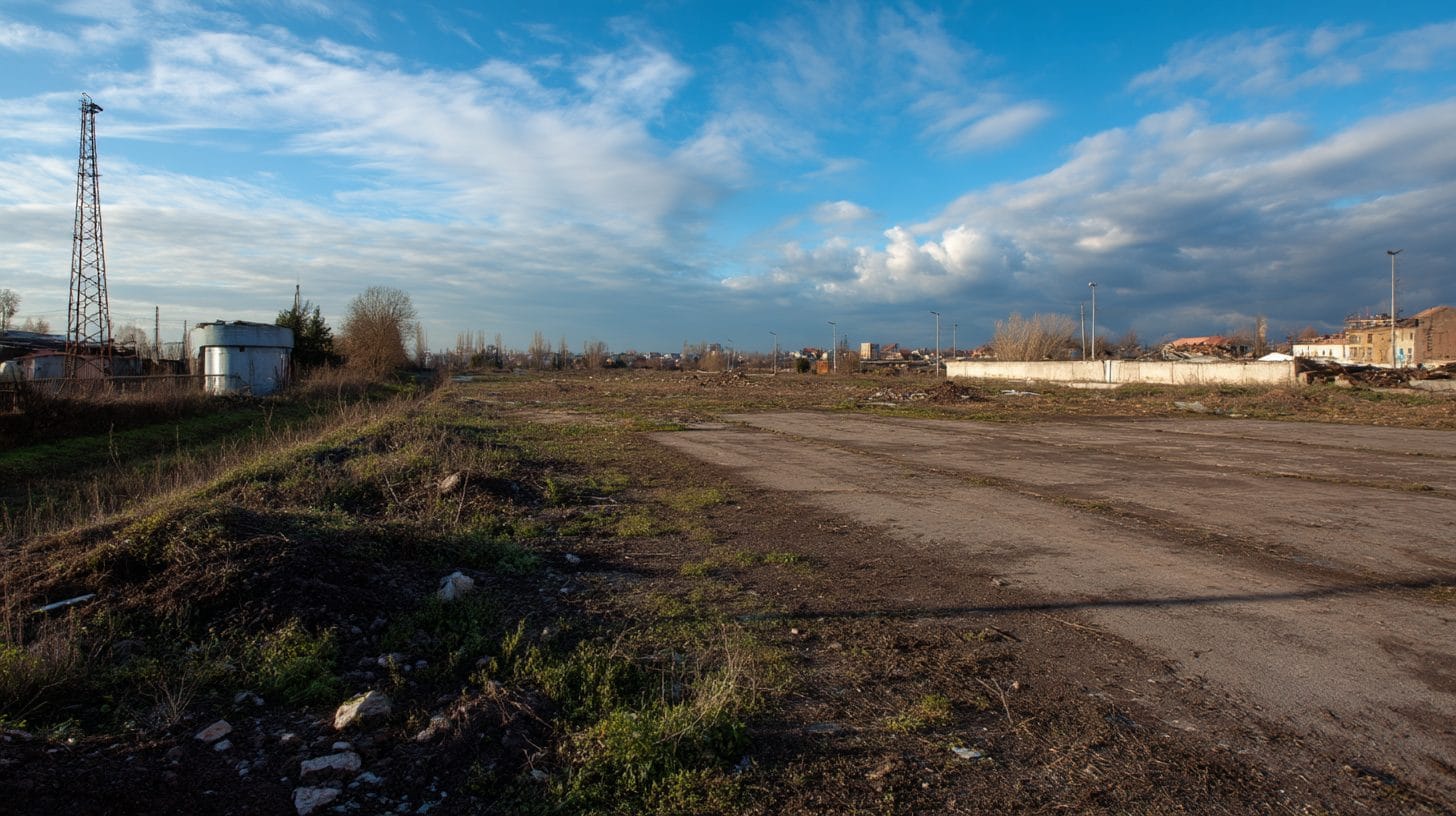
Real estate has long been regarded as one of the most resilient and lucrative investment opportunities, particularly in thriving urban regions. Bucharest, being the capital city of Romania, increasingly attracts attention among investors, homebuyers, and real estate professionals. However, understanding and predicting land trends can be challenging without the proper tools and methodologies. This is where real estate analytics plays a critical role. By leveraging sophisticated analytics, stakeholders can glean insights that aid in forecasting land trends near Bucharest, ultimately guiding investment strategies and decision-making processes.
The importance of real estate analytics cannot be understated in a dynamic urban environment. A data-driven approach provides actionable insights into trends regarding property valuations, demographic shifts, economic indicators, and even regulatory impacts on land use. To leverage real estate analytics effectively, it is crucial to first understand its application in the context of forecasting land trends near Bucharest.
Identifying Key Data Sources
Real estate analytics begins with collecting robust and diverse datasets. Several key data sources should be explored to gain a comprehensive view of land trends. These sources include:
1. **Public Property Records:** Local government repositories that house property records, tax assessments, and transaction histories are invaluable for analyzing historical price trends and ownership changes.
2. **Demographic Data:** Population statistics, age distribution, and employment rates from national or local statistical offices can provide insights into residential demand.
3. **Economic Indicators:** Metrics such as GDP growth, unemployment rates, and consumer spending are critical for understanding the economic health of the region, which directly influences real estate demand.
4. **Market Reports:** Industry reports, surveys from real estate agencies, and analyses from reputable market research firms can shed light on sector trends, buyer sentiment, and future projections.
5. **Geospatial Data:** Geographic information systems (GIS) allow analysts to visualize land usage and zoning regulations, offering insights into potential development areas.
6. **Local Regulations:** Staying informed about zoning laws, building codes, and land-use policies is vital; governmental changes can significantly impact land value.
Once these datasets have been collected, the next step involves the application of analytical techniques.
Employing Analytical Techniques
Real estate analytics encompasses various quantitative techniques, including statistical analysis, machine learning, and predictive modeling. Utilizing these methods can help in accurately forecasting land trends near Bucharest. Key approaches include:
1. **Time Series Analysis:** By analyzing historical price trends over time, investors can identify cyclical patterns and potential future movements in land prices. This analysis can help reveal seasonal fluctuations and long-term trends influenced by economic changes.
2. **Regression Analysis:** This technique can be used to understand the relationships between different variables. For example, a regression model can correlate land prices with population growth, economic activity, or infrastructure development.
3. **Machine Learning Algorithms:** Advanced techniques such as neural networks and decision trees can process large volumes of data, identifying complex patterns and providing more accurate predictions of future trends.
4. **Sentiment Analysis:** By analyzing social media posts, news articles, and forums, analysts can gauge public sentiment regarding property in Bucharest. Understanding buyers’ and investors’ emotions and concerns can offer predictive power that traditional analytics may not capture.
5. **Scenario Analysis:** For more uncertainty-laden variables such as regulatory changes or large infrastructure projects, scenario analysis can help stakeholders anticipate multiple possible futures and prepare action plans accordingly.
6. **Comparative Market Analysis (CMA):** CMA benchmarks a specific piece of real estate against similar properties in terms of pricing and demand. Understanding how certain neighborhoods near Bucharest are performing relative to others can be crucial for forecasting trends.
Integrating Insights into Investment Strategies
Armed with robust analytical insights, real estate investors and developers can formulate informed strategies that harness land trends near Bucharest. Considerations include:
1. **Identifying High-Growth Areas:** Areas slated for new infrastructure development, such as transportation or commercial hubs, hold promising potential for appreciation. Analytics can help identify these zones well in advance of other investors.
2. **Strategically Timing Investments:** Understanding cyclical patterns allows investors to time their purchases or sales more effectively, thus maximizing returns on investments.
3. **Tailoring Development Projects:** Insights from demographic data can inform developers about what types of properties—residential, commercial, or mixed-use—will meet future demand.
4. **Mitigating Risks:** By understanding the economic indicators that impact real estate value, investors can better assess risks and develop contingency plans, thereby safeguarding their investments.
5. **Recognizing Emerging Trends:** Staying attuned to social trends, such as remote work or rising sustainability concerns, allows investors to align their strategies with changing consumer preferences.
Conclusion
Utilizing real estate analytics to forecast land trends near Bucharest is imperative for investors, developers, and stakeholders aiming to capitalize on the region’s growth potential. The integration of diverse data sources, advanced analytical techniques, and strategic insights empowers individuals and organizations to make informed decisions that lead to successful investments. As Bucharest continues to evolve, embracing data-driven approaches will become an essential maneuver for anyone seeking to navigate its real estate landscape effectively. By doing so, stakeholders not only safeguard their investments but also contribute to the sustainable development of the metropolitan area, aligning growth with the community’s needs while securing lucrative opportunities for the future.
Interested in Land Investment in Romania?
We specialize in high-yield land and property opportunities for serious investors.
VIEW OUR CURRENT PORTFOLIOSecure your investment with Land For Investors.

Published: April 19, 2025