

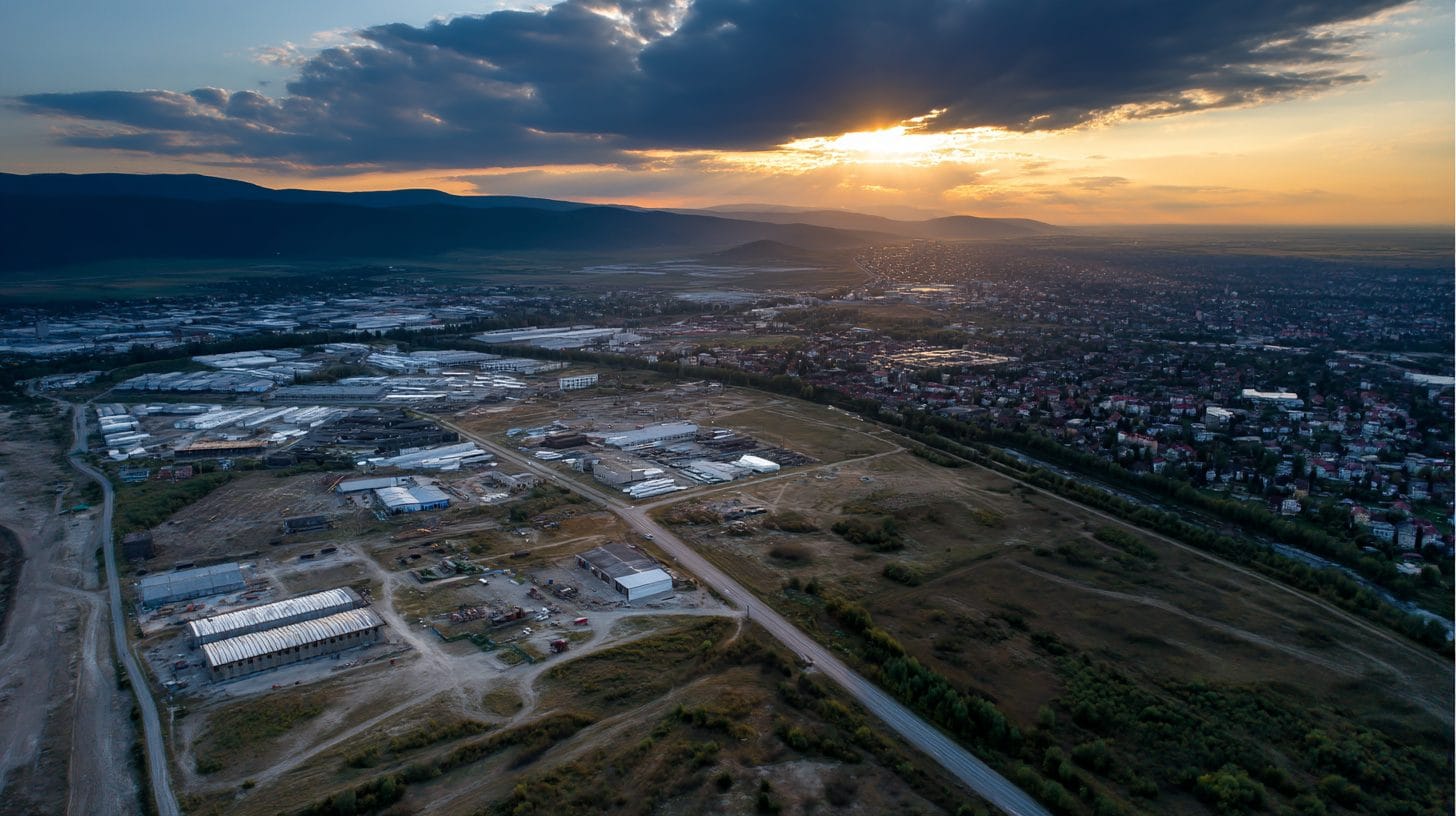
How to Use Local Demographic Data to Identify Land Opportunities Near Bucharest
Bucharest, the vibrant capital of Romania, is witnessing robust growth in various sectors, including real estate and infrastructure. As the city expands, so do the opportunities for land acquisition and development. However, identifying these opportunities requires a profound understanding of the local demographic data. Understanding the demographic data related to land opportunities in Bucharest can be the key to making informed investment decisions and forecasting future growth. This article will explore how you can leverage local demographic data to identify land opportunities near Bucharest effectively.
Understanding Demographic Data
Demographic data encompasses a range of statistics that provide insight into the characteristics of a population. This includes factors such as age, gender, income level, education, occupation, and household sizes. In the context of real estate and land acquisition, these factors can significantly influence demand for property and land in different areas.
Utilizing local demographic data allows investors and developers to tailor their strategies to align with the needs and preferences of potential buyers or tenants. Identifying shifts in demographic trends can uncover areas of growth and highlight regions with high demand for housing, commercial facilities, and recreational spaces.
Key Demographic Indicators to Analyze
When assessing land opportunities in Bucharest, several key demographic indicators can prove invaluable:
1. Population Growth: Analyzing the population growth rate in different districts of Bucharest can help investors identify regions that are attracting new residents. Areas experiencing rapid population growth often signal a buoyant market with increased demand for housing and services.
2. Age Distribution: Understanding the age distribution in various neighborhoods can highlight potential opportunities. For instance, areas with a higher concentration of young professionals may present opportunities for rental properties, coworking spaces, or cafes and restaurants catering to this demographic.
3. Income Levels: Investigating income levels in different neighborhoods is crucial when assessing land opportunities. Higher-income areas typically provide higher returns on investment for luxury housing or upscale commercial developments. Conversely, lower-income neighborhoods may present opportunities for affordable housing initiatives.
4. Education and Employment: Areas with high educational attainment and strong employment rates often indicate economic stability and growth. These regions may be ideal for developing properties that cater to students, young professionals, and families seeking a balanced lifestyle.
5. Household Size: Trends in household sizes can inform decisions on land opportunities. An increase in smaller households may signal a growing demand for smaller units, such as studios or one-bedroom apartments, while larger households may drive the need for family-sized homes.
Analyzing Local Demographic Trends
Once you have collected relevant demographic data, the next step is to analyze it strategically to assess land opportunities. This involves comparing trends across different districts and creating visually compelling presentations of this data.
1. Geographic Information Systems (GIS): Utilizing GIS tools can help visualize demographic data spatially, allowing for a more intuitive understanding of patterns throughout Bucharest. For instance, you can map population density, median incomes, and other indicators to identify regions ripe for development.
2. Market Research Reports: Consulting market research reports focused on Bucharest can provide valuable insights into demographic trends. These reports often include projections that help in determining future land opportunities based on historical data and trends.
3. Neighborhood Profiles: Creating neighborhood profiles based on demographic indicators allows for easier comparisons across different areas. These profiles should detail population characteristics and other relevant factors that pertain to land use and development.
Identifying Land Opportunities
With demographic data analyzed and trends identified, the next step is to focus on locating specific land opportunities near Bucharest:
1. Emerging Neighborhoods: Areas showing a strong influx of new residents or investments can be excellent candidates for land opportunities. These neighborhoods may not currently be in the spotlight but could experience rapid growth in property values.
2. Areas Near Infrastructure Developments: Infrastructure projects, such as new transportation routes or urban development initiatives, dramatically influence local real estate markets. Investigating and targeting land near upcoming projects can lead to lucrative opportunities.
3. Land Use Zoning Changes: Stay informed about land use policies and zoning regulations in Bucharest. Changes in zoning laws can open avenues for new development opportunities, especially if residential zones are expanded or commercial areas are enhanced.
4. Collaboration with Local Authorities: Building relationships with local authorities can provide insights into upcoming urban plans and initiatives. Engaging with municipal organizations will aid you in understanding where the demand for land is likely to increase in the near future.
5. Tool for Investment Decisions: Demographic data should be a key component in your investment decisions. By aligning your investment strategy with the trends identified, you can make more informed decisions regarding land opportunities that have high potential returns.
Conclusion
Utilizing local demographic data to identify land opportunities near Bucharest is a legitimate strategy that requires diligent research and analysis. Understanding population dynamics, lifestyle trends, and economic factors will enable property developers and investors to make well-informed decisions in a competitive real estate market. As Bucharest continues to develop and evolve, staying abreast of demographic data and trends will ensure you remain ahead of the curve and poised to seize land opportunities in this burgeoning capital city.
By effectively leveraging demographic data, you can better navigate the complexities of the real estate market, identify lucrative land opportunities, and contribute to the growth of Bucharest as an urban hub. Investing in land requires foresight, strategic planning, and a keen understanding of demographic data, which can ultimately position investors for long-term success within the vibrant landscape of Bucharest.
Interested in Land Investment in Romania?
We specialize in high-yield land and property opportunities for serious investors.
VIEW OUR CURRENT PORTFOLIOSecure your investment with Land For Investors.

Published: March 14, 2025