

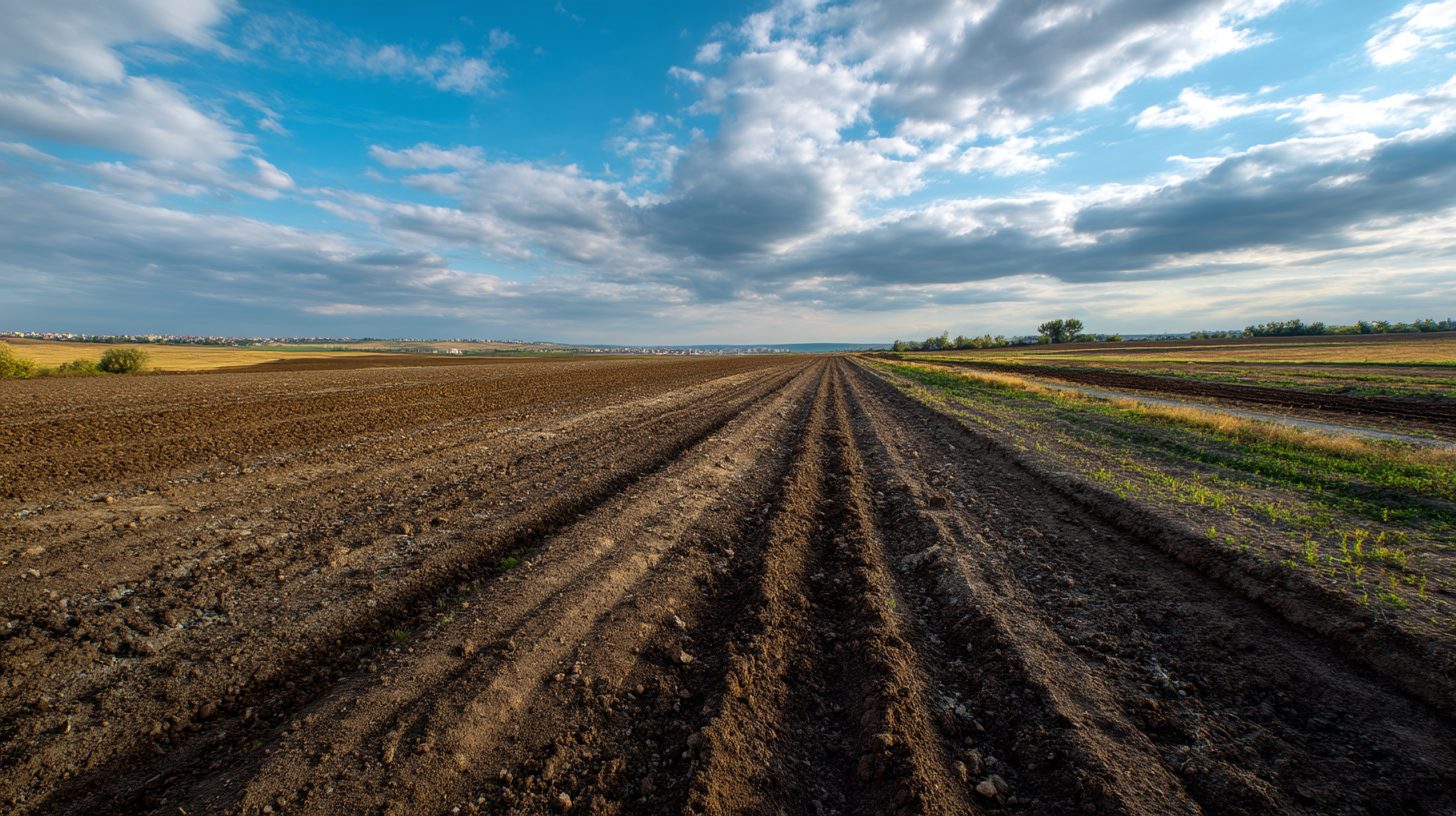
How to Use Land in Romania for Development Projects
As Romania continues to grow economically, the opportunities for land development projects have become more abundant. The central and eastern parts of Europe, especially Romania, have gained attention from investors and developers looking for potential projects that can optimize land use and promote growth. However, to successfully develop land in Romania, it is essential to understand the legal frameworks, zoning regulations, environmental considerations, and market dynamics that govern land development projects Romania.
The first step in initiating land development projects in Romania is to conduct a comprehensive site analysis. Identify the specific location and its surroundings, paying close attention to infrastructure, accessibility, and proximity to urban areas or other vital resources. Romania’s diverse landscape—from mountainous regions to fertile plains—offers various opportunities for different types of development, including residential, commercial, agricultural, and industrial projects.
Once a suitable site has been identified, understanding the local zoning regulations and land use policies is crucial. Romania has a complex legal framework for land use that varies between regions and municipalities. Developers need to consult local government bodies, such as the city hall or municipal planning offices, to obtain detailed information on zoning laws and to determine the types of developments permitted within the selected location. Additionally, obtaining a land registry extract can confirm ownership and encumbrances on the property, enabling a clear understanding of what is feasible in terms of development.
In addition to understanding zoning laws, it is vital to engage with the community and stakeholders in the area. Community involvement can be crucial in the decision-making process for land development projects Romania. Developers should strive to hold consultations with local residents and interest groups, presenting their plans and gathering feedback. This participatory approach helps ensure that the project aligns with community interests and can lead to a smoother approval process by fostering goodwill and reducing opposition.
Once all relevant regulations and community aspects have been addressed, the next phase in land development projects Romania involves securing financing. Depending on the scale of the project, developers may consider various funding streams, including private investors, public grants, or loans from financial institutions. A comprehensive business plan detailing the development’s scope, budget, and expected return on investment will be essential in attracting financing partners. Many foreign investors are increasingly interested in Romania due to favorable returns on property investments, but establishing a transparent and well-structured proposal is necessary.
Environmental impact assessments are another critical aspect of land development projects Romania. Given Romania’s rich biodiversity and various protected areas, any proposed land development must comply with environmental regulations. Engaging environmental consultants to conduct thorough assessments can aid in identifying potential issues, mitigating adverse effects, and ensuring compliance with EU directives. This step is not only legally required but can also enhance the project’s sustainability and public relations standing.
The permitting process in Romania can be intricate, with multiple layers of approval required. Developers should expect to navigate through various permits—from construction permits to environmental permits to urban development permits. Proper communication with the relevant authorities is essential to ensure timely approvals, and hiring a local consultant or legal expert can facilitate this process.
Once the property is ready for development, hiring a competent contractor can significantly impact the project’s success. Builders familiar with the Romanian landscape can navigate local construction practices and regulatory requirements more efficiently. The quality of work and adherence to deadlines are paramount, so selecting a reputable contractor can help avoid costly delays and ensure the project’s overall success.
In addition to legal and practical considerations, marketing plays an essential role in the success of land development projects Romania. A well-thought-out marketing strategy can attract tenants, buyers, or investors who see value in the new development. Highlighting the benefits of the location, such as accessibility, amenities, and community features, will aid in promoting the project effectively.
Sustainability has emerged as a significant factor that can influence the success of land development projects Romania. More investors and buyers are prioritizing eco-friendly developments that focus on renewable resources, energy efficiency, and innovative building solutions. Incorporating sustainable practices into projects not only attracts environmentally conscious buyers but may also benefit from government incentives aimed at promoting green initiatives.
Monitoring and adapting to market trends is crucial for the ongoing success of land development projects Romania. Once the development is completed, staying attuned to changing market conditions—such as demand shifts, economic fluctuations, or new residential or commercial needs—will allow developers to respond strategically. Being flexible and ready to adapt will enhance the longevity of the project and ensure it remains attractive to prospective tenants or buyers.
In conclusion, successfully developing land in Romania requires a thorough understanding of the regulatory environment, effective community engagement, and a clear development strategy. As more investors turn their sights toward Romania for land development projects, the focus must remain on establishing sustainable, community-driven projects that adequately address the needs and desires of both the market and the local population. With due diligence, proper planning, and a commitment to quality, developers can carve out their niche in this dynamic and promising landscape. As Romania embraces its potential for land development projects, the opportunities for growth, investment, and community enrichment are boundless.
