

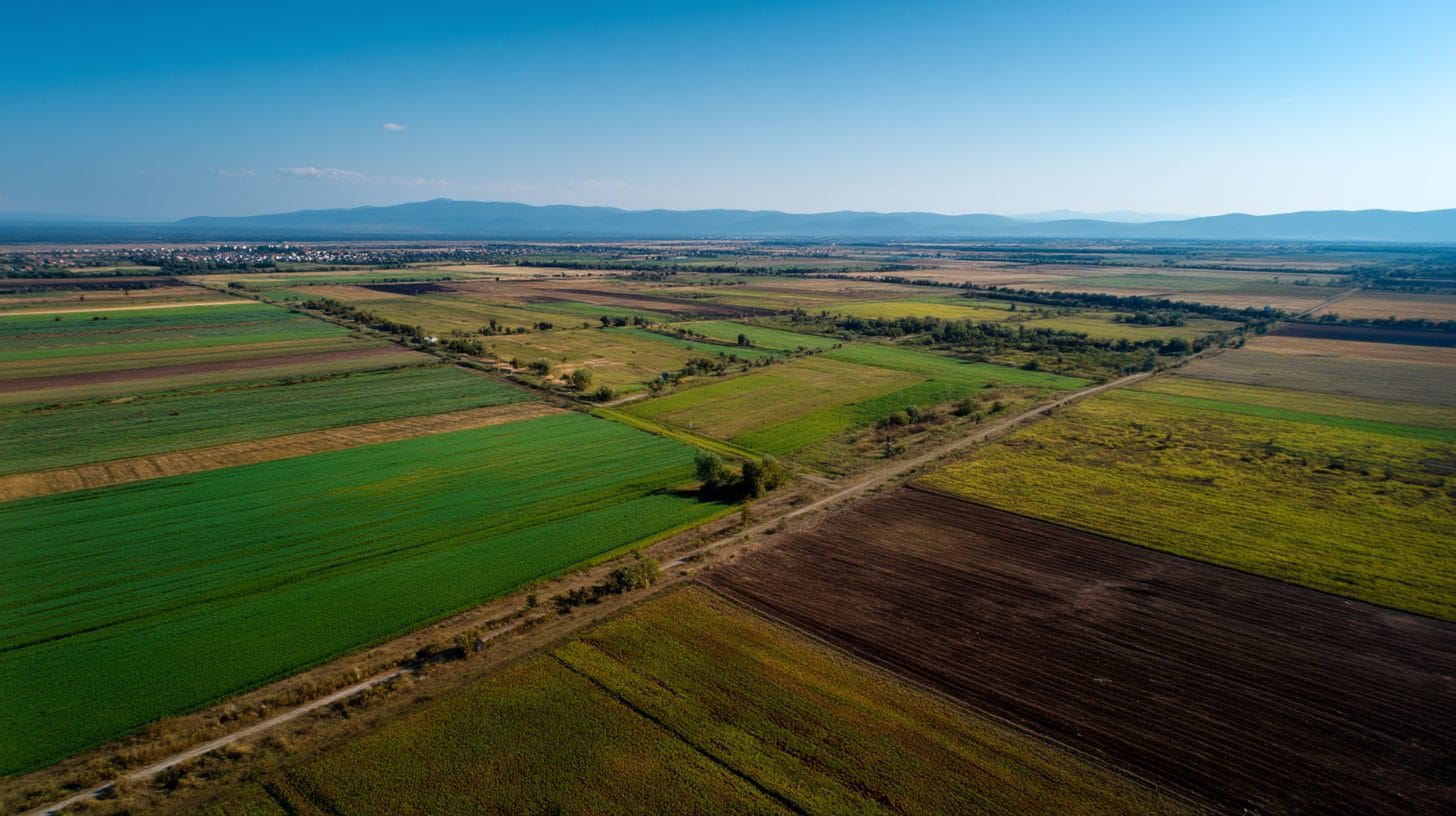
In recent years, the real estate market around Bucharest has witnessed substantial fluctuations, influenced by various economic, social, and environmental factors. As stakeholders in the real estate sector, including investors, realtors, and urban planners, strive to navigate these dynamics, the importance of leveraging data visualization tools to monitor property trends near Bucharest cannot be overstated. Understanding how to effectively utilize these tools can provide keen insights, allowing stakeholders to make well-informed decisions that enhance investment efficacy and strategic planning.
The Evolution of Data Visualization in Real Estate
Data visualization has evolved significantly over the past few decades. It transforms complex data sets into visual graphics that make patterns and trends more accessible and understandable. For the real estate sector, especially concerning property trends near Bucharest, this means enabling stakeholders to discern vital information from data analysis quickly. Charts, graphs, maps, and dashboards can reveal essential aspects like price fluctuations, demand and supply dynamics, demographic changes, and regional development trajectories.
The Importance of Monitoring Property Trends
Monitoring property trends near Bucharest is crucial for several reasons. Firstly, the growth of the city, characterized by rapid urbanization and an influx of people seeking housing and commercial spaces, calls for an agile approach to property investment. Secondly, recognizing changes in rental prices, property values, and local economic conditions enables investors and homeowners to make strategic decisions that could either yield high returns or prevent losses.
Understanding the Local Market Context
Before utilizing data visualization tools, it is imperative to understand the local market context in Bucharest. Armed with historical data about property sales, rental trends, and economic indicators, stakeholders can identify which metrics are most relevant. For example, factors such as population growth, employment rates, and infrastructure developments could influence property demand in certain neighborhoods. Using historical data allows for a nuanced understanding of property trends near Bucharest, paving the way for more accurate forecasting.
Choosing the Right Data Visualization Tools
When it comes to data visualization tools, multiple options are available, each catering to different needs and preferences. Some of the most popular tools include Tableau, Microsoft Power BI, and Google Data Studio. These tools offer a variety of features that can enhance data analytics capabilities:
1. **Interactive Dashboards**: Many visualization tools allow users to create dashboards that provide a real-time overview of property trends. Stakeholders can customize these dashboards based on metrics such as average property prices, sale volumes, or rental yields, enabling quick comparisons across different regions.
2. **Geospatial Mapping**: Tools like ArcGIS or Mapbox excel in offering geospatial mapping capabilities. These features can be crucial for visualizing property trends near Bucharest geographically, helping stakeholders identify high-demand areas or regions experiencing significant growth.
3. **Data Filtering and Integration**: A robust data visualization tool should enable users to filter and integrate various data sources, including economic reports, demographic studies, and government indices. This capability allows stakeholders to view comprehensive property trends tailored to specific interests, thereby enhancing the quality of insights.
4. **Custom Visualizations**: The power of data visualization lies in its ability to convey complex information in intuitive graphics. Advanced features in visualization tools allow users to create custom visualizations that resonate with their specific analytical needs.
Collecting and Analyzing Data
To effectively leverage data visualization in monitoring property trends near Bucharest, stakeholders must start with reliable data collection. This can involve:
1. **Public Data Sources**: Government databases and real estate associations often publish property statistics and economic indicators relevant to real estate markets in and around Bucharest. These data sources can shape a foundational understanding of local demands and trends.
2. **Real Estate Platforms**: Platforms like Imobiliare.ro or Storia.ro provide listings and sales data that can be analyzed for trends. By studying this data through visualization tools, users can gain insights into popular neighborhoods, preferred property types, and changing price conditions.
3. **Survey and Feedback Mechanisms**: Engaging with local residents and property owners through surveys can yield qualitative data that complements quantitative analysis. Understanding what attracts tenants or buyers to specific areas can greatly inform market strategies.
Once data has been collected, employing visualization tools to analyze it becomes the primary focus. Regularly monitoring changing trends helps businesses and investors remain agile, adjusting strategies in response to market evolution.
Interpretation of Visual Data
The capacity to interpret visual representations of data effectively is equally important. Visualizations can offer telling insights, but they require context to be meaningful. For instance:
– Are rising prices indicative of a booming market, or do they signal overpricing?
– What does a spike in rental demand suggest about demographic trends or urban development initiatives?
– How do seasonal fluctuations affect property trends near Bucharest?
By answering such questions, stakeholders can derive actionable strategies to optimize their investments.
Staying Current with Technological Advancements
As technology continues to evolve, so too do data visualization tools. Keeping abreast of the latest advancements ensures that stakeholders can leverage cutting-edge features to refine their analyses. The emergence of artificial intelligence and machine learning in data analytics can heighten predictive capabilities, leading to even more informed decisions regarding future property investments.
The Role of Collaboration
Data visualization is not merely an individual endeavor; collaboration among stakeholders can significantly enhance the quality of insights obtained from visualized data. By sharing findings and collaborating on analyses, real estate investors, agents, and urban planners can develop more comprehensive market strategies. Engaging with experts in data analytics or collaborating with firms specializing in data visualization can also yield deeper insights into complex trends.
Conclusion
In summary, utilizing data visualization tools to monitor property trends near Bucharest is not just a best practice; it is essential for informed decision-making in the dynamic real estate market. As the city grows, stakeholders must remain agile, leveraging visual data to navigate challenges, seize opportunities, and make strategic investments that align with the evolving landscape. By understanding the local market context, selecting the right tools, analyzing data effectively, and interpreting insights within collaborative frameworks, stakeholders can harness the power of data visualization to stay ahead of property trends near Bucharest and succeed in their ventures.
Interested in Land Investment in Romania?
We specialize in high-yield land and property opportunities for serious investors.
VIEW OUR CURRENT PORTFOLIOSecure your investment with Land For Investors.

Published: April 25, 2025