

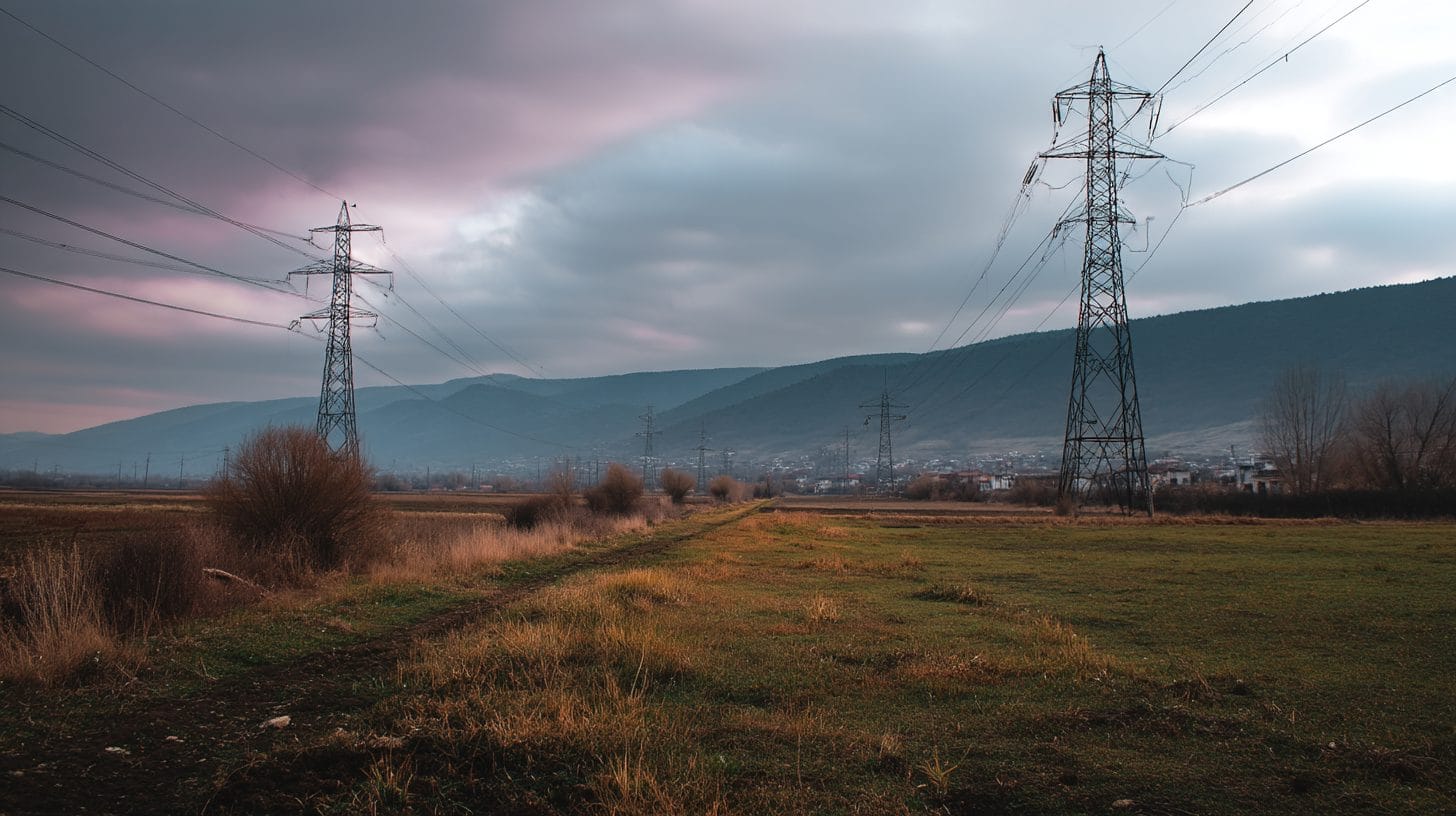
How to Use Data Analytics to Forecast Land Trends on Bucharest’s Ring Road
In recent years, data analytics has emerged as a powerful tool in various sectors, and real estate is no exception. With the rapid growth of urbanization and the complex dynamics of city planning, understanding land trends is crucial for investors, developers, policymakers, and other stakeholders. The Bucharest Ring Road presents a unique case study for utilizing data analytics to forecast land trends effectively. This article will delve deep into how data analytics can be harnessed to anticipate changes and trends along Bucharest’s Ring Road, providing a comprehensive guide for professionals looking to capitalize on this valuable data.
Understanding Bucharest’s Ring Road
Bucharest, the vibrant capital of Romania, has seen significant development in recent years, with the Ring Road serving as a crucial artery for transportation and economic activity. The Ring Road encircles the city, connecting various neighborhoods and municipalities. Its strategic importance has made surrounding areas attractive for real estate development, retail chains, and logistic hubs. The growing interest in this region demands a robust understanding of land trends, and this is where data analytics steps in.
The Role of Data Analytics in Forecasting Land Trends
Data analytics involves collecting, processing, and interpreting large volumes of data to extract valuable insights. By utilizing various data sources, analysts can discern patterns, forecast future developments, and make informed decisions regarding land utilization. Here’s how data analytics can specifically be applied to forecast land trends along Bucharest’s Ring Road:
1. Collecting Relevant Data
The first step in leveraging data analytics is collecting a diverse range of data points that influence land trends. Data can be obtained from public sources, real estate databases, government databases, and satellite imagery. Key data points to consider include:
– Historical land prices: Understanding past pricing can provide context for future growth.
– Development plans: Insights from city planning departments can help identify upcoming projects.
– Population demographics: Knowing the demographic composition of the surrounding area assists in predicting demand for various types of developments.
– Economic indicators: Metrics such as employment rates, business openings, and economic growth can provide predictive insights.
– Traffic patterns: Understanding traffic flow and congestion along the Ring Road can influence commercial land attractiveness and residential appeal.
2. Analyzing the Data
Once the relevant data is collected, the next step is analysis. Analysts can employ several methodologies to interpret the data effectively:
– Descriptive analytics: This form of analysis provides insight into what has happened in the past, helping to identify trends in property prices, development activity, and demographic shifts.
– Predictive analytics: Utilizing statistical models and machine learning techniques, predictive analytics can forecast potential future trends based on historical patterns and current data.
– Geospatial analysis: Geographic Information Systems (GIS) can map trends visually. Through geospatial analysis, stakeholders can identify the best locations for investment based on proximity to transport links, amenities, and customer bases.
3. Identifying Trends
With the gathered data analyzed, the next step is to interpret the findings. Analysts should focus on identifying specific trends that are indicative of land value changes and development potential:
– Growth corridors: Identifying areas along the Ring Road that are experiencing increased development and investment interest can reveal growth corridors worthy of attention.
– Zoning changes: Understanding local government zoning changes and their implications helps predict changes in land usability.
– Market saturation: Analyzing the supply and demand for various land types can highlight whether a particular type of development is oversaturated or underrepresented.
4. Creating Forecast Models
Building on the identified trends, analysts can now develop forecast models tailored to predicting land trends along Bucharest’s Ring Road. The models can integrate various factors, including economic performance, demographic shifts, and historical price trends. Common models include:
– Regression models: These models can quantify relationships between land prices and influencing factors, allowing analysts to predict future price movements based on specific variables.
– Time-series analysis: This technique assesses how trends change over time, making it particularly useful for identifying cyclical market behaviors.
– Scenario planning: It involves forecasting several possible future scenarios based on different assumptions, helping stakeholders prepare for various potential outcomes.
5. Visualizing the Data and Insights
Effective data visualization is crucial for making insights easily digestible. Data analysts can use tools such as dashboards and infographics to present their findings to stakeholders. Key visualizations might include:
– Heat maps indicating areas of high land value growth.
– Bar graphs showcasing price trends over time.
– Flow diagrams to visualize traffic patterns and how they relate to land development.
6. Making Data-Driven Decisions
Armed with the insights from data analytics, stakeholders can make informed, strategic decisions regarding land investments along Bucharest’s Ring Road. This could include:
– Targeting investment in burgeoning neighborhoods identified through analytics.
– Planning for potential risks by understanding market saturation or demographic shifts.
– Collaborating with local government to align investments with upcoming infrastructure projects.
7. Continuously Monitoring Trends
Data analytics is not a one-off task; it requires ongoing effort. Once patterns are established, continual monitoring is crucial to capture shifts and changes in the market. Establishing a clear process for updating the database, refining models, and regularly assessing market conditions ensures stakeholders remain adaptable and responsive to new developments.
Conclusion
The integration of data analytics into the forecasting of land trends on Bucharest’s Ring Road opens up unparalleled opportunities for understanding and navigating the complex real estate landscape. By collecting comprehensive data, employing robust analysis techniques, identifying emerging trends, and making informed decisions, stakeholders can position themselves strategically in a rapidly evolving market. As the area continues to grow and develop, leveraging data analytics will undoubtedly play a pivotal role in shaping the future of land development around Bucharest’s Ring Road. For investors, developers, and policymakers, the time is now to invest in data analytics to elevate their decision-making and capitalize on the transforming landscape of Bucharest.
By following this approach, stakeholders can ensure they remain at the forefront of urban development trends, turning challenges into opportunities and steering Bucharest towards a prosperous future.
Interested in Land Investment in Romania?
We specialize in high-yield land and property opportunities for serious investors.
VIEW OUR CURRENT PORTFOLIOSecure your investment with Land For Investors.

Published: March 21, 2025