

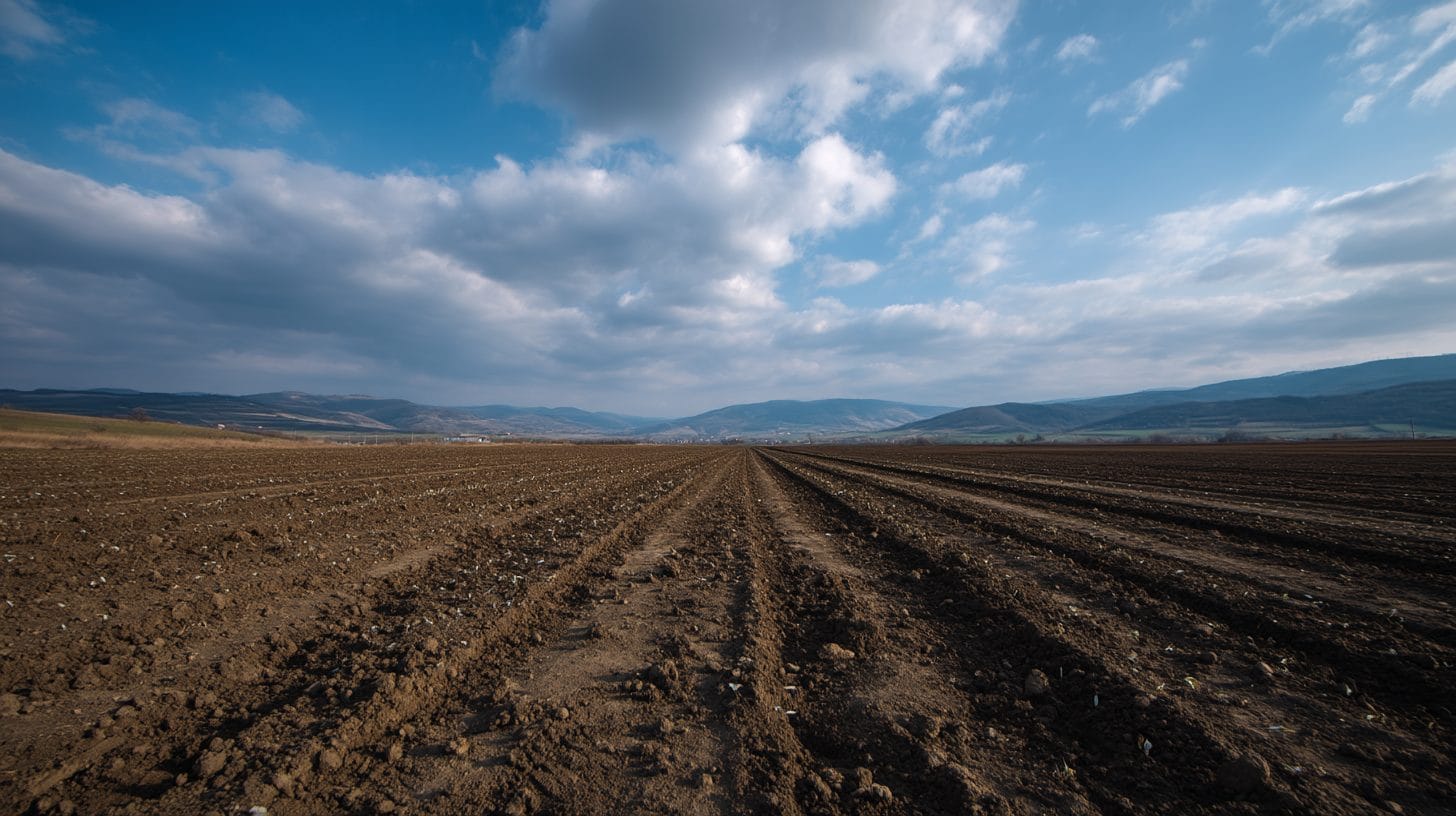
How to Use Comparative Market Data to Price Land in Romania
In the intricate world of real estate, particularly in a dynamic landscape like Romania, understanding how to accurately price land is of paramount importance. Utilizing comparative market data is essential for achieving an equitable valuation that reflects both current market conditions and future potential. This article delves deep into the nuances of employing comparative market data to price land in Romania, illustrating not just the technical details but also the strategic insights that accompany effective real estate valuation.
Understanding Comparative Market Data in Romania
Comparative market data refers to information gathered from recent land sales similar to the property in question, providing essential insights into market trends. In Romania, various factors influence land prices, including location, accessibility, zoning regulations, land size, and proximity to essential services. Leveraging comparative market data allows investors, real estate professionals, and landowners to make informed decisions that align with market expectations.
When assessing comparative market data for land in Romania, it is crucial to focus on a few core elements. These include the type of land being evaluated (agricultural, residential, commercial, or industrial), geographic location including specific regions, surrounding infrastructure developments, and recent sale prices of comparable plots. In the context of Romanian real estate, where urbanization is prominent and areas are rapidly developing, these factors play a critical role in determining land value.
Collecting and Analyzing Comparative Market Data
The first step in pricing land using comparative market data in Romania is to collect pertinent information on recent sales. Multiple resources can be tapped for gathering such data, including real estate websites, government property registries, local real estate agencies, and real estate market reports.
Each of these sources can provide valuable insights. Real estate websites often list not just sale prices but also detailed characteristics of the land, including area, zoning, and amenities, which are instrumental in making comparisons. Local real estate agencies possess firsthand knowledge of the market and can provide context that raw data alone cannot convey. Government registries list past transaction values, which are indispensable for identifying trends.
Once data has been collected, analysis is necessary to distill insights that can help set an appropriate land price. The analysis should focus on several comparative metrics:
1. Sale Price: Compare the sale prices of similar plots to ascertain a range for your land’s value. Consider adjustments for differences in size, location, and property conditions.
2. Price per Square Meter: Calculating the price per square meter of comparable plots allows for an apples-to-apples comparison, vital for land valuation in Romania.
3. Time on Market: Investigate how long similar plots have remained on the market. A shorter time frame could signify a high demand area, whereas a longer duration could indicate overpricing or less desirability.
4. Trends in Appreciation: Investigate historical data on how land prices have trended in various regions of Romania over the past years. This information can provide foresight on how land prices may move in the future.
5. External Factors: Consider macroeconomic conditions, government policies, and infrastructure projects that may affect land pricing in Romania.
Assessing Comparable Properties
Selecting the right comparable properties is crucial for ensuring an accurate valuation. When choosing comparables, prioritize properties that closely match your land in terms of the following characteristics:
1. Location: Proximity to urban centers, major highways, and transportation links can significantly impact land prices. For Romania, assess municipalities like Bucharest, Cluj-Napoca, and Timișoara, which are undergoing rapid development.
2. Zoning Regulations: Ensure that the comparables have similar zoning classifications. Residential, commercial, and agricultural lands all have differing regulatory frameworks and market nuances.
3. Land Features: Consider the physical characteristics of the land, such as topography, soil type, access to water sources, and utilities. These can have a profound impact on not just the immediate value but the long-term usability of the land.
4. Recent Sales Vs. Listed Properties: Focus on recent sales data rather than properties currently listed for sale, as they provide a more accurate reflection of market value. Listings can sometimes reflect inflated prices that are not supported by completed transactions.
Establishing Price Ranges
After an in-depth analysis of the comparative data, establish a price range for your land. This range should not only reflect the average sale prices of the comparable properties but also consider factors that may necessitate a premium or discount for your specific land. For instance, if your land is in a defining urban area with robust growth potential, a pricing premium may be warranted. Conversely, if it carries restrictions or is less accessible than comparables, consider pricing it on the lower end.
Engaging Professionals for Assistance
While a diligent evaluation of comparative market data can yield insightful results, engaging with real estate professionals in Romania can prove invaluable. Real estate agents, appraisers, and land surveyors possess nuanced market knowledge that can enhance your analysis and offer additional layers of understanding regarding local land pricing trends.
Real estate agents can provide real-time insights regarding current market cycles, negotiation strategies, and property trends that can influence your pricing strategy. Appraisers are skilled at applying various valuation methodologies to land assessment and can provide impartial evaluations that validate your pricing strategy.
Lastly, land surveyors can inform you of the physical characteristics and boundaries of the land. Their expertise is critical in recognizing hidden issues that might affect property value, such as encroachments or easements.
Final Thoughts
Pricing land in Romania using comparative market data requires a thorough understanding of both the data collected and the nuances of the geography and economy. Through diligent research, comprehensive analysis, and professional insights, landowners can arrive at a fair and competitive price that reflects current market trends.
By paying close attention to the dynamics at play in specific regions of Romania and leveraging comparative market data effectively, stakeholders can optimize their investment, whether they seek to sell, buy, or develop land. The key lies in the details—meticulously analyzing, comparing, and positioning your land within the larger market context to capture its true value. Thus, employing comparative market data is not merely an exercise in appraisal; it is a strategic framework that, when used correctly, can unlock significant opportunities in Romania’s vibrant real estate market.
Ultimately, the goal should be to ensure that the land is priced not only according to its immediate market characteristics but also in a manner that anticipates future growth and development trends, thereby ensuring a strong return on investment. Whether as a buyer, seller, or developer, understanding and utilizing comparative market data effectively is essential to navigate the complexities of land pricing in Romania efficiently and accurately.
Interested in Land Investment in Romania?
We specialize in high-yield land and property opportunities for serious investors.
VIEW OUR CURRENT PORTFOLIOSecure your investment with Land For Investors.

Published: April 11, 2025