

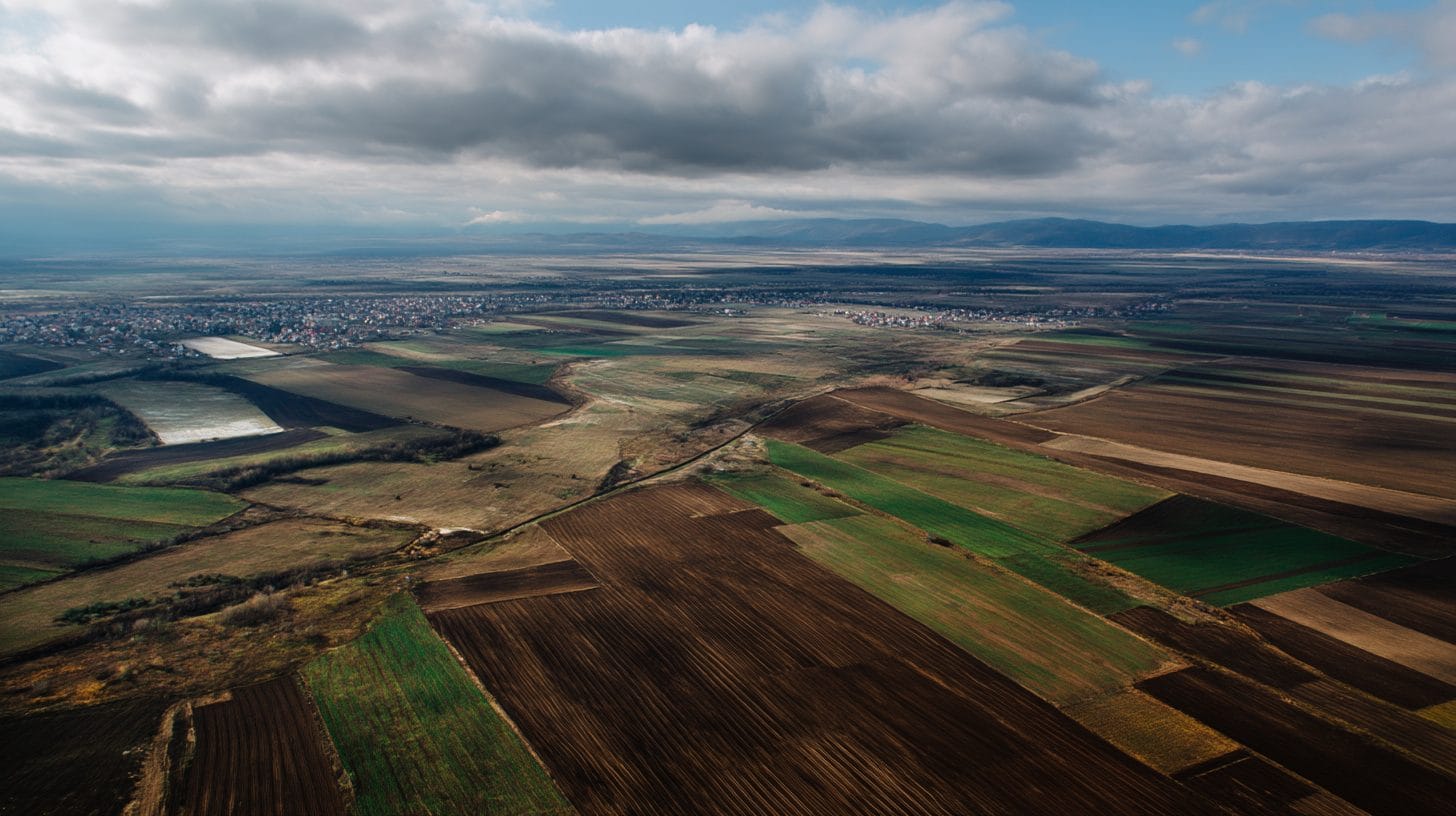
How to Use Comparative Analysis to Price Lands Near Bucharest
When it comes to real estate, particularly land acquisition, one of the most critical steps in determining the value of a property is through comparative analysis. For those looking to buy or sell lands near Bucharest, a thorough understanding of comparative analysis can not only provide insights into fair pricing but also equip investors with the knowledge needed to navigate the ever-evolving real estate landscape of the Romanian capital. This comprehensive guide will explore the various facets of using comparative analysis to price lands near Bucharest effectively, a skill that can significantly enhance your investment strategy.
Understanding Comparative Analysis
Comparative analysis is a method used to evaluate the worth of a property by comparing it to similar properties in the same area that have recently sold or are currently on the market. The essence of this method lies in identifying key characteristics that impact price, such as location, size, zoning, and amenities. For lands near Bucharest, these factors can vary widely, making it vital to conduct a thorough analysis to arrive at a competitive and fair price.
The Importance of Location
In real estate, the adage “location, location, location” rings especially true. Lands near Bucharest can vary significantly in price based on proximity to urban amenities, transportation networks, and overall demand. To begin your comparative analysis, identify the neighborhoods and regions around Bucharest that are in high demand. Factors to consider include accessibility to major roads, public transport facilities, schools, hospitals, and commercial centers. Recognizing neighborhoods that are on the rise or experiencing redevelopment can also provide insight into potential future value increases.
Gathering Data for Comparative Analysis
Once you’ve pinpointed key areas of interest, the next stage involves gathering data on comparable lands. Start by locating properties that share similar characteristics with the land you are evaluating. The following factors should be considered when collecting data:
1. Size: Compare lands that are similar in acreage. Adjustments may need to be made for smaller or larger plots, typically on a price-per-square-meter basis.
2. Zoning and Land Use: Properties zoned for residential, commercial, or mixed-use will have different value metrics. Ensure that the lands being compared have similar zoning classifications.
3. Topography: Features such as slopes, flatness, and drainage can influence land value. Ensure your comparisons take into account the nature of the land’s physical attributes.
4. Utilities and Infrastructure: Lands with access to essential services such as water, electricity, and sewage systems are typically more valuable than those without.
5. Market Conditions: Assess the market conditions at the time of sale for comparable properties. The real estate market can be highly volatile, influenced by factors such as economic cycles, interest rates, and demand fluctuations.
To find relevant data, various online platforms provide real estate listings, recent sales history, and market trends. Websites that cater specifically to the Romanian real estate market can be valuable resources. Local real estate agencies can also be indispensable in sourcing up-to-date information, as they often possess in-depth knowledge about current trends and pricing.
Analyzing Comparable Properties
After gathering a sufficient amount of data on comparable properties, the next step is to analyze them to derive a market value for your land. Begin by creating a comparative market analysis (CMA) report that includes both quantitative data and qualitative insights. This report should outline each comparable property you’ve reviewed, including relevant details such as sale prices, days on the market, and unique attributes that may have impacted pricing.
It’s also important to weigh the differences and similarities between your land and the comparables. For instance, if a comparable property is situated in a highly sought-after neighborhood, it may command a higher price per square meter despite being slightly smaller or lacking certain amenities. The key is to ensure that you adjust your valuations based on these discrepancies.
Utilize Ratios and Metrics
In comparative analysis, specific metrics can help further refine your pricing strategy. One useful measure is the price per square meter, which can be calculated by dividing the sale price of comparable properties by their total land area. This figure allows for a direct comparison between properties of varying sizes.
Another significant ratio is the price-to-income (PTI) ratio, which examines the relative affordability of land based on local average income levels. If the PTI ratio for your area sits above the national average, it may suggest that lands are overpriced, while a lower PTI indicates affordability. This can inform your pricing strategy, ensuring that it aligns with market norms.
Considering Future Developments
When pricing lands near Bucharest, it is essential to consider future developments in the area. Cities often undergo significant transformation due to new infrastructure projects, public transportation expansions, or commercial developments. Collecting information from municipal planning offices or city websites can provide insights into upcoming projects that may affect land values. Investing in land in an area slated for growth can yield substantial returns, but failing to account for these developments could result in overpricing.
Consulting with Professionals
While conducting your comparative analysis is a necessary step, seeking professional advice can bolster your position. Real estate agents, appraisers, or property consultants who specialize in the Bucharest area can provide valuable insights as well as resources you may not have access to. Their expertise can complement your analysis, offering opinions on market dynamics, local trends, and pricing strategies based on years of experience.
Making the Final Price Decision
After conducting a thorough comparative analysis and gathering all relevant data, you will find yourself in a position to make an informed pricing decision. Establish a price range based on your findings and consider both your financial goals and the current market conditions. If you are selling land, being adaptable to negotiations and keeping an eye on market trends can help in securing the best sale. If you are buying, aim to fall within the market range established through your analysis while being mindful of the potential for future appreciation in value.
Conclusion
Utilizing comparative analysis is a foundational skill for anyone involved in pricing lands near Bucharest. By understanding the intricacies of location, gathering comprehensive data, analyzing comparable properties, and remaining informed about emerging market trends, you can make educated decisions that align with your investment strategy. Whether you are an investor, seller, or buyer, mastering comparative analysis can not only improve your pricing techniques but also help leverage opportunities to maximize returns in the competitive real estate environment of Bucharest. The application of these principles can lead to prudent decision-making and ultimately successful transactions, securing your place in the vibrant Romanian real estate market.
Interested in Land Investment in Romania?
We specialize in high-yield land and property opportunities for serious investors.
VIEW OUR CURRENT PORTFOLIOSecure your investment with Land For Investors.

Published: April 17, 2025