

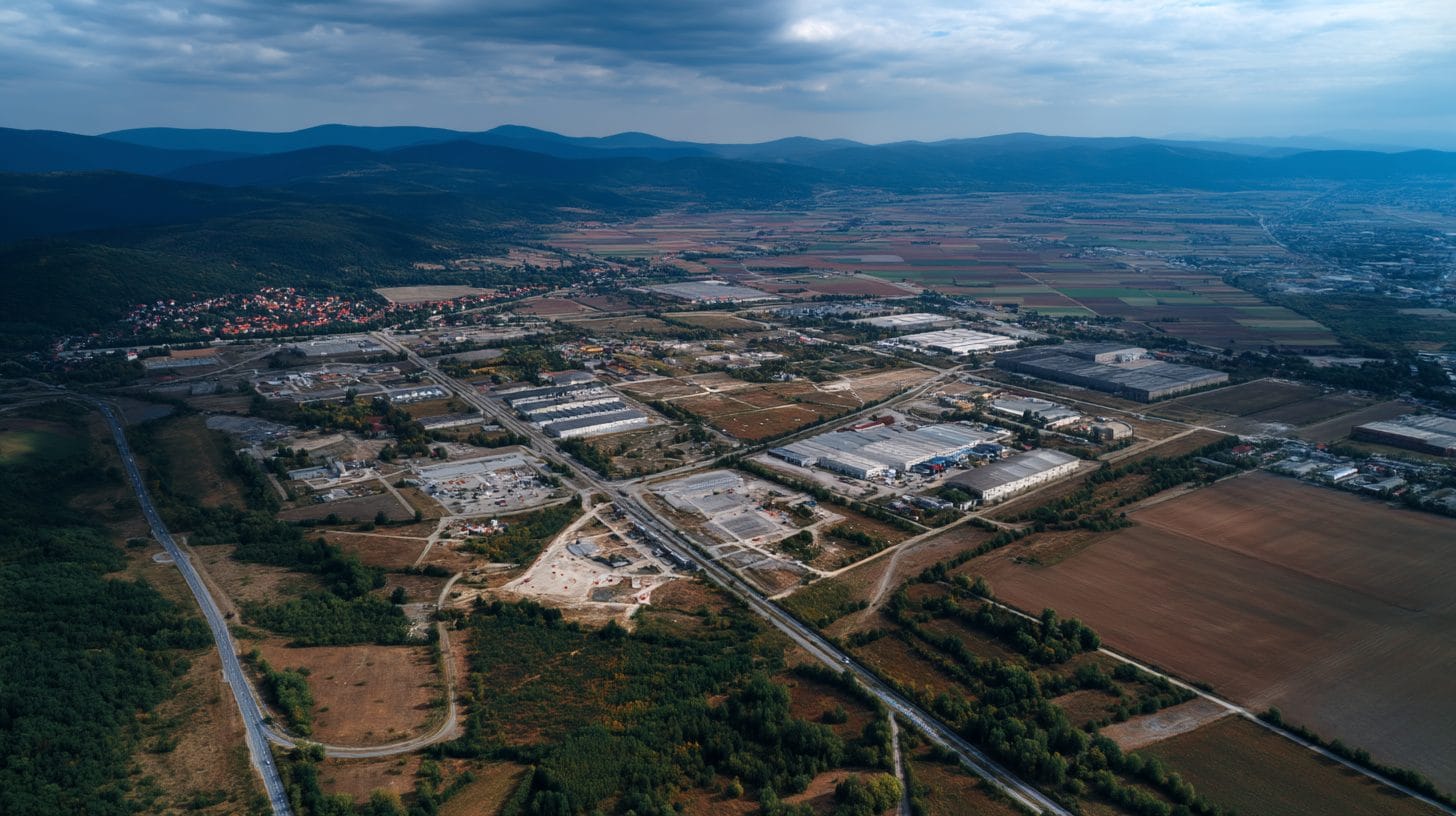
How to Spot Future Hotspots in the Bucharest Real Estate Market
In the ever-evolving landscape of real estate, understanding where future hotspots may emerge is critical for investors, homebuyers, and industry professionals alike. The capital city of Romania, Bucharest, has become an increasingly attractive destination for real estate investment due to its dynamic economy, rich history, and vibrant culture. As the city continues to develop, identifying future hotspots in the Bucharest real estate market can help stakeholders make informed decisions. This article aims to provide an in-depth analysis of key indicators that signal potential growth areas in Bucharest’s real estate market.
Economic Indicators and Growth Potential
One of the primary factors to consider when spotting future hotspots in the Bucharest real estate market is the economic environment. Bucharest has experienced steady economic growth, driven by a diversified economy that includes information technology, finance, retail, and manufacturing sectors. Monitoring the performance of these industries can provide insights into areas poised for real estate development.
The unemployment rate, gross domestic product (GDP) growth, and average income levels also play a crucial role in determining future hotspots. Areas experiencing an influx of jobs and residents are likely to see increased demand for housing. Data on new businesses opening in various districts can also be telling; emerging hubs of employment typically contribute to rising property values and demand for residential units.
Urban Development and Infrastructure Projects
Another significant indication of future hotspots in Bucharest real estate is urban development and infrastructure projects. The city is undergoing substantial transformation, with investments in transportation, public services, and urban renewal initiatives. Areas with planned infrastructure developments, such as new metro lines, highways, or light rail systems, are likely to see a surge in real estate activity.
Investors should keep an eye on announcements from local government and municipal authorities regarding future urban development projects. Areas undergoing revitalization or significant infrastructure upgrades are expected to attract both local inhabitants and businesses, ultimately increasing demand for residential and commercial properties alike.
Demographics and Population Growth
In addition to economic indicators and infrastructure analysis, understanding demographic trends helps identify future hotspots in the Bucharest real estate market. Bucharest’s population has been steadily increasing due to movements from rural areas to urban centers and international migration. This demographic shift creates a demand for new homes, especially in city areas that cater to younger professionals and families.
Key demographic indicators to observe include age distribution, family size, and average household income. Areas that attract younger demographics through vibrant amenities, schools, parks, and entertainment options will likely experience increased demand for housing. Spotting emerging trends in these demographics can offer valuable insights into which neighborhoods may become the next real estate hotspots.
Social and Cultural Spaces
The presence of social and cultural spaces plays a vital role in identifying future hotspots in the Bucharest real estate market. Neighborhoods rich in cultural assets such as art galleries, theaters, shopping venues, and restaurants are often marked as desirable locations for potential homebuyers and renters. As interest in urban living increases, areas that offer vibrant social and cultural experiences tend to attract more residents.
Monitoring changes in zoning laws, the development of community spaces, and urban planning focusing on enhancing public amenities can reveal promising areas for future real estate investment. Regions undergoing revitalization, where cultural or recreational activities are encouraged, derive long-term benefits in attracting residents and stimulating the local economy.
Emerging Neighborhoods and Gentrification
Recognizing trends in emerging neighborhoods can be particularly useful for spotting future hotspots in the Bucharest real estate market. Gentrification is an essential factor contributing to shifts in property values and neighborhood desirability. Areas previously overlooked by investors may experience a wave of renovations, new businesses, and affluent residents, driving up demand for real estate.
Identifying neighborhood trends, including rising property values, increased rental demand, and growing demographics, can provide investors with insights into potential hotspots. On-the-ground observations, such as renovations of historic buildings or the growth of local businesses, can help assess which neighborhoods are on the cusp of significant transformation.
Technological Impact on Real Estate
The integration of technology in real estate cannot be overlooked when it comes to identifying future hotspots. The surge in proptech (property technology) innovations has transformed the way property is bought, sold, and rented. Automation, virtual tours, online listings, and data analytics streamline processes, increasing the accessibility of property investments in previously overlooked areas.
Areas that embrace technology and smart city solutions, such as enhanced connectivity, improved public services, and sustainable developments, often gain a competitive edge and attract a tech-savvy demographic. Investors should monitor technological advancements and market adaptability; neighborhoods that leverage technology for better living conditions are likely to flourish.
Market Trends and Investment Activity
Finally, staying updated on the overall market trends and investment activity is essential for spotting future hotspots in the Bucharest real estate market. Analyzing property sales data, rental yields, and investor interest can provide a clearer picture of which areas are gaining traction. Keeping tabs on real estate developers entering the market and the types of projects they undertake is also critical.
Networking with local real estate professionals, attending industry conferences, and participating in market analysis forums can provide additional insights into emerging trends. Investors should harness these resources to stay ahead of market movements and adjust their investment strategies accordingly.
Conclusion
In summary, identifying future hotspots in the Bucharest real estate market requires a keen understanding of economic indicators, urban development, demographic changes, social and cultural dynamics, emerging neighborhoods, technological innovations, and overall market trends. By piecing together these various elements, stakeholders can make informed decisions that maximize their return on investment. Bucharest presents a myriad of opportunities for those willing to conduct thorough research and stay ahead of emerging trends. As the city continues to grow and evolve, spotting future hotspots will remain a crucial skill for navigating the Bucharest real estate landscape effectively.
Interested in Land Investment in Romania?
We specialize in high-yield land and property opportunities for serious investors.
VIEW OUR CURRENT PORTFOLIOSecure your investment with Land For Investors.

Published: February 19, 2025